Getting a good night’s rest on your period can feel tricky, but you can absolutely sleep comfortably and wake up without leaks. Reliable protection, like high-absorbency pads or period underwear, makes a big difference.
Did you know that over half of women with PMS or cramps struggle with sleep during menstruation? Common culprits for nighttime leaks include using the wrong protection or sleeping in certain positions. Switching to fresh protection before bed and choosing comfy sleepwear helps you relax and rest easy.
About 57% of women with PMS report sleep issues.
Between 43% and 63% of those with cramps have disturbed sleep.
Key Takeaways
Use fresh, high-absorbency pads or period underwear before bed to prevent leaks and stay comfortable all night.
Sleep on your side or back with pillows for support to reduce cramps and keep menstrual products in place.
Choose breathable fabrics like cotton or bamboo for sleepwear to stay dry and avoid irritation during your period.
Layer your protection by combining pads with leakproof underwear for extra security on heavy flow nights.
Follow safety guidelines by changing tampons every 4 to 8 hours and using pads or period underwear overnight to reduce health risks.
Sleep During Menstruation
Hormonal Effects on Sleep
You might notice that sleep during menstruation feels different from the rest of the month. Hormonal changes play a big role in how well you sleep during your period. Your body’s natural rhythms shift as hormone levels rise and fall. This can make it harder to fall asleep or stay asleep, especially in the days leading up to your period.
Many people report more trouble with sleep during menstruation, especially during the late luteal (premenstrual) and early follicular (menstrual) phases.
If you have PMS, PMDD, or irregular cycles, you may notice even more sleep disturbances.
As you get older, you might find that sleep during menstruation becomes more challenging.
Changes in hormones like progesterone can increase your body temperature and heart rate, which can lead to lighter sleep and less REM sleep.
You may wake up more often or feel sleepier during the day.
Did you know? Women with PMS often say they have more awakenings and feel more tired during the day, especially right before their period.
Here’s a quick look at how different menstrual factors affect sleep:
Menstrual Factor | Associated Sleep Disturbance | Odds Ratio (OR) | 95% Confidence Interval (CI) |
|---|---|---|---|
Irregular periods | Insomnia symptoms | 1.46 | 1.06–2.02 |
Period pain (dysmenorrhea) | Insomnia symptoms | 1.99 | 1.44–2.76 |
Menstrual flow ≥7 days | Insomnia symptoms | 1.21 | 1.00–1.48 |
Irregular periods | Poor sleep quality | 1.72 | 1.30–2.27 |
Period pain | Poor sleep quality | 1.78 | 1.34–2.37 |
Early menarche (≤11 years) | Insomnia symptoms | 1.62 | 1.05–2.50 |
Nighttime Pain and Anxiety
Pain and anxiety can make sleep during menstruation even tougher. Cramps, headaches, and breast tenderness often show up at night, making it hard to relax. You might toss and turn, or wake up more often than usual. Stress and anxiety can also spike during your period, which can keep your mind racing when you want to rest.
Menstrual pain can cause trouble falling asleep and more nighttime awakenings.
Anxiety and stress during your period can lower your sleep quality and make it harder to get back to sleep if you wake up.
The luteal phase, right before your period, is linked to less REM sleep and more fragmented sleep.
If you have PMS or PMDD, you may notice more mood swings and sleep problems.
You are not alone if you struggle with sleep during menstruation. Many people experience insomnia, poor sleep quality, and shorter sleep times during their period.
These changes can leave you feeling tired and cranky the next day. Knowing what’s happening in your body can help you find ways to sleep better and feel more rested.
How to Sleep on Your Period?
Getting comfortable at night can feel like a challenge when you’re on your period. You might worry about leaks or cramps keeping you awake. Let’s talk about how to sleep on your period so you wake up feeling refreshed and confident.
Best Sleep Positions
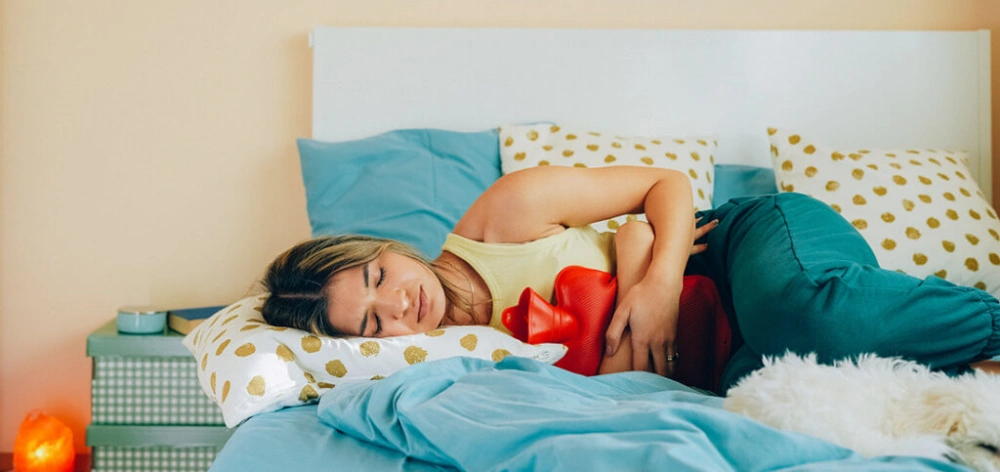
Choosing the right sleep position makes a huge difference for comfort and leak prevention. Gynecologists often recommend sleeping on your side or back. These positions help reduce the risk of leaks and can make you feel more relaxed.
If you sleep on your side, try to keep your legs straight instead of curling up too tightly. This helps prevent fluid from pooling and keeps your menstrual products in place.
Back sleeping works well, especially if you place a pillow under your knees. This slight elevation directs menstrual flow toward your pad or period underwear, giving you extra protection.
Stomach sleeping isn’t the best choice during your period. It puts pressure on your uterus, which can make cramps worse and increase the chance of leaks.
Tip: If you usually sleep on your stomach, try switching to your side with a supportive pillow. You’ll notice less pressure and better comfort.
Here’s a quick table to compare sleep positions for leak prevention:
Sleep Position | Leak Risk | Comfort Level | Extra Tips |
|---|---|---|---|
Side (legs straight) | Low | High | Use pillow between knees |
Back (pillow under knees) | Medium | High | Elevate legs slightly |
Fetal Position | Low | High | Tuck legs gently, relax muscles |
Stomach | High | Low | Avoid during menstruation |
Fetal Position Benefits
You might have heard that curling up in the fetal position helps with cramps. Many people find relief by lying on their side with their legs tucked toward their chest. This position relaxes your abdominal muscles and can ease menstrual pain.
The fetal position slows menstrual flow and keeps your pad or period underwear in place, which means fewer leaks.
You’ll feel less pressure on your lower abdomen, making it easier to fall asleep and stay asleep.
Some studies and lots of personal stories say this position helps reduce the severity of cramps.
Note: If you’re wondering how to sleep on your period with less pain, try the fetal position. It’s simple, cozy, and can make a big difference.
Cushion Support
Adding cushions or pillows to your sleep setup can boost your comfort and help prevent leaks. You don’t need fancy gear—just a few well-placed pillows.
Place a pillow between your knees when side sleeping. This keeps your hips aligned and reduces pressure on your lower back.
If you sleep on your back, put a pillow under your knees. This lifts your lower body and directs menstrual flow toward your protection.
Supportive pillows help you stay in one position, which means your pad or period underwear stays in place all night.
Pro tip: Use period underwear or high-absorbency pads for extra leak protection. Change your menstrual products right before bed and position them correctly in your underwear. You’ll sleep better and worry less about leaks.
Sleeping on your period doesn’t have to be stressful. With the right position and a little cushion support, you can rest easy and wake up feeling your best.
What to Wear to Bed on Your Period?
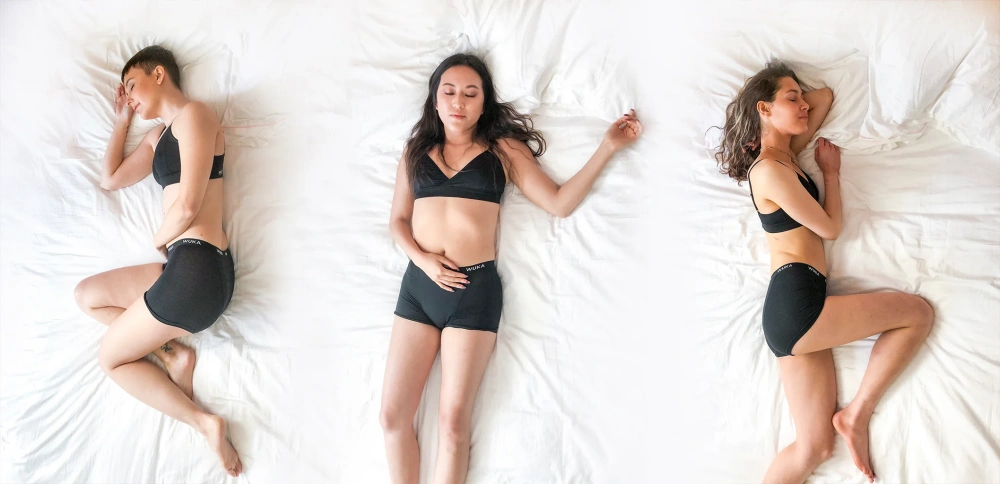
Choosing the right sleepwear can make a huge difference in how you feel at night during your period. You want to wake up feeling fresh, dry, and confident. Let’s break down what to wear to bed on your period so you can rest easy and avoid leaks.
Choosing Breathable Fabrics
When you pick sleepwear for your period, always look for fabrics that let your skin breathe. You want to wear something comfortable and breathable, especially if you tend to get hot or sweaty at night. Breathable fabrics help wick away moisture, keeping you dry and reducing the risk of irritation.
Cotton, especially organic cotton, feels soft against your skin and pulls moisture away, making it a top choice for period nights.
Polyurethane laminate (PUL) adds a thin, waterproof layer that still lets air flow, so you stay protected without feeling stuffy.
Synthetic fleeces like microfleece or Polartec offer water resistance and breathability, which is great for extra leak protection.
Wool absorbs moisture and resists leaks, while still letting your skin breathe.
Many period pyjamas and underwear use a mix of these fabrics. You’ll often find a soft cotton layer next to your skin, an absorbent core made from microfiber or merino wool, and a thin waterproof lining like PUL.
Some even have antimicrobial treatments to keep things fresh. This layered approach keeps you dry, comfortable, and protected all night.
Tip: Eco-friendly fabrics like organic cotton and bamboo not only feel good but also help the planet. They use less water, avoid harsh chemicals, and support better farming practices.
High Waisted Underwear for Women by Friendtex
If you want reliable protection and comfort, high-waisted underwear for women by Friendtex is a fantastic option for what to wear to bed on your period. Friendtex specializes in premium, customizable underwear that fits your body and your needs.
Here’s why you might love Friendtex high-waisted underwear:
Soft, breathable microfiber fabric keeps you cool and wicks away moisture, so you stay comfortable all night.
The high-rise waistband gives you full coverage and gentle support, which helps prevent leaks and keeps everything in place.
Built-in absorbent layers add an extra level of protection, so you can sleep without worry.
Customization options let you choose features like adhesive-friendly inner layers or pad-gripping textures, making sure your pad stays put.
You can pick from a range of styles—briefs, bikinis, thongs, and more—to match your favorite pyjamas or sleepwear.
Friendtex uses eco-friendly materials like organic cotton and bamboo, so you get comfort and sustainability in one package.
Note: Friendtex high-waisted underwear is designed for all body types, with sizes from petite to plus. The seamless design means you won’t see any lines under your pyjamas, and the stretchy fabric moves with you as you sleep.
Layering for Leak Protection
Sometimes, you need a little extra backup—especially on heavy flow nights. Layering your period protection can give you peace of mind and help you avoid those annoying midnight sheet changes.
Start with a high-absorbency pad or tampon for your main protection.
Add leakproof period underwear, like Friendtex high-waisted styles, as a backup layer. This catches any overflow and keeps your pyjamas safe.
If you use a menstrual cup, you can still wear period underwear for extra security.
Choose overnight pads or “super” tampons if you know your flow will be heavier.
Layering increases absorbency and gives you double protection, which is perfect if you can’t get up to change products during the night. You’ll sleep better knowing you have a safety net in place.
Pro tip: Pick pyjamas that fit loosely and allow for easy movement. This helps your protection stay in place and keeps you comfortable all night.
Here’s a quick table to help you decide what to wear to bed on your period for maximum comfort and protection:
Layer | Purpose | Best Fabric Choices |
|---|---|---|
High-waisted underwear | Leak prevention & support | Microfiber, organic cotton |
Main protection | Absorbency (pad/tampon/cup) | Cotton, bamboo, PUL |
Pyjamas | Comfort & breathability | Cotton, bamboo, and modal |
Choosing the right combination of breathable fabrics, supportive underwear, and smart layering means you can sleep soundly—even on your heaviest nights. You’ll wake up feeling refreshed, protected, and ready to take on the day.
Preventing Leaks
Changing Protection Before Bed
You want to prevent period leaks while sleeping, so changing your protection right before bed is a smart move. Fresh protection gives you maximum absorbency and helps you stay dry all night.
Pads work best when you use them at their full absorbency, so swap out your pad or period underwear just before you get under the covers. If your flow is heavy, pick a longer, wider pad with wings.
These pads cover more area and stay in place, which means fewer leaks and less worry. You can also change your pad more often during the day to keep things clean and comfortable.
Tip: Always check your protection before you go to sleep. A quick change can make a big difference in how you feel in the morning.
Using Night-Time Products
Night-time period products are designed for extra absorbency and longer wear. You can find pads made just for overnight use. These pads are longer and wider, so they catch leaks even if you move around in your sleep. Some people prefer period underwear with built-in absorbency for overnight protection.
These products let you sleep without worrying about leaks or discomfort. If you use tampons or menstrual cups, make sure they are safe for overnight use and check the guidelines for how long you can wear them.
Product Type | Absorbency Level | Best For |
|---|---|---|
Overnight pads | High | Heavy flow, back sleepers |
Period underwear | Medium-High | All sleep positions |
Menstrual cups | Medium | Light to medium flow |
Combining Period Products
Layering your protection is a great way to prevent period leaks while sleeping. You can use a pad with period underwear for double absorbency. If you use a menstrual cup, add leakproof underwear for backup.
Friendtex high-waisted underwear helps keep pads in place and offers extra coverage. The high waistband holds your pad securely, so you don’t have to adjust it during the night. The stretchy fabric fits your body and supports your protection, making leaks less likely. You get comfort, coverage, and peace of mind.
High-waisted underwear gives you full coverage and pad stability.
The design prevents movement, so your protection stays put.
You can use larger pads for better overnight absorbency.
The fabric adapts to your body and keeps you comfortable.
Note: Friendtex high-waisted underwear is a smart choice if you want extra support and leak protection. You can sleep soundly knowing your protection will stay in place.
Product Safety at Night
Tampon Guidelines
If you use tampons, you need to know how to stay safe at night. Health experts say you should change your tampon every 4 to 8 hours.
Sleeping with a tampon for longer than 8 hours can raise your risk of toxic shock syndrome (TSS), a rare but serious infection. Some studies even suggest not wearing a tampon for more than 6 hours at a time, especially overnight.
Tip: Always read and follow the instructions that come with your tampons. Using the lowest absorbency you need helps lower your risk of TSS and irritation.
Here are some key points to remember:
Never wear a tampon for more than 8 hours, even if you have a heavy flow.
Super or Super Plus tampons are made for heavy or overnight use, but you still need to change them on time.
Pads or period underwear are safer choices for overnight protection because they carry a much lower risk of TSS.
Tampons that are too absorbent can cause dryness or irritation.
If you know you’ll sleep longer than 6-8 hours, switch to a pad or high-waisted period underwear before bed. This simple change can help you sleep safely and comfortably.
Menstrual Cup Safety
Menstrual cups are a popular choice for overnight use. Most brands, like DivaCup, say you can wear a cup for up to 12 hours. That means you can sleep through the night without worrying about leaks or having to get up to change your protection.
Here’s how to use a menstrual cup safely at night:
Empty and rinse your cup before you go to bed.
Make sure the cup is inserted properly to create a good seal.
Don’t wear the cup for more than 12 hours at a time.
After 12 hours, remove, wash, and sanitize your cup as directed by the manufacturer.
Note: For extra peace of mind, wear a pad or period underwear as backup, especially if you’re new to using a cup or have a heavy flow.
Using backup protection, like Friendtex high-waisted underwear, can help catch any leaks and keep your bedding safe. Mattress protectors are also a smart idea if you want extra security. With the right habits, you can sleep soundly and wake up feeling fresh.
Sleep Better During Your Period
Getting a good night’s rest can feel tough when cramps or discomfort keep you awake. You can sleep better during your period by using a few simple strategies that help manage pain and promote relaxation.
Pain Relief Methods
You might reach for pain relief medication when cramps hit at night. Over-the-counter options like ibuprofen or naproxen often work well for many people. These medications target inflammation and can ease period pain so you can fall asleep faster.
Some people wonder if melatonin helps with cramps, but a clinical trial found that taking 10 mg of melatonin at bedtime did not provide better pain relief than a placebo. If you want to sleep better during your period, stick with proven pain relievers and talk to your doctor if cramps keep you up often.
Tip: Take pain medication before bed if you know cramps usually start at night. This can help you stay ahead of the pain and rest more comfortably.
Heat Therapy
Heat therapy is a favorite for many people who want to sleep better during their period. Placing a warm heating pad or hot water bottle on your lower belly can relax muscles and ease cramps. Studies show that heat therapy not only reduces pain but also improves mood and lowers fatigue.
Many women report that heat works faster than some pain medications. You can use a microwavable heat pack, an electric heating pad, or even a warm towel. Most people find heat therapy safe and easy to use, with only mild skin reactions reported in rare cases.
Heat therapy can:
Reduce pain intensity quickly
Improve your mood and energy
Help you relax before bed
Try using heat for 15-20 minutes before you go to sleep. You might notice you drift off more easily and wake up feeling more refreshed.
Herbal Remedies
Herbal teas can be a gentle way to help you sleep better during your period. Chamomile tea stands out as a popular choice. While it may not directly stop cramps, chamomile acts as a mild sedative and helps you relax.
Research shows that chamomile can improve sleep quality, especially for women dealing with hormonal changes. Many people say a warm cup of tea before bed helps them unwind and feel less fatigued during their period.
The calming effect comes from a natural compound called apigenin, which helps your brain settle down for sleep.
Note: If you want to try herbal remedies, start with chamomile tea in the evening. It’s safe for most people and can become a soothing part of your bedtime routine.
By combining pain relief, heat therapy, and herbal teas, you can sleep better during your period and wake up ready to take on the day.
Cleaning Up Leaks
Stain Removal Methods
Period leaks happen to everyone, but you can tackle stains with the right approach. The key is to act fast and use cold water. Hot water can set blood stains, making them much harder to remove.
Here’s a simple step-by-step guide for most fabrics:
Rinse the stain with cold water as soon as you notice it. Hold the fabric under running water and let the water flow through the stain.
Gently blot the area with a clean, white cloth. Don’t rub—this can spread the stain or damage delicate fibers.
Apply a mild detergent or a stain remover made for protein stains. Let it sit for a few minutes.
Soak the fabric in cold water for 15–30 minutes if the stain is stubborn.
Rinse thoroughly and check if the stain is gone before drying. Repeat if needed.
For delicate fabrics like silk, you need to be extra gentle:
Blot the stain instead of rubbing.
Use only a mild detergent safe for silk.
Avoid harsh chemicals or regular stain removers.
Air dry flat, away from sunlight.
Tip: If a stain won’t budge from silk or another delicate fabric, consider taking it to a professional cleaner.
Caring for Fabrics
Taking care of your period underwear and sleepwear helps them last longer and keeps them comfy. Friendtex high-waisted underwear is easy to care for if you follow a few simple steps:
Wash your underwear in cold or cool water to protect the fabric and prevent shrinkage.
Use a gentle detergent made for delicate fabrics.
Skip fabric softeners—they can break down fibers and reduce absorbency.
Place underwear in a mesh lingerie bag if you use a washing machine.
Choose a gentle or delicate wash cycle.
For delicate items, hand wash by soaking for 15–30 minutes, then gently agitate and rinse.
Squeeze out excess water without twisting or wringing.
Air dry flat or on a rack, away from direct sunlight and heat.
Avoid machine drying to keep the elastic and shape in top condition.
Proper care keeps your Friendtex underwear soft, absorbent, and ready for many cozy nights ahead.
Conclusion
You can sleep well on your period when you use the right products and follow smart safety tips. Friendtex high-waisted underwear gives you comfort and extra leak protection. Regularly changing pads or tampons, picking the right absorbency, and keeping good hygiene all help lower your risk of leaks and discomfort.
Surveys show that better education and access to menstrual-friendly products boost your confidence and make nights easier. With these strategies, you wake up feeling fresh and ready for the day.
FAQ
How can I stop leaks at night during my period?
Change your pad or period underwear right before bed. Try high-waisted underwear for extra coverage. Sleep on your side or in the fetal position. You can also layer products for more protection.
What’s the best fabric for period sleepwear?
Go for breathable fabrics like cotton, bamboo, or modal. These keep you cool and comfortable. Friendtex offers eco-friendly options that feel soft and help prevent irritation.
Can I wear tampons overnight?
You should not wear a tampon for more than 8 hours. If you sleep longer, switch to a pad or period underwear before bed. This keeps you safe and lowers your risk of infection.
How do I wash period underwear?
Rinse your underwear in cold water first. Use a gentle detergent and skip fabric softener. Air dry or tumble dry on low. This keeps your underwear soft and long-lasting.
Is high-waisted underwear good for heavy flow?
Yes! High-waisted underwear gives you more coverage and helps keep pads in place. Friendtex styles offer a secure fit and extra support, so you can sleep without worrying about leaks.