When considering microfiber vs polyester for everyday use, you’re looking for comfort, durability, and easy care. Microfiber is found everywhere—underwear, robes, bedding, and towels—because it’s incredibly soft, dries quickly, and stays fresh.
Polyester, on the other hand, is a staple in pajamas, robes, and activewear, offering lightweight, wrinkle-resistant clothing that stands the test of time. In the microfiber vs polyester debate, many people choose microfiber for its breathability and moisture-wicking abilities, while polyester is favored for its affordability and low-maintenance care.
Friendtex produces premium microfiber and polyester products, giving you reliable choices that suit your lifestyle. Both fabrics are top picks for home goods, apparel, and even technical gear, thanks to their outstanding performance and value.
Key Takeaways
Microfiber offers superior softness and breathability, making it ideal for underwear and bedding.
Polyester is durable and wrinkle-resistant, perfect for low-maintenance clothing and home textiles.
Both fabrics excel in moisture-wicking, helping you stay cool and dry during hot weather or workouts.
Friendtex provides high-quality options in both materials, allowing for customization to fit your style.
Consider your personal comfort and care preferences when choosing between microfiber and polyester.
Microfiber vs Polyester Overview
When you look at the world of fabrics, you’ll notice microfiber and polyester everywhere. These two materials show up in your home, your closet, and even your gym bag.
Both have unique qualities that make them favorites for everyday use. Friendtex knows how to bring out the best in each material, offering you high-quality microfiber sheets, polyester sheets, underwear, robes, and more.
Let’s break down where you’ll find each material most often:
Material | Common Products | Key Uses |
|---|---|---|
Microfiber | Bed sheets, pillow covers, towels, and cleaning cloths | Softness and absorbency for comfort and cleaning |
Polyester | Clothing, upholstery, bedding | Durability and versatility for various applications |
What is Microfiber?
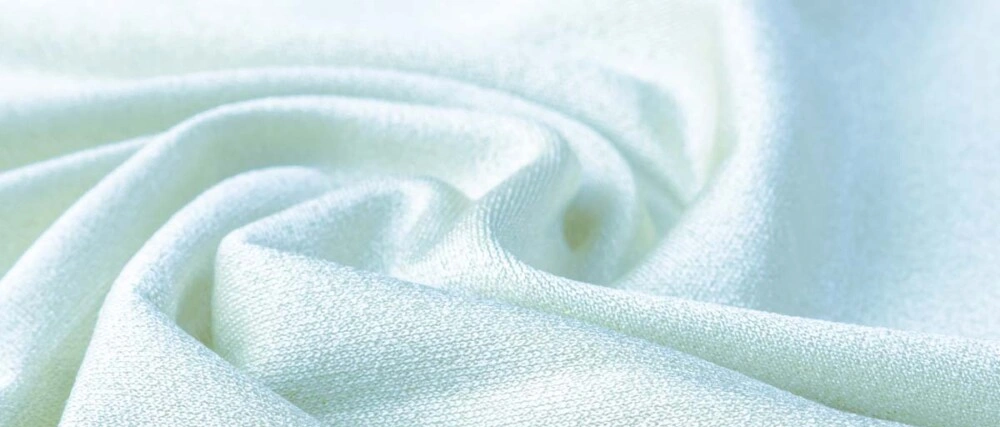
Microfiber is a synthetic fiber that’s much finer than a strand of human hair. Most microfiber comes from polyester or polyamide. You’ll notice how soft and smooth microfiber sheets feel. This material is lightweight, wrinkle-resistant, and dries quickly.
You’ll find microfiber in products like bed sheets, pillow covers, towels, and cleaning cloths. People love microfiber for its plush feel and high absorbency. It’s also popular in underwear and robes because it keeps you comfortable and dry all day.
Friendtex uses advanced technology to create microfiber garments that are soft, durable, and easy to care for.
Microfiber sheets are a top pick for bedrooms because they feel luxurious and stay fresh.
Microfiber’s fine fibers make it perfect for cleaning, as they trap dust and dirt easily.
You’ll also see microfiber in sportswear and accessories, thanks to its moisture-wicking abilities.
What is Polyester?

Polyester is another synthetic material that stands out for its strength and versatility. You’ll find polyester in clothing, upholstery, and bedding. Polyester sheets are known for their durability and wrinkle resistance. This material resists shrinking, fading, and stretching, so your clothes and linens last longer.
Polyester is easy to wash and dries fast, making it a practical choice for busy lifestyles. Friendtex crafts polyester pajamas, robes, and underwear that combine comfort with long-lasting quality.
Polyester holds color well, so your garments stay bright after many washes.
It’s strong and resists creasing, which means less ironing for you.
Polyester blends easily with other fibers, giving you more options for style and comfort.
When you compare microfiber vs polyester, you’ll see that both materials offer great benefits for everyday use. Friendtex’s expertise ensures you get the best of both worlds, whether you want the plush comfort of microfiber sheets or the reliable durability of polyester sheets.
Comfort and Feel
Microfiber Underwear by Friendtex
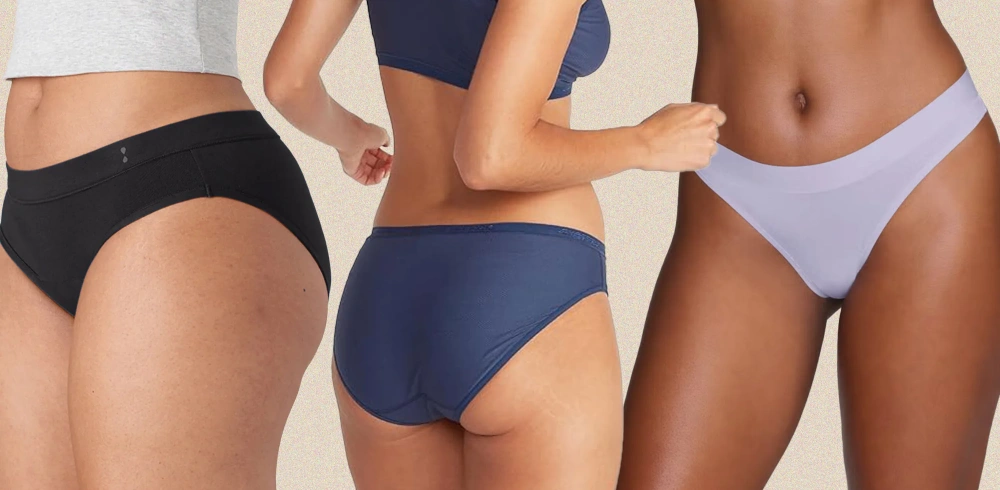
When you slip into microfiber underwear from Friendtex, you notice the difference right away. The fabric feels incredibly soft against your skin. Many people say that microfiber comforter products offer a plush, almost cloud-like sensation. You get a lightweight fit that moves with you, so you never feel restricted.
Microfiber is often described as softer and more luxurious compared to standard polyester.
Users who prioritize softness and durability tend to favor microfiber.
Microfiber comforter options are popular for their gentle touch and smooth finish.
You can wear microfiber underwear all day and still feel fresh, thanks to its moisture-wicking abilities.
Microfiber comforter products also resist wrinkles, so they always look and feel great.
Microfiber typically offers a softer, more luxurious feel compared to standard polyester.
If you want underwear that keeps you cool and dry, microfiber is a smart choice. Friendtex designs each piece to maximize comfort and flexibility. You can even find microfiber comforter robes that wrap you in softness after a shower or before bed.
Polyester Pajamas and Robes by Friendtex
Polyester pajamas and robes from Friendtex give you a different kind of comfort. The fabric feels smooth and lightweight, making it easy to relax at home. Polyester comforter sets are known for their practicality. You can toss them in the wash, and they come out looking fresh every time.
Polyester stands out for its breathability and easy care. Many shoppers like polyester because it fits their budget and lasts a long time. You can choose from a wide range of styles and colors, so there’s something for everyone. Polyester comforter robes keep their shape and color, even after many washes.
If you want sleepwear that’s simple to care for and always ready to wear, polyester pajamas and robes are a great pick. Friendtex makes sure each piece feels soft and looks stylish, so you can unwind in total comfort.
Durability and Maintenance
Microfiber vs Polyester Longevity
When you want your clothes and home textiles to last, you need to look at both the durability and the quality of the fabric. Microfiber and polyester both stand out for their long-lasting performance. You might wonder how these fabrics hold up over time. Let’s look at some common tests used to measure their strength:
Test Type | Description |
|---|---|
Abrasion testing | Checks how well the fabric resists wear from rubbing. |
Tear strength test | Measures the force needed to tear the fabric. |
Tensile strength test | Look at how much pulling the fabric can handle before breaking. |
Friendtex uses these tests to make sure every product meets high standards. When you choose microfiber or polyester from Friendtex, you get products that keep their shape, color, and softness even after many washes. Here’s a quick look at how long these fabrics last:
Fabric Type | Average Lifespan (Wash Cycles) | Durability Highlights |
|---|---|---|
Polyester (Microfiber) | 180-200 | Maintains shape, color, softness |
Cotton (100%) | 100-150 | Prone to shrinkage and fabric thinning |
You can see that both microfiber and polyester offer impressive durability, especially compared to cotton.
Care Tips for Friendtex Products
Taking care of your microfiber and polyester items is simple. You don’t need special products or complicated routines. Just follow these easy tips to keep your Friendtex garments looking and feeling their best:
Wash microfiber and polyester in the machine with regular detergent.
Skip fabric softener, bleach, and high heat to protect the fibers.
Dry on low heat or air-dry for best results.
Use a clean-rinsing detergent to avoid residue.
Wash and dry microfiber separately to prevent lint buildup.
Proper care helps you get the most out of your Friendtex products. By following these steps, you keep the unique qualities of microfiber and polyester intact, so your clothes stay fresh and comfortable for longer.
Friendtex designs every product with quality and easy maintenance in mind. You get the benefit of long-lasting wear and simple care, making both microfiber and polyester smart choices for everyday use.
Breathability and Moisture Control
Microfiber vs Polyester Performance
You want your clothes to keep you cool and dry, especially when you deal with night sweats or hot weather. Microfiber and polyester both offer impressive breathability, but they feel different when you wear them. Microfiber uses ultra-fine fibers that create tiny air pockets.
These pockets help air flow and boost cooling. You notice that microfiber underwear and robes feel light and fresh, even after hours of wear.
Polyester stands out for its overall performance in activewear and sleepwear. The fabric is lightweight and dries quickly. You get reliable moisture control, which helps you stay comfortable during night sweats.
Polyester pajamas and robes from Friendtex use advanced blends that improve breathability and cooling. You can wear them all night and wake up feeling refreshed.
Here’s a quick look at how microfiber and polyester compare for breathability and moisture control:
Microfiber: Soft, lightweight, and cooling. Great for underwear and robes.
Polyester: Durable, quick-drying, and cooling. Ideal for pajamas and activewear.
Both fabrics help manage night sweats and keep you comfortable.
Tip: If you want maximum cooling, choose microfiber for underwear and polyester for pajamas. You get the best performance for every part of your routine.
Friendtex’s Moisture-Wicking Underwear
You deserve underwear that keeps you dry and fresh all day. Friendtex designs moisture-wicking underwear using both microfiber and polyester. These fabrics pull sweat away from your skin, so you never feel sticky or uncomfortable.
The advanced technology in Friendtex products sets them apart from other brands.
Take a look at how Friendtex compares to others in the market:
Feature | Friendtex | Other Brands |
|---|---|---|
Moisture-wicking ability | Wicks away sweat fast to keep you dry | Similar capabilities |
Breathability | Advanced fabrics, lighter and more breathable than cotton | Comparable options available |
Support and fit | Ergonomic pouches for extra support | Varies by brand |
Comfort | Soft, breathable materials with anti-chafing seams | Depends on fabric used |
Odor control | Built-in technology for freshness | Common in top brands |
You notice the difference when you wear Friendtex underwear. The ergonomic design gives you extra support. The anti-chafing seams add comfort, especially during night sweats.
The odor control keeps you feeling fresh, even after a long day. Friendtex uses both microfiber and polyester to deliver top performance and cooling, so you stay comfortable no matter what.
Note: Friendtex’s moisture-wicking underwear is a smart choice if you want reliable cooling and breathability. You get high performance and comfort every time you wear them.
Cost and Value
Price Comparison
When you shop for everyday essentials, price often plays a big role in your decision. You might notice that microfiber and polyester products both offer great value, but there are some differences. Microfiber products, like microfiber bed sheets or underwear, usually fall in the USD 30 to USD 60 range.
This price range is popular and makes up a big part of the market. Polyester items, including polyester bed sheets and pajamas, often come in at a similar or slightly lower price point. Many people choose polyester because it gives you durability and easy care without breaking the bank.
Here’s a quick look at how these products compare:
Product Type | Average Price Range (USD) | Value Highlights |
|---|---|---|
Microfiber bed sheets | 30 – 60 | Soft, breathable, quick-drying |
Polyester bed sheets | 25 – 55 | Durable, wrinkle-resistant, easy care |
You get a lot for your money with both options. Polyester bed sheets and microfiber bed sheets both offer comfort and long-lasting quality, so you don’t have to sacrifice one for the other.
Value of Friendtex Customization
You want more than just a good price—you want products that fit your style and values. Friendtex gives you that extra value through customization. You can choose colors, patterns, and even fabric blends for your polyester or microfiber products.
This means your polyester bed sheets or microfiber underwear can match your brand or personal taste.
Many shoppers care about more than just cost. You might look for eco-friendly options or brands that use sustainable practices. Over half of North American shoppers prefer home textiles that are better for the environment.
Friendtex understands this and offers products made with recycled polyester and innovative microfiber blends. You get peace of mind knowing your choices support responsible manufacturing.
Low prices attract many buyers, but sustainability matters more each year.
Most people say price is important, but they also want brands to care about the planet.
Friendtex helps you stand out by offering both affordability and eco-friendly choices.
Tip: When you choose Friendtex, you get quality, customization, and a commitment to sustainability—all at a price that makes sense for your budget.
Health and Environmental Impact
Hypoallergenic and Safety Features
When you pick out clothes or bedding, you want to feel safe and comfortable. Both microfiber and polyester have unique effects on your skin and health. Some people with sensitive skin may notice irritation from polyester, especially if the fabric has chemical finishes.
You might see rashes or feel itchy, particularly in areas where the fabric rubs against your skin. For infants or anyone with eczema, polyester can sometimes cause more discomfort.
Microfiber is often a better choice for allergy sufferers. Its tight weave helps block dust mites and other allergens, making it a popular pick for bedding and underwear. Still, a few people may react to microfiber, especially if they have very sensitive skin.
High-quality microfiber products that are labeled hypoallergenic can help reduce these risks.
Here are some things to keep in mind:
Polyester can sometimes trap moisture, which may lead to body odor or skin irritation.
Microfiber may release chemicals like phthalates or formaldehyde, which could bother people with asthma or allergies.
Both fabrics are generally safe, but not all skin types react the same way.
Tip: If you have sensitive skin, look for hypoallergenic labels and avoid harsh chemical treatments.
Friendtex’s Sustainable Practices
You care about the planet, and so does Friendtex. The company works hard to make sure its microfiber and polyester products are safe for you and better for the environment. Friendtex holds many certifications that show its commitment to sustainability and safety.
Certification / Initiative | Description |
|---|---|
STANDARD 100 | Clothing tested for harmful chemicals. |
MADE IN GREEN | Tested for chemicals and made under sustainable, responsible conditions. |
EU Ecolabel | Awarded to products with a lower ecological impact. |
Oeko-Tex Certifications | Covers chemical safety and social responsibility. |
Bluesign | Focuses on reducing harmful chemicals and energy use. |
Cradle to Cradle | Encourages recycling and sustainability throughout the product’s life. |
When you wash synthetic fabrics like microfiber and polyester, tiny fibers can enter the water and reach the ocean. These microplastics can harm sea life and even end up in the food chain.
Friendtex addresses this by using advanced production methods and supporting recycling programs. The company also chooses eco-friendly dyes and works to lower its chemical use.
You can feel good knowing that Friendtex puts your health and the environment first, from the factory floor to your closet.
Microfiber vs Polyester Pros and Cons
When you compare microfiber vs polyester, you’ll see that each fabric brings its own set of strengths and weaknesses to the table. Let’s break down what you can expect from each, so you can make the best choice for your everyday needs.
Microfiber Pros and Cons
You might love microfiber for its comfort and versatility. This fabric stands out in many ways, especially when you want something soft and easy to care for. Here’s what you’ll notice:
Pros of Microfiber:
Super absorbent—microfiber can soak up six to eight times its weight in water.
Lightweight and easy to fold, making it perfect for travel or storage.
Durable—when you care for it properly, it can last up to 1,000 washes.
Quick-drying, so you spend less time waiting for laundry to finish.
Highly effective at cleaning, removing up to 99% of bacteria without scratching surfaces.
Breathable and comfortable, especially in bed sheets and underwear.
Antimicrobial benefits, which means you can use less harsh chemicals for cleaning.
Cons of Microfiber:
Some people with sensitive skin may find microfiber less comfortable than cotton.
Washing microfiber can release tiny plastic fibers into the water, which may contribute to environmental pollution.
Tip: If you want a fabric that’s soft, strong, and easy to maintain, microfiber is a great pick. Just remember to wash it with care to help protect the environment.
Polyester Pros and Cons
Polyester is everywhere, from your favorite pajamas to your go-to workout gear. You’ll find it’s a practical choice for many reasons, but it does have a few drawbacks to keep in mind.
Advantages | Disadvantages |
|---|---|
Durable and long-lasting | Can have environmental concerns |
Moisture-resistant and quick-drying | Not as breathable as natural fibers |
Low cost and easy to care for | May cause discomfort for sensitive skin |
Good chemical resistance | Can build up static electricity |
Holds color and shape well | Prone to pilling over time |
Pros of Polyester:
You get strong, flexible fabric that resists shrinking and stretching.
It dries quickly and doesn’t need ironing, so it’s easy to care for.
Polyester keeps its color and shape, even after many washes.
The fabric is affordable, making it a budget-friendly option.
It’s versatile—you’ll see it in everything from clothing to bedding.
Cons of Polyester:
Polyester doesn’t absorb moisture well, which can make you feel sweaty.
The fabric can pill over time, especially with heavy use.
Some people find polyester less comfortable, especially if they have sensitive skin.
Production uses a lot of energy and can impact the environment.
Note: Many people think polyester and microfiber are the same, but that’s not true. Microfiber is a type of fabric that often uses polyester, but not all polyester is microfiber. Also, high-quality microfiber can sometimes cost more than basic polyester.
When you look at microfiber vs polyester, you’ll see that both fabrics offer durability, easy care, and value. Microfiber gives you extra softness and absorbency, while polyester stands out for its strength and affordability.
Your choice depends on what matters most to you—comfort, cost, or environmental impact.
Choosing the Right Material
Everyday Use Recommendations
You want your daily essentials to feel good, last long, and fit your lifestyle. When you compare microfiber vs polyester, you’ll notice each fabric shines in different ways. Let’s break down what works best for underwear, pajamas, and sportswear.
Dermatologists say soft, breathable fabrics are best for sensitive skin. Modal and micromodal are top picks for their smooth texture and moisture-wicking abilities. Microfiber also stands out for breathability and moisture control, making it a smart choice for underwear and activewear.
If you have very sensitive skin, you might find microfiber less comfortable than modal, but it still offers great performance for most people.
Here’s a quick table to help you see how different fabrics stack up for comfort, breathability, and moisture-wicking:
Fabric Type | Comfort | Breathability | Moisture-Wicking |
|---|---|---|---|
Modal | High | High | Moderate |
Microfiber | Moderate | High | High |
Polyester | Moderate | Moderate | High |
When you pick between microfiber vs polyester, think about what matters most to you. Do you want something that dries fast and keeps you cool? Microfiber underwear and robes are great for that. Do you need pajamas that are easy to wash and keep their shape? Polyester pajamas and robes make life simple.
Here are some important things to consider before you choose:
GSM (grams per square meter): Higher GSM means thicker, more durable fabric. This matters for daily wear.
Absorbency: You want underwear and pajamas that pull moisture away from your skin.
Durability: Look for fabrics that hold up after many washes.
Finishing Techniques: Some products have antibacterial or softening finishes for extra comfort and hygiene.
Tip: If you sweat at night or during workouts, microfiber and polyester both help keep you dry. For sensitive skin, try modal or look for hypoallergenic microfiber.
Friendtex Product Selection
You have a lot of options when it comes to everyday comfort. Friendtex makes it easy to find the right fit for your needs. The brand offers a wide range of microfiber and polyester products, each designed for specific uses.
Here’s how you can match Friendtex products to your daily routine:
Microfiber Underwear: Perfect for all-day comfort. The fabric is soft, lightweight, and wicks away moisture. You stay cool and dry, even on busy days.
Microfiber Robes: Great for relaxing after a shower or lounging at home. These robes feel plush and dry quickly, so you always feel fresh.
Polyester Pajamas: If you want sleepwear that’s easy to care for and keeps its shape, polyester pajamas are a smart pick. They resist wrinkles and stay soft wash after wash.
Polyester Robes: Choose these for a lightweight, breathable option that’s perfect year-round. Polyester robes from Friendtex come in many styles and colors, so you can find your favorite look.
Polyester Underwear: If you want durability and moisture control, polyester underwear is a reliable choice. It holds its shape and color, even after many wears.
Friendtex lets you customize your products, too. You can pick colors, patterns, and even fabric blends to match your brand or personal style. The company uses advanced finishing techniques, like antibacterial coatings and softening treatments, to boost comfort and hygiene.
Note: Friendtex focuses on quality and sustainability. You get products that last, feel good, and support eco-friendly practices.
When you choose between microfiber vs polyester, think about your daily habits and what feels best on your skin. Friendtex gives you the flexibility to find exactly what you need, whether you want the plush feel of microfiber or the easy care of polyester.
Conclusion
Choosing between microfiber and polyester depends on what you value most. If you want softness, breathability, and comfort, microfiber stands out. You might prefer polyester for its durability and easy care. Here’s what you should remember:
Microfiber feels softer and more breathable than standard polyester.
Polyester offers great durability and affordability.
Microfiber absorbs more and keeps you cooler.
Friendtex leads with quality and sustainability.
Aspect | Friendtex | Others |
|---|---|---|
Eco-friendly Materials | Yes | Yes |
Certifications | GOTS, Bluesign | Varies |
You get to pick what fits your lifestyle. Friendtex lets you customize, so your everyday essentials match your needs and values.
FAQ
What’s the main difference between microfiber and polyester?
Microfiber uses ultra-fine fibers, so you get a softer and more breathable feel. Polyester has thicker fibers, which make it more durable and wrinkle-resistant. Both work well for everyday clothing and bedding.
Can you machine wash microfiber and polyester products?
Yes, you can toss both in the washing machine. Use cold or warm water. Skip bleach and fabric softener. Dry on low heat or air dry. Friendtex designs its products for easy care.
Are microfiber and polyester safe for sensitive skin?
You’ll find that high-quality microfiber is usually hypoallergenic. Polyester works for most people, but some with sensitive skin may prefer microfiber or look for products labeled hypoallergenic, like those from Friendtex.
Do microfiber and polyester fabrics help with night sweats?
Absolutely! Both fabrics wick moisture away from your skin. Microfiber feels cooler and dries fast. Polyester pajamas and underwear from Friendtex also keep you dry and comfortable all night.