If you want to know how to market a clothing brand, start by focusing on what makes your brand unique. You need to figure out how to market a clothing brand that stands out in the busy world of fashion. Get clear about your values and stay true to your vision.
When you ask how to market a clothing brand, remember that you must know your audience. Use both online and offline tools. Friendtex shows how to market a clothing brand by using quality, innovation, and sustainability. Consistency and creativity matter most when building a clothing brand.
If you wonder how to market a clothing brand, take action today. How to market a clothing brand? Start with your story and let your passion for fashion lead you.
Key Takeaways
Define your brand values to create a unique identity. Focus on what matters most to you, like sustainability or quality.
Craft a clear brand message that resonates with your audience. Use simple language to highlight what makes your clothing line special.
Identify your target customers through market research. Understand their needs and preferences to tailor your marketing efforts.
Build a professional website that showcases your products. Ensure it is user-friendly and mobile-optimized to attract more visitors.
Engage with your audience on social media. Choose the right platforms and create content that reflects your brand’s personality.
Brand Identity for Clothing Brands
Define Your Brand Values
You want your clothing brand to stand out in the world of fashion. Start by thinking about what matters most to you. Do you care about sustainability, quality, or innovation? Write down your core values. These values guide every decision you make, from the fabrics you choose to the way you interact with customers.
When you know your values, you can build a strong brand identity that feels authentic. Friendtex, for example, focuses on premium quality and eco-friendly practices. You can follow this approach and let your values shape your brand’s story.
Tip: Ask yourself, “What do I want my customers to remember about my brand?” Your answer will help you define your values.
Craft Your Brand Message
Your brand message tells people what makes your clothing line special. You need a message that speaks directly to your audience. Keep it simple and clear. Use words that show your personality and highlight your strengths. A strong brand message helps you stand out in the crowded fashion market.
Here’s a quick look at how a clear brand message can set you apart:
Key Aspect | Explanation |
|---|---|
Distinctive Brand Identity | Establishes a unique presence that stands out in a crowded market. |
Value Proposition | Communicates the unique benefits that resonate with the target audience. |
Customer Retention | Enhances loyalty, encouraging repeat purchases and long-term relationships. |
Reduced Acquisition Costs | A strong brand message can lower the costs of attracting new customers. |
Brand Loyalty | Fosters a deeper emotional connection, leading to sustained business growth. |
When you craft your message, think about what makes your brand different. Use your values and vision to create a message that connects with people.
Visual Identity & Logo
Your visual identity is the face of your brand. Choose colors, fonts, and a logo that reflect your style and values. Make sure your logo looks good on everything, from clothing tags to social media profiles. A memorable logo helps people recognize your brand instantly.
You want your visual identity to match your brand message and values. Friendtex uses clean designs and modern elements to show its commitment to quality and innovation. You can do the same by picking visuals that fit your brand’s personality.
Remember: Consistency in your visual identity builds trust and makes your brand easy to remember.
How to Market a Clothing Brand to the Right Audience?

You want your clothing brand to connect with the right people. If you market a clothing brand without knowing who you want to reach, your message might get lost. Let’s break down how you can find your ideal customers and make sure your brand speaks to them.
Identify Target Customers
Finding your target audience starts with research. You need to know who will love your products and why. Here’s a simple way to get started:
Conduct Market Research
Look at the fashion industry. Study what other brands are doing. Check out trends, competitors, and growth opportunities. Profile your potential customers by age, lifestyle, and shopping habits.Segment Your Market
Divide your audience into groups. Maybe you have young professionals, parents, or eco-conscious shoppers. Each group has different needs and interests.Test Your Market
Try out your ideas. Use prototypes, pop-up shops, or pre-order campaigns. Ask for feedback. See what works and what doesn’t.
Tip: Surveys and interviews help you understand what your target audience wants. You can use online forms or talk to people at local events.
Friendtex does this by focusing on high-end brands that value quality and sustainability. The brand’s commitment to eco-friendly materials and innovative design attracts customers who care about premium products and responsible fashion.
Build Customer Personas
Once you know your target audience, you can build customer personas. These are profiles that represent your ideal buyers. Personas help you market a clothing brand more effectively because you know who you’re talking to.
Personalized experiences make your customers feel special. You can tailor your marketing to their preferences.
Targeted messaging leads to higher conversion rates. When you speak directly to your audience, they feel understood.
Customer segmentation lets you offer products and promotions that match specific needs.
Imagine you’re creating a persona for Friendtex. You might picture a brand manager who wants sustainable sleepwear for their luxury line. This person values quality, cares about the environment, and looks for unique designs.
When you market a clothing brand, use these personas to guide your content, ads, and product development.
Note: Update your personas as you learn more about your customers. Trends change, and so do people’s preferences.
Analyze Market Trends
You need to stay ahead in the fashion world. Analyzing market trends helps you understand what your target audience is looking for right now. Take a look at some of the latest trends and strategies:
Trend/Strategy | Description |
|---|---|
AI in Shopping | Shoppers use AI tools for product searches and recommendations. Brands need smart chatbot support. |
Resale Market Growth | The secondhand market is booming. Brands are launching their own resale programs. |
Efficiency and Agility | Technology helps brands move faster. Staying competitive means being efficient and flexible. |
Customer Loyalty | Retention matters. Brands focus on delivering value to keep customers coming back. |
If you want to market a clothing brand successfully, pay attention to these trends. Friendtex uses advanced technology and sustainable practices to meet the demands of today’s target audience.
The brand’s certifications and eco-friendly materials show a commitment to quality and innovation, which appeals to customers who care about responsible fashion.
Callout: Align your brand values with what your target audience cares about. If you offer premium, sustainable products like Friendtex, highlight these features in your marketing.
You can market a clothing brand by understanding your audience, building strong personas, and keeping up with industry trends. When you know who you’re talking to and what they want, your brand stands out in the crowded fashion market.
Online Presence & Website Marketing
Build a Professional Website
Your website acts as your digital storefront. If you want to succeed in clothing brand marketing, you need a site that looks sharp and works smoothly. Make sure your homepage grabs attention. Use clear navigation so visitors find what they need fast.
Add high-quality photos of your products. People want to see details before they buy. Include easy-to-read descriptions and sizing guides. You should also make your site mobile-friendly. Most shoppers browse on their phones. A professional website builds trust and helps you stand out in the fashion world.
Tip: Update your website regularly with new arrivals and fresh content. This keeps your audience engaged and coming back for more.
SEO for Clothing Brand Marketing
You want your clothing brand marketing to reach more people. SEO helps you show up in search results when shoppers look for fashion online. Try these strategies to boost your organic traffic:
Make sure your online store loads quickly. Optimize images and use browser caching.
Check Google Search Console to see which keywords bring impressions. Adjust your content to match.
Write unique product descriptions. This sets you apart and avoids duplicate content.
Add schema markup to product pages. This helps your listings stand out in search results.
Optimize images for speed and quality.
When you use these SEO tips, you make it easier for customers to find your clothing brand marketing site. You get more visitors who are ready to shop.
Showcase Friendtex’s Product Range
Showcasing a diverse product range is key for clothing brand marketing. People want to see themselves represented in your fashion. If you feature models of different body types and backgrounds, you connect with more shoppers.
Over a third of UK consumers say they’re more likely to buy from brands that show someone with their body type. Many women believe fashion retailers are improving in offering more sizes. When you highlight inclusivity, you build trust and loyalty.
Display a wide selection of styles and sizes.
Use photos that show real people wearing your products.
Share stories about your commitment to diversity and sustainability.
Friendtex does this by offering premium sleepwear for women, men, and children. The brand uses high-quality fabrics and lets clients customize patterns and colors. When you showcase your full range, you make your clothing brand marketing more effective and inspire confidence in your shoppers.
Social Media for Clothing Brand Marketing
Choose the Best Platforms
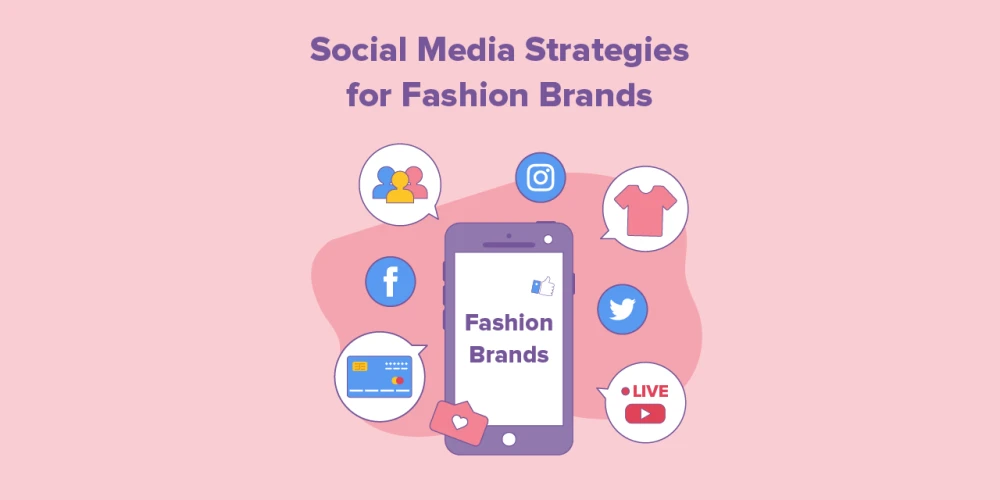
You want your clothing brand to shine online. Start by picking the right social media platforms. Not every platform works for every brand. Instagram and TikTok work well for fashion because they focus on visuals. Facebook helps you reach a wider age group.
Pinterest is great if you want to inspire shoppers with style boards. LinkedIn can help if you want to connect with other businesses or partners. Look at where your target audience spends time. Focus your energy there.
Tip: Check what your competitors do on each platform. You can learn what works and what does not.
Create Engaging Content & Hashtags
You need to grab attention fast. Post photos, short videos, and stories that show your brand’s personality. Ask your followers to share their own looks. This user-generated content builds trust and shows real people enjoying your products.
Try running a contest where customers post photos wearing your clothes. Use a branded hashtag so you can find and share their posts. Hashtags help new people discover your brand. Mix popular fashion hashtags with your own unique ones.
Content Idea | Why It Works |
|---|---|
Behind-the-scenes | Shows your creative process |
Customer spotlights | Highlights user-generated content |
Styling tips | Helps followers try new looks |
Use Model Photos & Videos
People want to see how your clothes look in real life. Share photos and videos of models wearing your designs. Show different body types and styles. This makes your brand feel more welcoming. Encourage your customers to post their own photos.
Share this user-generated content on your feed. It creates a sense of community and keeps your followers engaged. In the world of fashion, real stories and real people matter most.
Note: Always ask for permission before sharing user-generated content from your fans.
Influencer & Partnership Strategies

Find Relevant Influencers
You want your clothing brand to get noticed in the world of fashion. Start by finding influencers who match your brand’s style and values. Influencer marketing works best when you choose people who truly connect with your audience. Look at their age, gender, and location.
Check their follower count and engagement rates. Review their past partnerships and see how their followers react to their posts. Make sure their storytelling and creativity fit your brand’s vibe. You should also consider their goals and values. If their audience matches your target customers, you’ll reach the right people.
Gather demographic info like age, gender, and location.
Review performance data such as follower count and engagement.
Assess content quality and audience sentiment.
Analyze audience behavior for alignment.
Consider influencer goals and values.
Collaborate with Friendtex Partners
Working with established partners like Friendtex can boost your brand’s credibility and reach. Friendtex offers extensive customization options, so you can tailor products to fit your image. You get support throughout the production process, which helps you deliver on time.
Every product meets high-quality standards, so your customers trust what you offer. When you team up with Friendtex, you show your commitment to quality and innovation in fashion.
Aspect | Description |
|---|---|
Customization Options | Extensive customization options are available, allowing brands to tailor products to their image. |
Production Support | Friendtex provides support throughout the production process, which can enhance production timelines. |
Quality Standards | All products meet high-quality standards, ensuring reliability for new clothing brands. |
Launch Giveaways & Campaigns
Giveaways and campaigns with influencers can take your brand to the next level. Influencer marketing helps you reach new audiences and build trust. When influencers share your products, more people discover your brand. Nearly 69% of shoppers trust influencer recommendations before buying.
Engagement rates go up because followers love authentic content. You also see higher conversion rates when the right influencer shares your message. Targeting the right audience means your brand gets noticed by people who care about fashion.
Outcome | Description |
|---|---|
Increased Brand Awareness | Influencers can increase your brand awareness to new audiences by posting content on their social media accounts. |
Building Trust and Credibility | 69% of consumers trust influencer recommendations before buying a product, enhancing brand trust. |
Improved Engagement | Engagement rates improve as influencers have engaged followers who resonate with the content. |
Higher Conversion Rates | Relevant influencer content can lead to increased conversion rates as followers are more likely to convert. |
Precise Audience Targeting | Partnering with the right influencer ensures that the brand message reaches the appropriate audience. |
You can measure success by tracking cost-per-click, return on ad spend, and total impressions. Brands like Cariuma and Ruggable have seen strong results using these strategies. If you want your clothing brand to stand out, try launching a creative campaign with influencers who love fashion as much as you do.
Paid Advertising for Clothing Brands
Paid advertising helps you reach new customers fast. You can boost your clothing brand by using smart ad strategies. Let’s look at how you can use paid ads to grow your business in the world of fashion.
Social Media Ads
Social media ads let you target people who love fashion. You can show your products to shoppers on Instagram, Facebook, or TikTok. These platforms offer tools to help you reach the right audience. You can set your budget and choose who sees your ads. Most brands see strong results from social media campaigns.
The average return on investment for social media advertising campaigns is 250%. You earn $2.50 for every $1 spent.
You can test different images, videos, and messages to see what works best.
Social media ads help you build brand awareness and drive sales quickly.
Tip: Use eye-catching photos and short videos to grab attention. Try running ads during peak shopping seasons for better results.
Google Ads & Retargeting
Google Ads help you show your clothing brand to people searching for fashion online. You can use search ads, shopping ads, or display ads. These ads appear when someone looks for products like yours.
Retargeting lets you reach people who visited your website but didn’t buy. You remind them about your brand and encourage them to come back.
Ad Type | Benefit |
|---|---|
Search Ads | Reach shoppers ready to buy |
Shopping Ads | Show products with prices |
Display Ads | Build brand awareness |
Retargeting | Bring back interested visitors |
You can set daily budgets and track how many people click your ads. Google Ads work well for brands that want to grow fast.
Track Ad Performance
You need to know if your ads work. Tracking ad performance helps you spend money wisely. Use tools like Facebook Ads Manager or Google Analytics. Check how many people see your ads, click on them, and buy your products. Look at cost-per-click, conversion rates, and total sales.
Review your results every week.
Adjust your ads if you don’t see good numbers.
Try new images or messages to improve results.
Note: Consistent tracking helps you get the most from your advertising budget. You can make smart changes and grow your fashion brand faster.
Offline Marketing & Local Outreach
Pop-Up Shops & Events
Pop-up shops and local events give you a chance to meet your customers face-to-face. You can set up a temporary store in a busy area or join a local market. These events help you show off your clothing and let people touch and try on your products.
You create excitement because pop-ups do not last long. People feel they need to buy now or miss out. Take a look at the main benefits:
Benefit | Description |
|---|---|
Increased Visibility | Pop-up shops enhance brand visibility in high-traffic areas, attracting new audiences. |
Sense of Urgency | The temporary nature of pop-ups creates urgency, encouraging immediate consumer action and higher sales. |
Deeper Consumer Connections | These events foster personal interactions, building trust and loyalty among consumers. |
Integration with Marketing Strategy | Promoting pop-ups through various channels extends engagement and awareness beyond the event. |
You can also use these events to collect feedback and grow your email list. Make sure you share news about your pop-up on social media and your website.
Partner with Boutiques
Local boutiques can help you reach new shoppers. You can ask boutique owners if they want to carry your clothing line. This partnership gives your brand a spot in stores where people already shop for unique items. You get to show your collection to customers who love finding something special.
Boutiques often have loyal shoppers who trust their style picks. When your clothes appear in these stores, you build trust and gain new fans. You also learn what styles sell best in your area.
Tip: Bring samples and talk about your brand story when you meet boutique owners. Personal connections matter.
Community Engagement
You build a strong brand when you connect with your community. People want to support brands that share their values. You can host workshops, sponsor local events, or join charity drives. These actions show you care about more than just sales. Here are some ways to boost brand loyalty:
Create real experiences in physical spaces where people can interact with your brand.
Share your values and mission. Most shoppers want to feel a connection before they buy.
Train your team to know your story and values. Friendly, informed staff make a big difference.
When you focus on community, you turn shoppers into loyal fans. You also make your fashion brand a trusted part of the neighborhood.
Measure & Improve Your Marketing
Track Key Metrics
You want to know if your marketing works. Start by tracking key metrics. Look at website visits, social media engagement, and sales numbers. Use tools like Google Analytics or Facebook Insights. These tools show you what people like and where they spend time.
You can also track email open rates and click-throughs. When you see which posts or ads get the most attention, you learn what your audience enjoys.
Tip: Set clear goals for each campaign. For example, you might want more followers or higher sales. Tracking helps you see if you reach those goals.
Analyze Results
After you collect data, take time to analyze the results. Look for patterns. Maybe your audience likes videos more than photos. Perhaps certain products sell better during specific months. Use tables or charts to spot trends quickly.
Metric | What It Tells You |
|---|---|
Website Traffic | How many people visit |
Conversion Rate | How many people buy |
Social Engagement | Likes, shares, comments |
Email Performance | Opens and clicks |
When you analyze your results, you can make smarter decisions. Brands like Friendtex use this step to stay relevant and responsive to customer needs. Regular audits help you improve your brand identity and build loyalty, which is key for long-term success.
Refine Strategies
Now, use what you learn to refine your marketing strategy. Try new ideas if something does not work. Keep what brings good results. Test different content, update your website, or adjust your ads. Continuous improvement helps you stay ahead in fashion.
Focus on what your customers value, like sustainability and ethical sourcing. This builds trust and keeps your brand strong. Friendtex shows that when you listen to your audience and adapt, you create a brand people love for years.
Note: Marketing is not a one-time task. Keep learning, testing, and improving to grow your brand.
Conclusion
You can build a successful clothing brand by focusing on your brand identity, creating a strong online presence, and measuring your results. When you connect with customers emotionally, you leave a lasting impression. Friendtex shows how quality and sustainability inspire trust in fashion.
Try these strategies and let your creativity shine. Start your journey today and make your brand unforgettable.
FAQ
How do you choose the best marketing channels for your clothing brand?
You want to know where your audience spends time. Try social media, email, and local events. Test each channel. Track results. Focus on the ones that bring the most engagement and sales.
What budget should you set for clothing brand marketing?
Start small and scale up. Set a monthly budget based on your goals. Track spending. Adjust as you learn what works. You do not need a huge budget to make an impact.
How often should you update your marketing strategy?
Review your strategy every quarter. Look at your results. Try new ideas if something does not work. Stay flexible. The fashion industry changes quickly, so you need to keep up.
What makes your clothing brand stand out from competitors?
You create a unique brand story. Focus on quality, design, and values. Show what makes your products different. Share customer reviews and real-life photos. Build trust by staying true to your mission.
Can you market a clothing brand without a website?
You can start with social media and local events. A website helps you reach more people and build trust. If you want to grow, consider launching a simple site as soon as possible.