You will find the underwear manufacturing cost can range from $1.50 to more than $15 per unit. Several factors drive the cost to manufacture underwear and shape your final price point, such as:
Material quality, like cotton or advanced moisture-wicking fabrics
Labor location, with significant cost differences between Asian and European factories
Order volume, where bulk orders lower per-unit costs
Design complexity and the number of sizes you offer
Understanding the full cost structure lets you make informed decisions, boost efficiency, and maintain product quality. Transparent cost breakdowns support your ability to manage costs and protect profitability in every collection.
Key Takeaways
Manufacturing costs for underwear range from $1.50 to over $15 per unit, influenced by factors like material quality and labor location.
Choosing sustainable materials can enhance product appeal but may increase production costs. Consider eco-friendly options to attract conscious consumers.
Order volume significantly affects per-unit costs; larger orders typically lower costs due to economies of scale.
Design complexity impacts costs; simplifying designs can reduce both material and labor expenses, leading to more efficient production.
Partnering with a certified manufacturer like Friendtex ensures quality, ethical practices, and flexibility, supporting your brand’s growth.
Underwear Manufacturing Cost Breakdown
Understanding the key factors affecting underwear manufacturing costs helps you make informed decisions and manage your budget effectively. Each component of the total production cost plays a unique role in shaping your final price per unit. Let’s break down the main elements:
Fabric and Material Costs
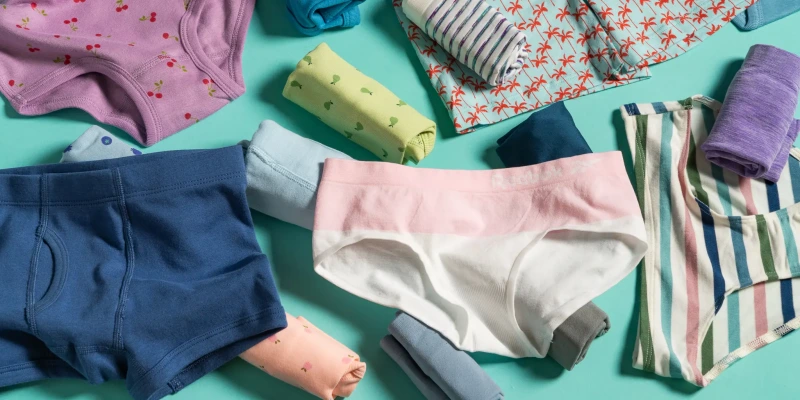
Fabric and materials costs often represent the largest portion of your total production cost. The type and quality of fabric you choose directly impact both price and product appeal.
For example, basic polyester or nylon offers affordability, while premium options like silk or organic cotton command higher prices due to their comfort and sustainability.
Fabric Type | Price Range (per yard) |
|---|---|
Polyester | $3–$7 |
Nylon | $4–$8 |
Rayon | $4–$12 |
Cotton-Polyester Blend | $6–$12 |
Silk-Cotton Blend | $15–$30 |
Silk | $8–$110 |
Wool | $15–$70 |
Velvet | $5–$200 |
Friendtex’s commitment to sustainability and quality, demonstrated by certifications like GOTS and the Better Cotton Initiative, means you can expect higher material costs. These certifications ensure ethical sourcing and eco-friendly practices.
When you select premium fabrics such as organic cotton, you not only increase the material cost breakdown but also enhance durability and comfort, which appeals to eco-conscious consumers. Choosing certified, high-quality fabric and materials can set your brand apart in a crowded market.
Labor and Production Location
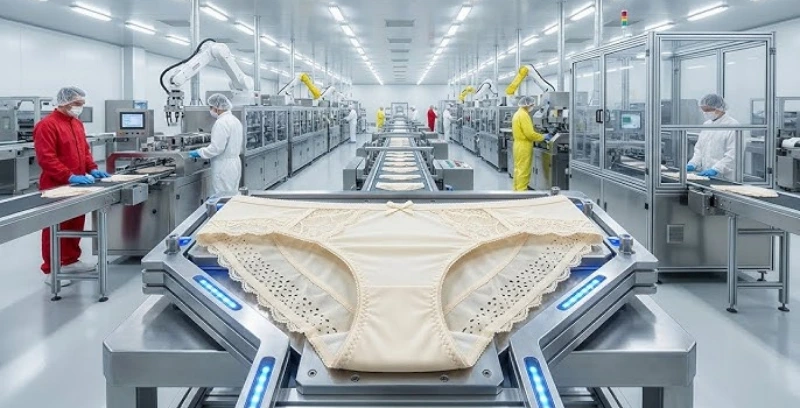
Labor costs and production location are key factors affecting underwear manufacturing costs. If you choose to manufacture in regions like Vietnam, you benefit from competitive pricing and skilled labor. Many brands prefer these locations for their balance of cost and quality.
In contrast, producing in Europe or the Americas can increase your total production cost by 15-30%. Local labor laws, such as California’s Garment Worker Protection Act, require hourly wages and can further raise costs for domestic production.
Domestic factories, while more expensive, offer flexibility with smaller production runs—often between 50 and 200 units. This flexibility helps you manage inventory risks and reduces upfront capital requirements, making it a strategic option for new or niche brands.
Order Volume and MOQs
Order volume and minimum order quantities (MOQs) have a direct impact on your per-unit costs. Manufacturers set MOQs to ensure profitability. Here’s how order volume affects your costs:
Higher MOQs typically result in lower per-unit costs due to economies of scale.
Fixed costs are distributed over a larger number of units, reducing the cost per unit.
Lower order volume means higher per-unit costs because fixed costs concentrate on fewer units.
Order Volume | Per-Unit Cost Impact |
|---|---|
Higher | Lower due to fixed cost spread |
Lower | Higher due to fixed cost concentration |
If you plan for larger production runs, you benefit from lower per-unit costs. However, smaller runs may suit brands testing new designs or entering the market, even if the cost per unit is higher.
Design and Development
Design and development costs play a significant role in your total production cost. The complexity of your design, choice of materials, and the number of features all influence the final price. For example, seamless construction or specialized features like moisture-wicking panels increase both labor and material costs.
Material selection can account for 50-65% of your total production cost. Basic cotton may cost around $2 per yard, while advanced materials like moisture-wicking microfiber range from $3.50 to $5 per yard.
If you choose intricate designs, expect higher design and development costs due to additional labor and specialized machinery. Friendtex supports brands with innovative design and development services, ensuring your products meet high standards for both style and function.
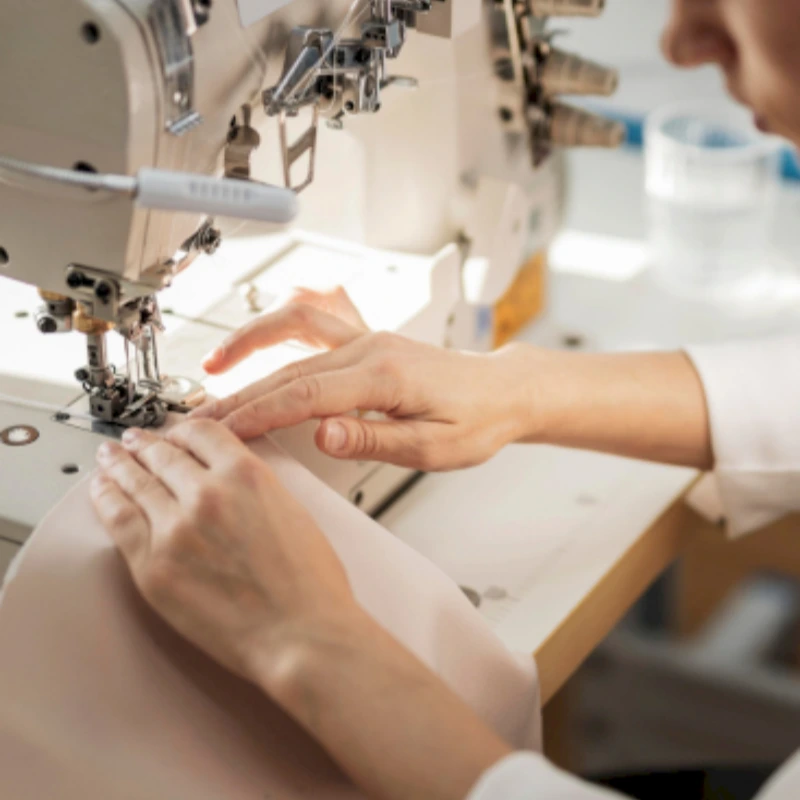
Equipment and Machinery
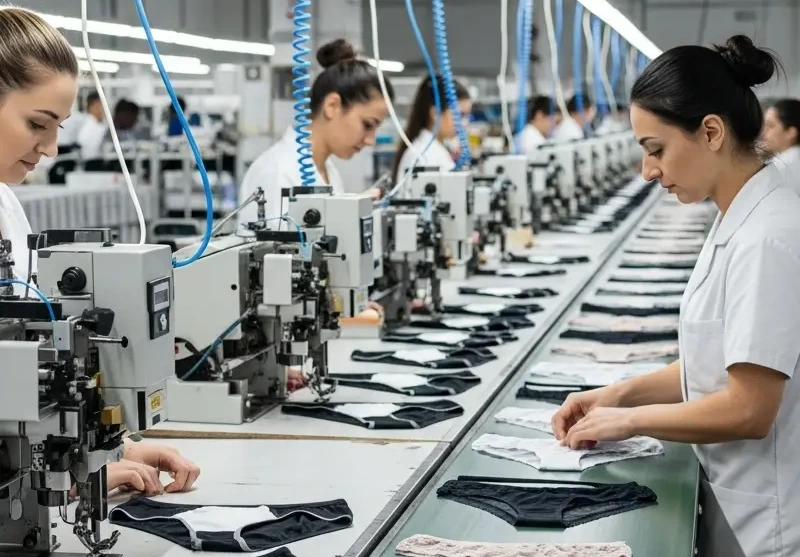
The equipment and machinery you use for production also affect your costs. Small brands may start with basic sewing machines, while larger operations invest in automated systems for higher efficiency and output.
Machine Type | Best For | Production Output | Avg. Cost Range | Maintenance Level |
|---|---|---|---|---|
Basic Sewing Machine | Small batches, simple designs | 20–50 units/day | $300–$800 | Low |
Overlock/Coverstitch | Seam finishing, hems | 100–200 units/day | $1,000–$3,000 | Medium |
Semi-Auto Knitting Machine | Seamless underwear, moderate volume | 200–400 units/day | $8,000–$20,000 | Medium-High |
Fully Automated System | High-volume, consistent production | 500–1,000+ units/day | $25,000–$60,000 | High |
Computerized Embroidery | Custom designs, branding | Varies by complexity | $2,000–$10,000 | Low-Medium |
If you operate at a higher production volume, investing in advanced machinery can reduce labor costs and improve consistency. However, small brands may prefer lower upfront costs with basic equipment, accepting slower output in exchange for flexibility.
Tip: Assess your expected order volume and design complexity before investing in equipment. This approach helps you balance initial investment with long-term production goals.
By understanding these cost components—fabric and materials costs, labor, order volume, design and development costs, and equipment—you can better manage your total production cost and position your brand for success.
Key Cost Drivers in Underwear Manufacturing
Understanding the main cost drivers in underwear manufacturing helps you make smart decisions for your brand. Each factor shapes your final price and affects your ability to compete in the market.
Material Selection and Sustainability
Your choice of materials has a major impact on labor and production costs. Sustainable materials, such as organic cotton or bamboo, usually cost more than standard fabrics. The price of fabric depends on fiber content and where you source it.
If you choose sustainable materials, you support eco-friendly practices, but you may face higher production costs. Friendtex offers a wide range of sustainable materials, helping you create premium products that appeal to conscious consumers.
Fabric costs make up a large part of unit pricing.
Sustainable materials often cost more than conventional options.
The country of origin and fiber type influence the overall cost structure.
Labor Costs by Region
Labor costs change based on your production location. For example, manufacturing in Vietnam gives you competitive labor and production costs, while Europe or the US can increase costs by 15-30%.
Labor costs also depend on local laws and wage standards. Friendtex operates in regions that balance skilled labor with cost efficiency, ensuring you get high-quality products at a fair price.
Production Scale and Factory Efficiency
Production scale affects your per-unit costs. If you increase your order volume, you benefit from economies of scale, which lowers the cost per unit. Efficient factories use advanced machinery and strong quality control to reduce labor and production costs.
Friendtex invests in modern equipment and streamlined processes, helping you save money while maintaining high standards.
Higher production volume reduces per-unit costs.
Efficient operations lower labor and production costs.
Quality control minimizes waste and rework.
Compliance and Certifications
Compliance and certifications add 5-15% to your costs, but they protect your brand and open new markets. Certifications like GOTS or Better Cotton Initiative show your commitment to quality and ethical practices. Friendtex holds multiple certifications, giving you confidence in both product safety and sustainability.
Factor | Description | Impact on Final Price |
|---|---|---|
Production location | Costs vary by region; Vietnam is cost-effective, Europe/US is pricier. | Affects total labor and production costs and brand image. |
Fabric & materials | Sustainable materials cost more but boost quality and appeal. | Raises production costs, shapes pricing strategies. |
Production scale | Larger runs lower per-unit costs; factory efficiency is key. | Improves efficiency, reduces unit costs. |
Compliance | Certifications add costs but ensure quality and market access. | Justifies higher prices, protects reputation. |
Tip: Partnering with a manufacturer like Friendtex helps you balance quality, sustainability, and efficiency, giving your brand a strong foundation for growth.
Hidden Costs and Risk Factors
When you plan your underwear manufacturing, you must look beyond basic production costs. Hidden costs can impact your budget and threaten your brand’s reputation. Understanding these risks helps you anticipate problems and protect your business.
Hidden Costs | Description |
|---|---|
Late Shipments | Delays that can cause missed retail launches. |
Quality Inconsistencies | Issues that may require rework or markdowns. |
Compliance Gaps | Risks that can affect brand reputation. |
Overloaded Factories | Factories are unable to maintain performance due to excessive demand. |
Total Cost of Ownership | A shift in focus from unit cost to include reliability, transparency, and risk exposure. |
Quality Issues and Returns
Quality issues often lead to higher hidden costs. If you approve designs without proper testing, you risk high return rates once products reach customers. Size inconsistency increases product returns and damages customer satisfaction. Inconsistent quality control can result in underwear that leaks or loses absorbency.
These problems force you to spend more on rework, refunds, and replacements. You also risk losing loyal customers. In fact, 35% of e-commerce fashion returns come from quality issues.
When you partner with certified manufacturers like Friendtex, you gain access to strict quality control and reliable testing, which reduces these risks.
Logistics, Shipping, and Duties
Logistics and shipping add to your total landed cost. Delays in shipments can cause you to miss retail launches and lose sales opportunities. Duties and taxes vary by country and can surprise you if you do not plan. Many manufacturers face cash flow issues after shipment because buyers negotiate payment delays or discounts.
You should set clear payment terms and realistic delivery schedules to avoid these hidden costs. Friendtex’s global experience helps you navigate shipping and customs efficiently.
Supplier Inconsistency
Supplier inconsistency creates unpredictable risks. If your supplier cannot maintain quality or meet deadlines, you face production delays and increased costs. Overloaded factories may struggle to deliver consistent results. Poor communication leads to compliance gaps and missed expectations.
After a bad experience, 45% of consumers stop buying from a brand. You protect your reputation by working with reliable, certified partners. Friendtex’s certifications and transparent processes ensure you receive consistent quality and timely delivery.
Tip: Always review your supplier’s certifications and track record. Reliable partners help you minimize hidden costs and build a strong brand foundation.
Ways to Reduce Underwear Manufacturing Costs
Reducing costs in underwear manufacturing requires a clear strategy and a focus on efficiency. You can lower expenses without sacrificing quality by following proven methods. Here are the most effective ways to reduce underwear manufacturing costs and keep your brand competitive.
Design Simplification
Simplifying your design is a powerful strategy. When you reduce the number of components, trims, or complex stitching, you cut both labor and material costs. Streamlined designs also speed up production and minimize errors.
Many brands find that focusing on essential features leads to a better product and a more efficient process.
Tip: Work with your manufacturer to identify unnecessary design elements. Friendtex’s design team can help you create stylish, functional underwear that is easy to produce and cost-effective.
Material Optimization
Material optimization is another key strategy. You can achieve significant savings by choosing cost-effective fabrics and consolidating your fabric palette. For example, a Florida-based underwear brand saved 11% by switching to a recycled cotton-spandex blend and standardizing colors.
Negotiating with suppliers and ordering in bulk further reduces costs. Friendtex offers a wide range of sustainable materials, helping you balance quality and price for optimal results.
Switch to recycled or blended fabrics for lower costs.
Standardize fabric colors to reduce waste.
Negotiate with suppliers and consolidate orders for better pricing.
Efficient Sourcing and Supplier Partnerships
Building strong supplier relationships forms the foundation of an effective buying strategy. Efficient sourcing can reduce costs by up to 25%. When you partner with a full-package manufacturer like Friendtex, you streamline your supply chain and minimize hidden expenses.
Friendtex’s one-stop solution covers everything from design to delivery, ensuring you receive consistent quality and timely service.
Strategy | Description |
|---|---|
Robust Quality Control Processes | Strong checks at every stage catch issues early and prevent costly mistakes. |
Effective Supplier Management | Reliable partners ensure high-quality materials and on-time delivery. |
Leveraging Technology | Automation and data analysis improve efficiency and reduce errors. |
Lean Manufacturing | Just-In-Time inventory and process improvements cut waste and save money. |
Waste Reduction and Inventory Planning
Waste reduction and smart inventory planning are essential for cost optimization. Lean manufacturing eliminates unnecessary steps and reduces excess inventory. By forecasting demand and planning production cycles, you avoid overstocking and lower storage costs.
Brands like Zivame have used data-driven approaches to cut waste by 10%, leading to both cost savings and a smaller environmental footprint.
Eliminate process waste to lower manufacturing costs.
Minimize inventory levels to reduce working capital needs.
Increase labor productivity for higher output at lower cost.
Note: Friendtex’s sustainable practices and advanced planning tools help you manage inventory efficiently and reduce waste throughout the production process.
By applying these strategies, you can discover new ways to reduce underwear manufacturing costs while maintaining the quality your customers expect.
Selecting a Premium Manufacturing Partner
Choosing the right manufacturing partner shapes your brand’s future. You need a supplier who delivers quality, innovation, and reliability. Use clear criteria to guide your decision and set your business up for long-term success.
Full-Service and Vertical Integration
A premium partner offers more than just production. You benefit from advanced manufacturing technologies, full OEM and ODM services, and low minimum order quantities. Rapid prototyping and comprehensive branding solutions help you move quickly from concept to market.
Friendtex stands out by providing a one-stop solution for custom underwear production, supporting you at every stage.
Advanced manufacturing technologies
Full OEM and ODM services
Low MOQs for flexibility
Rapid prototyping
Branding and packaging support
Tip: A vertically integrated partner streamlines your supply chain and reduces hidden costs.
Certifications and Quality Assurance
Certifications signal a manufacturer’s commitment to quality and ethical practices. Look for partners with recognized standards and robust quality assurance systems.
Certification | Description |
|---|---|
ISO 9001 | Quality Management Systems |
ISO 14001 | Environmental Management Systems |
OHSAS 18001 | Occupational Health and Safety |
You should expect regular audits, product sampling, and clear performance metrics. Friendtex’s certifications and quality controls ensure your products meet global standards and customer expectations.
Customization and Flexibility
Customization and flexibility set your brand apart. Choose a partner who offers low order quantities and a wide range of design options. This approach lets you test new ideas, manage costs, and respond to market trends.
Friendtex supports extensive customization, from unique color combinations to personalized packaging, helping you build a distinctive identity.
Low MOQs enable market testing
Flexible order sizes reduce financial risk
Custom design options foster brand loyalty
Note: Strong supplier guidance ensures you receive tailored solutions that match your vision and growth goals.
Criteria | Description |
|---|---|
Quality Craftsmanship | Ensures durable products and builds brand loyalty through attention to detail. |
Sustainability Practices | Focus on eco-friendly materials and ethical production methods. |
Innovation & Technology | Incorporates advanced materials and smart technology. |
Market Growth & Reach | Adapts to global trends and consumer demands. |
Product Quality & Design | High standards in materials and construction. |
Industry Recognition | Awards and certifications indicate commitment to quality. |
Selecting an experienced, certified manufacturer like Friendtex gives your brand the foundation it needs for long-term growth and market leadership.
Conclusion
You face several cost drivers and hidden expenses in underwear manufacturing:
Harmful chemicals in cheap underwear can pose health risks.
Fast fashion increases textile waste, harming the environment.
Investing in quality underwear offers better durability and long-term value.
Strategic cost management helps you protect your brand and your customers. Choosing a premium, certified partner like Friendtex ensures consistent quality, ethical sourcing, and customization options.
Friendtex’s commitment to sustainability and industry certifications supports your brand’s reputation and meets the growing demand for eco-friendly products.
FAQ
What is the minimum order quantity (MOQ) for manufacturing underwear?
You usually find MOQs starting at 200–500 units per style with most manufacturers. Friendtex offers flexible MOQs, allowing you to test new designs or launch limited collections without high upfront investment.
How do sustainable materials affect underwear manufacturing costs?
Sustainable materials like organic cotton or bamboo often cost more than standard fabrics. You pay a premium for certifications and eco-friendly sourcing. However, these materials can boost your brand’s appeal and support your sustainability goals.
Can I customize underwear designs with Friendtex?
Yes, you can fully customize your underwear designs with Friendtex. You choose fabrics, colors, trims, and packaging. Friendtex’s design team helps you create unique products that match your brand vision.
How long does underwear production usually take?
Production timelines vary by order size and design complexity. You can expect 4–8 weeks for most orders. Friendtex provides clear schedules and updates, helping you plan your product launches with confidence.
What certifications should I look for in a manufacturing partner?
Look for certifications like GOTS, ISO, and Better Cotton Initiative. These ensure quality, ethical sourcing, and environmental responsibility. Friendtex holds multiple certifications, giving you peace of mind about compliance and product safety.