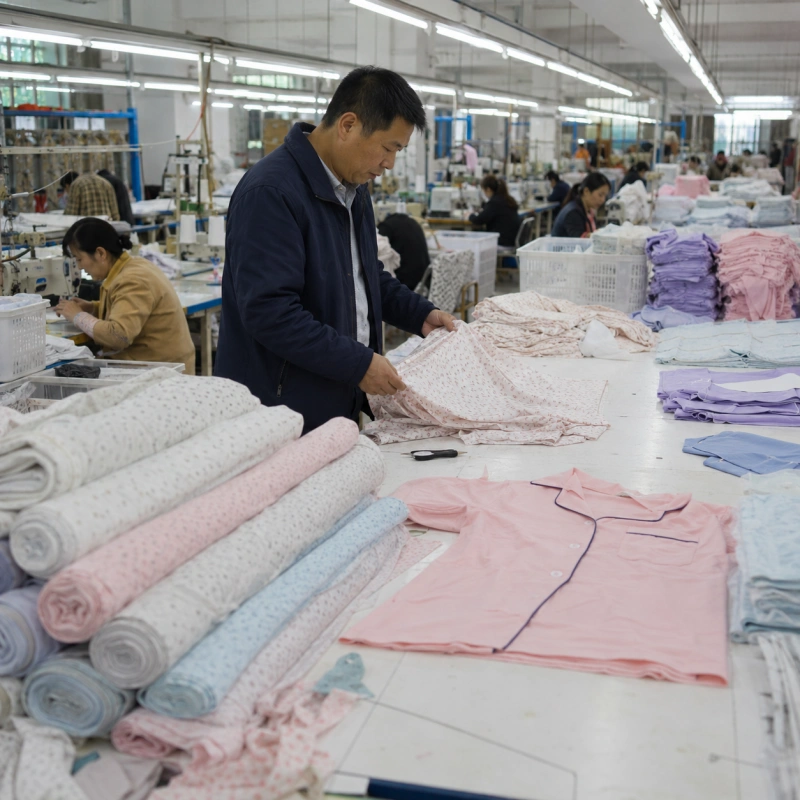
What impacts pajama manufacturing cost for modern brands? You face a complex mix of key factors, including material selection, labor, design, and hidden expenses like compliance and logistics.
The true cost of manufacturing clothing goes beyond fabric and labor, with pre-production, production, and logistics costs often shaping your profit margins. For example, a pajama can reach a total project cost of $11.90 per unit.
When you understand these elements, you can budget more effectively and protect your margins. Choosing a partner like Friendtex helps you navigate garment manufacturing and clothing manufacturing costs, supporting your goals for high-quality, sustainable sleepwear.
Key Takeaways
Understand the key factors affecting pajama manufacturing costs, including fabric selection, labor, design complexity, and logistics.
Choose sustainable materials to enhance your brand’s reputation and potentially lower long-term costs, despite higher upfront expenses.
Optimize order volume to benefit from economies of scale, reducing per-unit costs and improving production efficiency.
Invest in quality control to minimize defects and returns, protecting your brand’s reputation and reducing overall costs.
Partner with a reliable manufacturer like Friendtex to access advanced production techniques and sustainable practices, ensuring competitive pricing.
Fabric Selection And Rising Material Costs
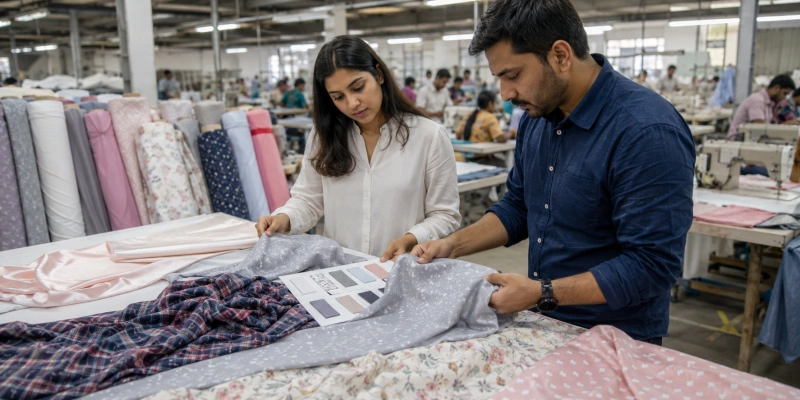
Types Of Pajama Fabrics
You make one of your most important decisions in pajama manufacturing when you choose the fabric. The fabric you select shapes the comfort, durability, and price of your sleepwear. Each fabric has unique qualities and a different impact on your clothing manufacturing cost.
You can see the key factors in material selection and fabric types in the table below:
Fabric Type | Characteristics | Cost Comparison |
|---|---|---|
Polyester Fiber | Strong, durable, easy to care for | Affordable, usually 1/3–1/2 the price of silk |
Pointelle Rib Fabric | Elastic, special texture, unique structure | Widely used, the cost varies |
Cotton/Modal or Cotton/Rayon | Comfortable, functional, durable, eco-friendly | Suitable for high-quality textiles; the cost varies |
Velour | Extremely soft, ideal for relaxation | Popular for home clothes, the cost varies |
Jersey Pajama Fabric | Soft, breathable, stretchy | Classic choice, cost varies |
Flannel Pajama Fabric | Warm, thick, soft | Great for cold weather, cost varies |
Poplin Pajama Fabric | Crisp, lightweight, breathable | Good for year-round wear; the cost varies |
Muslin Sleepwear Fabric | Light, gentle, very breathable | Ideal for summer, the cost varies |
You see that polyester fiber offers a lower cost, making it a good choice for mass-market pajamas. Cotton blends and modal provide more comfort and durability, which suit premium brands. Specialty fabrics like velour and muslin add unique value but may increase your overall costs.
Impact Of Rising Material Costs
Rising material costs have become a major challenge in garment manufacturing. You must track market prices for both conventional and sustainable materials. For example, cotton prices can fluctuate due to weather, global demand, and supply chain issues.
When you use recycled polyester, you may pay between $2.50 and $4.00 per meter. Cotton can range from $3.00 to $6.00 per meter. These changes affect your cost of manufacturing clothing and can squeeze your margins if you do not plan your budget carefully.
You also need to consider maintenance costs and longevity. Recycled polyester offers low maintenance and high durability, which can help you control long-term costs. Cotton provides moderate maintenance and longevity.
If you want to keep your pajama manufacturing cost stable, you must monitor these trends and adjust your material choices as needed.
Tip: You can reduce the impact of rising material costs by working with suppliers who offer flexible sourcing and bulk purchasing options.
Sustainable Materials With Friendtex
Sustainable materials are now a top priority for modern brands. You see more companies choosing organic, recycled, and bio-based fabrics to lower their environmental impact.
Friendtex leads this trend by offering a wide range of premium, eco-friendly materials for sleepwear manufacturing. The table below shows how these materials compare:
Material | Key Features | Sustainability Aspect |
|---|---|---|
Modal | Silky, moisture-wicking, resists pilling | Eco-friendly, closed-loop production |
Bamboo | Ultra-soft, antibacterial, thermoregulating | Grows fast, needs little water, and no pesticides |
Organic Cotton | Softer, grown without synthetic fertilizers | Preserves soil, reduces environmental impact |
Recycled Polyester | Durable, made from post-consumer plastic | Diverts waste, lowers new plastic use |
When you choose Friendtex, you gain access to these advanced materials. Friendtex’s sourcing strategy focuses on both quality and sustainability, which helps you manage your clothing manufacturing cost while supporting your brand’s values.
You also benefit from Friendtex’s certifications, which prove their commitment to responsible garment manufacturing.
Current trends show that eco-friendly materials and efficient production methods can lead to long-term savings. You may pay more upfront, but you often lower your total costs over time. Sustainable practices also help you build a positive brand image and meet customer expectations.
The use of eco-friendly materials is increasing, with brands choosing organic, recycled, and bio-based textiles.
New production methods focus on efficiency and waste reduction, which can save you money in the long run.
Circular business models, such as resale and rental, help extend the life of your garments and create new revenue streams.
You can see that material selection and fabric types play a central role in pajama manufacturing cost. By choosing the right materials and working with a trusted partner like Friendtex, you can control costs, protect your margins, and support sustainable garment manufacturing.
Labor Cost Factors In Pajama Manufacturing
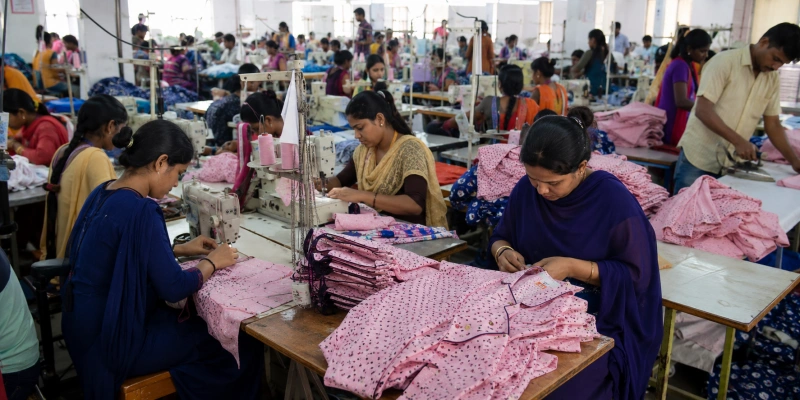
Location And Wage Differences
Labor cost is one of the key factors that shape your pajama manufacturing cost. Where you choose to produce your sleepwear can have a big impact on your clothing manufacturing cost and your margins. Wages for garment workers vary widely between countries.
For example, China has seen a steady rise in labor costs, with average monthly wages now at $800. In contrast, Bangladesh and Pakistan offer lower wages, around $135–$140 per month. You can see the differences in the table below:
Country | Average Monthly Wage (USD) | Year |
|---|---|---|
Bangladesh | $135 – $140 | 2023 |
Pakistan | $135 – $140 | 2023 |
Myanmar | $161 | 2020 |
Indonesia | $194 | 2023 |
India | $195 | 2023 |
Cambodia | $256 | 2021 |
China | $800 | 2022 |
Rising labor costs in traditional manufacturing hubs are changing sourcing decisions for many brands. You must balance lower wages with other factors, such as quality, reliability, and labor shortages. Labor shortages can drive up the cost of manufacturing clothing, especially in regions with high demand or strict labor laws.
Skill Level And Compliance
The skill level of your workforce also affects the pajama manufacturing cost. Highly skilled workers can produce complex designs and maintain high quality, but they often command higher wages. You need to consider compliance with labor laws and safety standards.
Many countries now require strict audits and certifications to ensure fair treatment of workers. Labor shortages in skilled positions can increase costs and slow down production. You must plan for these challenges to keep your costs and timelines under control.
Friendtex’s Professional Team
Friendtex stands out in garment manufacturing by investing in a professional team and strict compliance. You benefit from their commitment to quality, safety, and ethical practices.
Friendtex holds certifications that prove their dedication to responsible pajama manufacturing. These include GOTS, OEKO-TEX, SA8000, Amfori, Sedex, SGS, QIMA ONE, ISO, and more. The table below highlights some of these certifications:
Certification | Description |
|---|---|
GOTS | Global Organic Textile Standard, ensuring organic status and social responsibility. |
OEKO-TEX | Certifies textiles free from harmful substances. |
SA8000 | Social accountability standard ensuring fair labor practices. |
Amfori | Focuses on improving social and environmental performance. |
Sedex | Platform for managing ethical supply chains. |
SGS | Provides inspection, verification, testing, and certification services. |
ISO | International standards for quality management. |
You can trust Friendtex to deliver high-quality sleepwear while keeping your pajama manufacturing cost competitive. Their focus on skilled labor, compliance, and ethical standards helps you protect your brand and meet customer expectations.
Design Complexity And Customization Costs
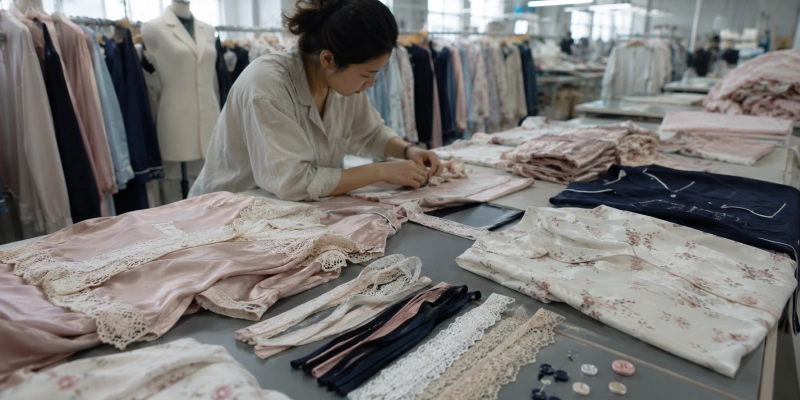
Pattern And Style Variations
Design complexity plays a big role in pajama manufacturing cost. When you choose intricate patterns or unique styles, you increase the time and skill needed for production. Simple pajama designs with basic features cost less to make.
More complex designs, such as those with extra pockets, zippers, or special trims, raise your costs. You also need to consider the impact of cut-and-sew manufacturing. This method gives you more control over fabric and design, but it can make logistics harder and increase costs, especially for large orders.
Complex designs with added features like pockets and zippers increase production costs.
Simple designs with basic features keep costs lower.
Cut and sew methods offer design control but can raise costs for bigger volumes.
Managing your own sourcing adds complexity and can affect cost efficiency.
Customization For High-End Brands
High-end pajama brands often offer many customization options. You might select special fabrics, unique prints, or custom trims. These choices increase your production costs compared to standard runs.
Custom branding, woven or printed labels, and premium packaging also add to the total cost. Personalized collections and size grading require extra labor and attention.
Factor | Cost Range |
|---|---|
Standard Production | $5 – $15 per unit |
High-End Customization | $15 – $25 per unit |
Additional Costs | Higher for small quantities and premium fabrics |
You see that customization for high-end sleepwear can double the cost of manufacturing clothing. Small batch orders and premium materials push costs even higher.
Friendtex’s Bespoke Solutions
Friendtex helps you manage design complexity and customization with a range of bespoke solutions. You can customize patterns, colors, and styles, even for small batches. This reduces inventory risk and lets you test new ideas. Friendtex’s professional sample-making team ensures quality and fast delivery.
Advanced production technology improves efficiency and can lower your overall cost. You get the flexibility to create unique sleepwear while keeping pajama manufacturing costs under control.
Bespoke Design Solutions | Impact on Cost |
|---|---|
Customization of patterns, colors, and styles | Allows small batch customization, reduces inventory risk |
Ensures quality and timely delivery, affects production cost | |
Advanced production technology | Improves efficiency, can lower costs for your brand |
Tip: When you work with a trusted partner like Friendtex, you can balance creativity and cost, making your brand stand out in the sleepwear market.
Production Process And Manufacture Sleepwear Cost
The production process shapes your pajama manufacturing cost more than you might expect. Each step, from design to packing, adds to your total landed cost. You need to understand how each stage affects your budget and the final quality of your sleepwear.
Step | Description |
|---|---|
Design Development | You create and refine initial concepts for your pajama. |
Fabric Selection | You choose the right fabric and materials for comfort and durability. |
Trims and Assessments | You select buttons, zippers, and other accessories. |
Pattern Making | You develop precise patterns for cutting. |
Sample Making | You produce a sample for approval. |
Fabric Cutting | You cut the fabric with accuracy to avoid waste. |
Sewing | You assemble the pieces into finished sleepwear. |
Quality Control | You inspect for defects and ensure standards are met. |
Packing | You prepare the finished pajama for distribution. |
Cutting And Sewing Methods
Cutting and sewing methods play a big role in production process costs. Precision in cutting is crucial. Small errors can lead to wasted fabric and higher costs. Manual cutting works well for small orders or delicate materials. Automated cutting suits large orders and boosts efficiency.
Digital pattern-making speeds up the process and reduces mistakes, which helps you control your clothing manufacturing cost.
Automation Vs Manual Labor
You must decide between automation and manual labor. Automation increases efficiency and lowers the cost of manufacturing clothing. Machines can handle repetitive tasks quickly, which reduces labor costs and improves consistency. Manual labor offers flexibility for custom or small-batch orders.
However, it can raise production process costs due to slower speed and a higher risk of errors.
Benefit | Description |
|---|---|
Increased Efficiency | Automation speeds up production and increases output. |
Cost Reduction | Machines lower labor costs and improve profitability. |
Improved Quality | Automation ensures consistent results and fewer defects. |
Reduced Employee Fatigue | Machines reduce errors from repetitive manual tasks. |
Friendtex uses advanced technology, such as digital tech packs and automated cutting, to streamline the manufacture of sleepwear. This approach reduces errors, saves time, and keeps your pajama manufacturing cost competitive.
Quality Control Management
Quality control is essential for reducing defects and returns. You should set up checkpoints at every stage of production. Well-trained operators help maintain high quality. Digital tools allow real-time tracking of defects, which helps you fix problems quickly.
Friendtex uses strict quality control management, including third-party inspections, to ensure every pajama meets your standards. This focus on quality helps you avoid costly rework and protects your brand reputation.
Tip: Investing in advanced quality control and efficient production methods can lower your total landed cost and improve customer satisfaction.
Secondary Costs In Pajama Manufacturing
Trims, Accessories, And Packaging
You might focus on fabric and labor when you think about pajama manufacturing, but trims, accessories, and packaging also play a big role in your total landed cost. These cost components include buttons, zippers, elastic bands, neck labels, and branded packaging.
Each detail adds value and shapes your customer’s first impression.
The neck label is the first branded element your customer physically experiences. If it irritates, curls, or fades, it instantly damages your brand perception. A great apparel sourcing strategy treats the neck label as a true brand asset, not an afterthought.
You should invest in high-quality trims and packaging to protect your brand image. These secondary costs can range from $0.50 to $2.00 per unit, depending on the materials and design. Sustainable packaging and recycled materials may increase the cost, but they support your brand’s values and appeal to eco-conscious buyers.
Sampling And Prototyping
Sampling and prototyping are essential steps in sleepwear manufacturing. You need to create samples to test fit, comfort, and quality before mass production. These steps help you avoid costly mistakes and ensure your pajama meets expectations. You can manage these costs by following best practices:
Control overhead by managing payroll and operational costs.
Strengthen supplier partnerships to ensure quality and efficiency.
Reduce material waste by designing garments that use fabric efficiently.
Cross-train your labor force to improve flexibility.
Integrate simpler designs to lower production costs.
Use software to streamline processes and reduce errors.
Sampling usually adds $100 to $500 to your project, depending on design complexity and the number of prototypes. You can lower your cost of manufacturing clothing by planning and working with experienced partners like Friendtex.
Certifications And Compliance
Certifications and compliance are important cost components in pajama manufacturing. You must meet safety and quality standards, especially for children’s sleepwear. These requirements vary by market and material type. The table below shows common certification needs:
Certification Requirement | Description |
|---|---|
Third-party testing | Products must be tested at a CPSC-accepted lab for applicable rules (e.g., lead, phthalates). |
Children’s Product Certificate (CPC) | A legal declaration certifying compliance with CPSC rules and standards. |
Permanent tracking labels | Required for all products to facilitate recalls, including manufacturer information and production details. |
You should budget for these compliance costs, which can range from $0.20 to $1.00 per unit. Friendtex holds certifications like GOTS, OEKO-TEX, and Amfori, which help you meet global standards and build trust with your customers.
These certifications also support your commitment to sustainable materials and ethical manufacturing.
By understanding and managing these secondary costs, you can optimize your total landed cost and deliver high-quality sleepwear that stands out in the market.
Logistics, Shipping, And Supply Chain Costs
Domestic Vs. International Shipping
You need to consider both domestic and international shipping when you calculate the total landed cost for your pajama line. Shipping costs depend on where your products start and where they end up. They also change based on the service you choose, how fast you want delivery, and the weight and type of your packages.
International shipping often brings extra expenses, such as duties, taxes, and fees. These can add up quickly and affect the cost of manufacturing clothing. The table below shows the main factors that shape shipping expenses:
Factor Type | Description |
|---|---|
Shipping Costs | Costs vary based on origin, destination, service choice, delivery time, package type, and weight. |
Duties | Influenced by Free Trade Agreements, country-specific thresholds, HS codes, and shipment type. |
Taxes | Affected by the commodity’s origin, currency changes, and country-specific tax authority. |
Fees | Include customs entry, invoicing, brokerage, and potential additional paperwork or inspections. |
Customs, Duties, And Delays
You face more than just shipping fees when you move sleepwear across borders. Customs, duties, and delays can increase your costs and slow down your supply chain. Port delays and shipping disruptions are common problems. These issues raise transportation costs and make it harder to predict delivery times.
Inflation and rising energy prices also push up costs for logistics and materials. Many fashion brands now try to diversify their supply chains and optimize logistics to keep costs under control.
Tip: You can reduce delays by preparing all paperwork in advance and working with experienced partners who know international regulations.
Warehousing And Distribution
Warehousing and distribution strategies play a big role in your pajama manufacturing cost. Smart routing from the nearest warehouse speeds up fulfillment and lowers transportation costs.
Efficient movement of goods protects your business’s profitability. The table below shows how supply chain optimization helps you save money:
Aspect | Benefit | Impact on Cost |
|---|---|---|
Supply Chain Optimization | Finds cost savings and value creation | Reduces overall manufacturing costs |
Efficient Movement | Ensures cost-effective delivery | Protects and grows profitability |
Cost-Effective Distribution | Keeps costs low and supports competitiveness | Enhances your competitive edge |
Friendtex manages global distribution with advanced logistics systems. You get faster delivery, lower costs, and reliable service. Friendtex’s experience in warehousing and distribution helps you keep your pajama line on schedule and within budget, while maintaining high quality.
Order Volume, MOQ, And Cost Optimization
Economies Of Scale In Pajama Manufacturing
Order quantity and economies of scale play a major role in shaping your pajama manufacturing cost. When you place larger orders, you unlock lower per-unit costs. Manufacturers can buy fabric and materials in bulk, which reduces expenses. Production lines run more efficiently with higher volumes.
You benefit from streamlined logistics and fewer interruptions. Smaller orders usually have higher per-unit costs because they do not allow for these efficiencies.
Larger order quantities lead to reduced per-unit cost.
Bulk purchasing of materials lowers expenses.
Streamlined production processes improve efficiency.
Smaller runs increase per-unit cost due to less efficient manufacturing.
If you want to maximize savings, you should plan your sleepwear production around higher volumes. This approach helps you protect your margins and maintain consistent quality.
Minimum Order Quantities (MOQ)
Minimum order quantities set the threshold for cost optimization. Pajama manufacturers often require a certain number of units per order. These levels impact your cost per unit and your ability to scale production. The table below shows typical MOQ levels and their effect on cost:
MOQ Level | Cost Per Unit |
|---|---|
50–100 units | Highest |
300–500 units | Medium |
1,000+ units | Lowest |
If you order fewer than 100 units, you pay the highest cost per unit. Orders between 300 and 500 units offer a balance between flexibility and cost. When you reach 1,000 units or more, you achieve the lowest cost per unit. You need to consider your brand’s needs and market demand before deciding on your MOQ.
Friendtex offers flexible solutions, allowing you to test new designs with smaller batches while still optimizing cost.
Strategies To Reduce Pajama Manufacturing Cost
You can use several practical strategies to reduce the cost of manufacturing clothing without sacrificing quality. Friendtex supports brands with innovative solutions that help you save money and build a strong reputation. The table below highlights key strategies and their benefits:
Strategy | Benefit |
|---|---|
Sustainable packaging materials | Higher upfront costs, but can lead to long-term savings and customer loyalty. |
Optimize packaging size | Reduces shipping costs and protects products during transport. |
Right-sized packaging | Saves money and space, avoiding oversized boxes that increase shipping fees. |
Eco-friendly solutions | Aligns with brand values and supports sustainability goals, helping brands stand out. |
You can choose sustainable packaging materials to support your brand’s values. Optimizing packaging size lowers logistics costs and protects your sleepwear during shipping. Right-sized packaging avoids unnecessary fees and saves space. Eco-friendly solutions help your brand stand out and attract loyal customers.
Friendtex offers flexible order quantities, advanced production technology, and sustainable materials. You can customize your pajama line, manage costs, and maintain high quality. By planning your order volume and using these strategies, you gain a competitive edge in the sleepwear market.
Tip: Work closely with your manufacturing partner to find the best balance between order quantity, cost, and quality. This approach helps you grow your brand and meet customer expectations.
Conclusion
You can manage pajama manufacturing costs by understanding each factor, from fabric selection to logistics. Smart strategies like optimizing order volume and focusing on quality help you control the cost of manufacturing clothing and boost your sleepwear brand.
Partnering with Friendtex gives you access to advanced manufacturing, eco-friendly practices, and certified quality.
Aspect | Benefit |
|---|---|
Eco-friendly practices | Friendtex uses sustainable fabrics and methods. |
Customization options | Unique designs and colors tailored to your needs. |
Quality certifications | Products meet OEKO-TEX and CPSC standards. |
Competitive pricing | Fast production and market-ready pricing. |
Commitment to sustainability | Certifications like GOTS and Better Cotton Initiative. |
You gain better pricing strategies.
Product quality improves consumer satisfaction.
Cost management insights drive long-term growth.
FAQ
What factors most affect pajama manufacturing cost?
You should focus on fabric choice, labor wages, design complexity, and logistics. Each factor influences your total cost and profit margins. Managing these elements helps you control expenses and maintain quality.
How can sustainable materials impact my pajama cost?
Sustainable fabrics may cost more upfront, but they often reduce long-term expenses. They improve brand reputation and meet customer demand for eco-friendly products, balancing cost with value.
Why does order volume matter in manufacturing cost?
Larger orders lower your per-unit cost by enabling bulk material purchases and efficient production. Smaller runs increase cost due to less efficiency and higher overhead.
How does design complexity influence pajama production cost?
Intricate designs require more skilled labor and time, raising your cost. Simple styles keep production faster and cheaper, helping you manage expenses.
What role does quality control play in cost management?
Strong quality control reduces defects and returns. It saves you money by avoiding rework and protects your brand’s reputation, ultimately lowering your overall cost.