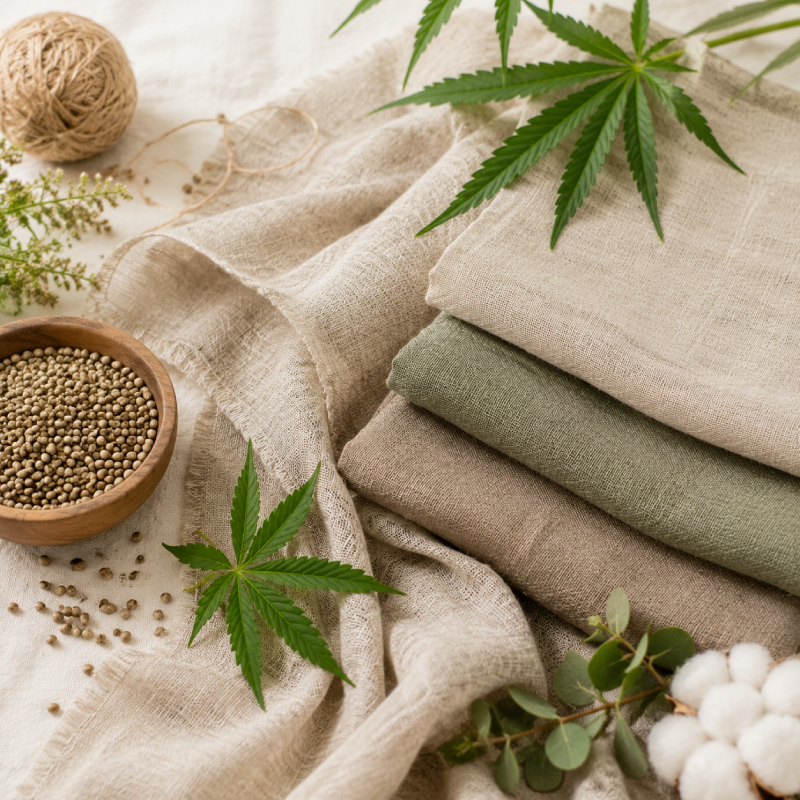
Curious about what hemp fabric is and why it’s suddenly everywhere in sustainable fashion? You’re about to discover one of the oldest textiles in human history — now reimagined for modern sleepwear. Hemp fabric stands out for its exceptional breathability, remarkable durability, and eco-friendly credentials that leave cotton and polyester in the dust.
More sleepwear brands are turning to hemp fabric for pajamas, nightgowns, and loungewear because it keeps you cool in summer, warm in winter, and gets softer with every wash — unlike synthetic fabrics that degrade over time. Friendtex brings you premium hemp-blend sleepwear that combines sustainability with the comfort your customers expect.
Key Takeaways
Hemp fabric is a natural textile made from the stalks of the Cannabis sativa plant, known for its exceptional strength, breathability, and minimal environmental footprint.
Hemp fibers are up to eight times stronger than cotton, naturally antimicrobial, and provide UV protection — making them ideal for sleepwear that lasts.
The fabric becomes softer with each wash without degrading, unlike cotton which thins and synthetic fabrics which pill over time.
Hemp cultivation requires roughly 50% less water than cotton, zero pesticides, and regenerates soil health — making it one of the most sustainable fabric choices available.
Friendtex offers hemp and hemp-blend sleepwear options that combine this ancient fiber’s benefits with modern design and manufacturing standards, including OEKO-TEX® certification.
- Hemp fabric is easy to care for — machine washable, quick-drying, and naturally resistant to odor and bacteria, making it a practical choice for everyday sleepwear.
What is Coral Fleece?
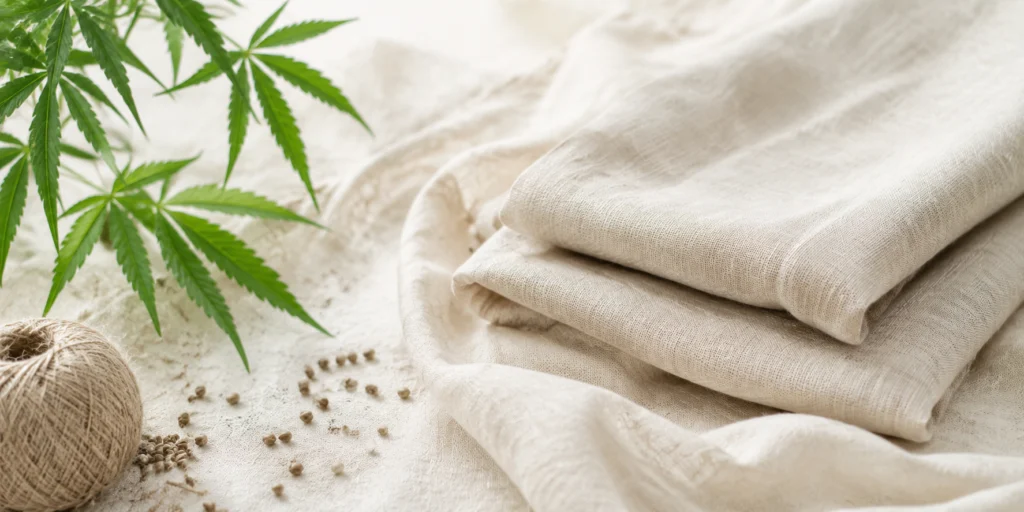
Hemp Fabric Definition
If you have ever wondered what hemp fabric is, you might be surprised to learn it comes from one of the most versatile plants on earth. Hemp has been used for textiles for over 10,000 years — ancient civilizations from China to Mesopotamia wove it into clothing, sails, and rope. Today, hemp fabric is experiencing a renaissance as consumers and brands alike seek sustainable alternatives to water-intensive cotton and petroleum-based synthetics.
Let’s break down what makes hemp fabric so special:
Hemp is a natural bast fiber, extracted from the stalk of the Cannabis sativa plant.
The fibers are long, strong, and become increasingly soft with wear and washing.
Hemp fabric is highly breathable, naturally regulating body temperature in both warm and cool conditions.
It has inherent antimicrobial and antibacterial properties, resisting odor and bacterial growth.
The fabric provides natural UV protection, blocking up to 95% of harmful ultraviolet rays.
- Hemp cultivation requires minimal water, zero pesticides, and actively regenerates the soil it grows in.
Here’s a quick look at the technical side of hemp fabric:
Feature | Description |
|---|---|
Fiber Source | Extracted from the bast (outer stalk) of Cannabis sativa plants grown for industrial use |
Characteristics | Exceptional tensile strength (3x stronger than cotton), breathable, antimicrobial, UV-resistant, biodegradable |
Manufacturing Process | Retting → breaking → scutching → hackling → spinning → weaving or knitting |
Sustainability Profile | Requires ~50% less water than cotton; zero pesticides needed; improves soil structure; fully biodegradable |
You might ask, what is hemp fabric compared to other natural fibers? The answer is compelling. Hemp combines the breathability of linen with a durability that exceeds cotton by a wide margin — and it does all of this with a fraction of the environmental cost. That’s why leading sustainable sleepwear brands are increasingly turning to hemp.
How is Hemp Fabric Made?
Now that you know what hemp fabric is, let’s look at how manufacturers transform a towering green plant into the soft, breathable fabric used in sleepwear. The process has been refined over millennia, but modern technology has made the end result softer and more consistent than ever before.
Here’s a step-by-step look at how hemp fabric comes to life:
Cultivation and Harvesting: Industrial hemp grows rapidly — reaching 10-15 feet in just 3-4 months. Unlike cotton, it requires no pesticides and roughly half the water. When the stalks are mature, farmers cut them and leave them in the field.
Retting: The cut stalks are left in the field where natural moisture and microorganisms break down the pectin that binds the fibers to the woody core. This process, called dew retting, typically takes 2-3 weeks. Water retting (submerging stalks in water) produces finer fibers but requires more resources.
Breaking and Scutching: Once retted, the stalks go through mechanical breakers that crush the woody inner core (the hurd) into small pieces. Scutching machines then separate the long, valuable bast fibers from the broken hurd pieces through a beating and scraping process.
Hackling (Combing): The separated fibers pass through hackling machines — essentially large combs with progressively finer teeth. This aligns the fibers, removes remaining impurities, and separates the longest, strongest fibers from the shorter ones. The long fibers (line fibers) go to fine textiles; the short fibers (tow) go to rope and coarser fabrics.
Spinning: The hackled fibers are spun into yarn. Modern spinning techniques, including wet spinning and enzyme treatments, can produce hemp yarn that rivals the softness of cotton and linen. Many manufacturers blend hemp with organic cotton or TENCEL™ at this stage to create fabrics with the best properties of both fibers.
Weaving or Knitting: The hemp yarn is woven or knitted into fabric. A plain weave creates a crisp, linen-like hand feel, while knit constructions yield a softer, drapier fabric more suitable for sleepwear. The weave structure heavily influences the final texture.
Finishing: The raw hemp fabric undergoes finishing treatments — enzyme washes, mechanical softening, or bio-polishing — to enhance softness and reduce the initial stiffness associated with hemp. These treatments make the fabric ready for garment production.
Here’s a simple table to show the material stages:
Stage | Material Form |
|---|---|
Raw Plant | Cannabis sativa stalks (10-15 ft tall) |
After Retting | Separated fiber bundles |
After Scutching | Clean long bast fibers |
Final Yarn | Spun hemp yarn (100% or blended) |
Final Yarn | Woven or knitted hemp textile |
When you wear a pair of hemp pajamas, you’re experiencing the result of a process that transforms a fast-growing, low-impact plant into one of the most durable and breathable textiles available. That’s why hemp fabric is winning over designers, brands, and consumers who care about both quality and sustainability.
Tip: If you want sleepwear that performs across seasons and outlasts conventional fabrics, hemp is the smart investment. The fabric starts slightly crisp like linen and evolves into a uniquely soft, personalized drape that reflects how you wear and wash it.
Hemp Fabric Features
Breathability and Temperature Regulation
When you sleep in hemp fabric, you notice the difference immediately. Hemp fibers have a hollow core structure that creates natural capillary action — pulling moisture away from your skin and releasing it into the air. This means you stay dry and comfortable, whether it’s a humid July night or a cool October evening.
Many people describe hemp sleepwear as feeling pleasantly cool in summer yet insulating in winter. Here’s why:
The porous structure of hemp fibers traps air, creating a natural insulation layer that adjusts to your body temperature.
Hemp wicks moisture faster than cotton — roughly 4-5 times more absorbent by weight — so you never wake up feeling clammy.
The breathability of hemp reduces the “greenhouse effect” that synthetic fabrics create against your skin, making it ideal for hot sleepers.
- Unlike synthetic cooling fabrics that rely on chemical treatments, hemp’s temperature regulation is 100% natural and permanent — it never washes out.
The breathability and temperature-regulating properties of hemp make it a top choice for sleepwear that works in all four seasons. You get natural climate control without synthetic chemicals or coatings.
Durability and Longevity
You want sleepwear that lasts, and this is where hemp truly excels. Hemp fibers are among the strongest natural fibers on earth — approximately three to eight times stronger than cotton fibers, depending on the specific variety and processing method. This translates directly into garment longevity.
Here are some reasons why hemp fabric stands out for durability:
Hemp fibers actually become stronger when wet, unlike cotton which weakens. This means your hemp pajamas hold up through hundreds of wash cycles without thinning.
The long fiber length (typically 1-5 meters for line hemp versus 1-3 centimeters for cotton) means fewer fiber ends protruding from the yarn — less pilling, less fraying, and less surface wear.
Hemp fabric resists abrasion better than both cotton and linen. A hemp garment can last 2-3 times longer than a comparable cotton garment with equivalent care.
- Natural resistance to mold, mildew, and UV degradation means hemp sleepwear doesn’t break down from moisture exposure or sunlight the way other natural fibers can.
The durability of hemp fabric means your sleepwear investment pays off over years, not months. While a cotton pajama set might show significant thinning after 2-3 years of regular use, a hemp set maintains its integrity and actually improves — getting softer with each wash while holding its strength.
Antimicrobial and Hypoallergenic
You might not think about bacteria when shopping for pajamas, but your sleepwear spends 7-9 hours a night against your skin. Hemp fabric offers natural protection you don’t get from cotton or synthetics:
Hemp fibers naturally resist the growth of bacteria, fungi, and mold — this isn’t a chemical treatment; it’s inherent to the fiber’s structure and chemical composition.
The antimicrobial properties mean your hemp pajamas stay fresher between washes, making them ideal for travel, warm climates, or simply extending the time between laundry days.
Hemp is hypoallergenic and gentle on sensitive skin. Unlike synthetic fabrics that can trap irritants, hemp’s breathable structure allows skin to function normally.
- The natural UV resistance of hemp (blocking up to 95% of UV rays) adds an extra layer of protection if you’re lounging outdoors in your sleepwear on a sunny morning.
If you have sensitive skin, eczema, or simply want sleepwear that stays fresh naturally, the antimicrobial and hypoallergenic properties of hemp fabric offer meaningful advantages that cotton and synthetics can’t match without chemical additives.
Sustainability and Environmental Impact
You care about where your clothes come from, and hemp fabric has one of the most compelling sustainability stories in the textile industry:
Water efficiency: Hemp requires approximately 300-500 liters of water to produce 1 kg of fiber. Cotton requires roughly 10,000 liters for the same amount. That’s a 20x difference.
No pesticides: Industrial hemp is naturally resistant to pests and grows so densely that it crowds out weeds. No herbicides, no insecticides, no fungicides — zero chemical inputs during cultivation.
Soil regeneration: Hemp has deep taproots that break up compacted soil, and it returns 60-70% of the nutrients it takes from the soil back through leaf drop. Farmers often use hemp as a rotation crop to restore fields between other plantings.
- Carbon sequestration: Hemp is one of the fastest CO₂-to-biomass conversion plants on earth. One hectare of industrial hemp can absorb approximately 15 tons of CO₂ during its 3-4 month growing cycle — more than most forests achieve in a year.
Land efficiency: Hemp produces 2-3 times more fiber per acre than cotton, meaning less land is needed to produce the same amount of fabric.
Full biodegradability: 100% hemp fabric, when it eventually reaches the end of its long life, biodegrades completely — returning to the earth without leaving microplastic pollution.
The sustainability profile of hemp fabric stands unmatched among mainstream textile fibers. When you choose hemp sleepwear, you’re choosing a material that gives back to the environment at every stage — from field to fabric to eventual disposal.
Hemp Fabric vs Other Fabrics
Hemp vs Cotton
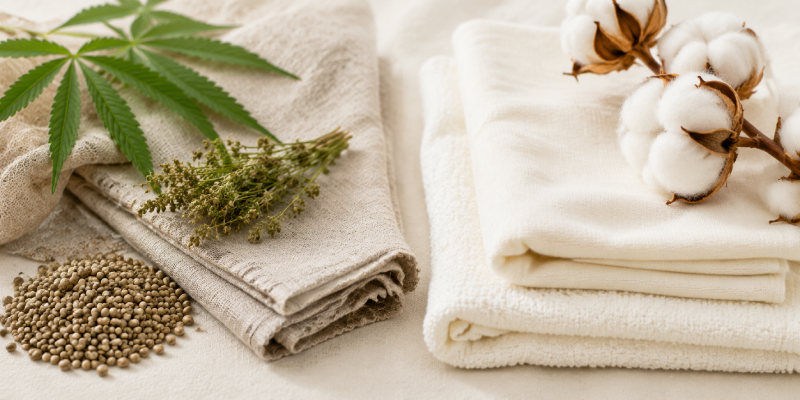
You might wonder how hemp stacks up against cotton — the world’s most common natural fiber. Both are plant-based, but their performance and environmental profiles differ dramatically. Cotton feels soft right out of the package and is familiar to everyone. Hemp starts slightly crisp but softens with every wash, eventually surpassing cotton’s comfort while maintaining far greater durability.
Here’s a quick comparison to help you decide:
Feature | Hemp | Cotton |
|---|---|---|
Water Required (per kg fiber) | ~300-500 liters | ~10,000 liters |
Pesticide Requirement | Zero | 16% of global pesticide use |
Tensile Strength | 3-8x stronger than cotton | Moderate, weakens when wet |
Initial Softness | Slightly crisp, linen-like | Soft immediately |
Long-Term Softness | Continuously softens with washing | Gets softer then gradually thins |
Breathability | Excellent (hollow fiber structure) | Good |
Lifespan | 5-10+ years with proper care | 2-5 years |
Biodegradability | 100% biodegradable | 100% biodegradable (if organic) |
Antimicrobial | Naturally antimicrobial | No inherent antimicrobial properties |
Tip: If you want pajamas that start comfortable and stay comfortable for years — while supporting dramatically lower-impact agriculture — hemp outpaces cotton on nearly every metric except initial softness, which closes the gap after a few washes.
Hemp vs Linen
Linen and hemp are often compared because both are bast fibers that share a similar crisp hand feel and excellent breathability. But they are not the same. Linen comes from the flax plant; hemp comes from cannabis. Both are sustainable, but hemp outperforms on strength, durability, and cultivation impact.
Check out this table for a side-by-side look:
Property | Hemp | Linen |
|---|---|---|
Fiber Source | Cannabis sativa stalk | Flax plant stem |
Tensile Strength | 3x stronger than cotton | 2x stronger than cotton |
Water Requirement | Very low | Moderate |
Cultivation Footprint | Grows in diverse climates, regenerates soil | Requires specific temperate climates |
Texture Evolution | Softens significantly with wear | Softens moderately with wear |
Wrinkle Resistance | Moderate (less than linen) | Low (wrinkles easily) |
Cost | Moderate (increasing as supply scales) | Higher (limited growing regions) |
Environmental Certifications | Organic hemp certification available | European Flax® certification standard |
If you want sleepwear with the breezy feel of linen but better durability, less wrinkling, and a softer evolution over time, hemp is the superior choice. Linen works beautifully for dress shirts and summer suits; hemp excels in sleepwear where both breathability and long-term softness matter.
Hemp vs Bamboo
Bamboo fabric has surged in popularity, especially in sleepwear. But it’s important to understand the difference between the plant and the fabric. Most “bamboo” textiles on the market are actually bamboo viscose or rayon — a semi-synthetic fiber produced through chemical processing. Hemp, by contrast, goes through mechanical processing that preserves the natural fiber structure.
Here’s how they compare:
Feature | Hemp | Bamboo Viscose |
|---|---|---|
Processing | Mechanical (retting, breaking, spinning) | Chemical (viscose process using carbon disulfide and sodium hydroxide) |
Natural Fiber Integrity | Fully intact natural fiber | Regenerated cellulose (fiber reconstituted) |
Strength | Exceptionally strong | Moderate; weaker when wet |
Moisture-Wicking | Excellent (natural capillary action) | Very good |
Antimicrobial | Naturally inherent to fiber | May retain some bamboo properties; varies by processing |
Softness | Softens gradually with wear | Soft immediately |
Environmental Processing Impact | Low (mechanical) | Moderate to high (chemical-intensive) |
Biodegradability | Fully biodegradable | Biodegradable, but chemical residues vary |
Bamboo viscose delivers immediate softness that consumers love, but at the cost of chemical processing. Hemp takes a few washes to reach peak softness but achieves it without compromising the fiber or the environment. Many premium sleepwear brands now blend hemp with organic cotton or TENCEL™ to deliver the best of both worlds: hemp’s strength and sustainability with the immediate softness that customers expect at first touch.
Note: If you want pajamas with the greenest possible footprint and don’t mind a short break-in period, pure hemp is unbeatable. If you want sustainability with day-one softness, a hemp-organic cotton or hemp-TENCEL™ blend is the sweet spot.
Friendtex Hemp Sleepwear
Product Highlights
You want sleepwear that performs, lasts, and reflects your brand’s commitment to sustainability. Friendtex brings the benefits of hemp fabric to a growing collection of sleepwear pieces designed for comfort and responsibility. As a vertically integrated manufacturer with 15+ years of sleepwear expertise, Friendtex offers hemp and hemp-blend options that combine natural performance with premium manufacturing standards.
You can explore hemp fabric applications across multiple sleepwear categories. The most common uses of hemp in the Friendtex portfolio include:
Hemp-Organic Cotton Blend Pajama Sets
Hemp Summer Nightgowns
Hemp Loungewear Sets
- Hemp Robes
Here’s a quick list of the hemp sleepwear types available through Friendtex:
Hemp pajama sets (long-sleeve and short-sleeve)
Hemp-blend nightgowns
Hemp loungewear
- Hemp robes
These products demonstrate how well hemp adapts to modern sleepwear design — delivering the benefits of this ancient fiber through contemporary styling and construction.
Design and Comfort
You notice the difference as soon as you touch a Friendtex hemp-blend garment. Unlike the coarse hemp sacks of history, modern hemp sleepwear has been finished to a smooth, comfortable hand feel that only improves with age. Each piece features thoughtful design details: relaxed silhouettes that maximize hemp’s natural breathability, flatlock seams that prevent skin irritation, and adjustable drawstrings that accommodate natural body changes.
The fabric construction is where Friendtex’s expertise shines. Pure hemp can feel stiff initially; that’s why Friendtex uses optimized hemp-organic cotton blends (typically 55% hemp, 45% organic cotton) — or hemp-TENCEL™ blends — that feel soft on day one while retaining hemp’s durability, breathability, and sustainability advantages. The result is sleepwear that wears cool, breathes naturally, and evolves into your softest, most comfortable garment over months of use.
Why Choose Friendtex?
You want a manufacturing partner who understands both fiber science and sleepwear construction. Friendtex brings deep technical knowledge to hemp fabric processing — optimizing enzyme washes, mechanical softening, and blend ratios to produce hemp sleepwear that competes on comfort with any fabric on the market while delivering environmental credentials your customers increasingly demand.
Friendtex holds certifications including OEKO-TEX® Standard 100, GOTS, and ISO, ensuring that every hemp garment meets rigorous safety and quality standards. The company’s commitment to responsible manufacturing means your hemp sleepwear collection is backed by transparent supply chain practices, from fiber sourcing through finished product.
Caring for Hemp Fabric
Washing and Drying Tips
You want your hemp pajamas to last and keep getting softer, so proper care makes a real difference. Start by checking the care label, but here are general guidelines that work well for hemp sleepwear:
Wash your hemp sleepwear in cold or warm water (up to 40°C/104°F). Hemp fibers actually strengthen when wet, so machine washing is safe and effective.
Choose a gentle or normal cycle. Hemp’s natural durability means it doesn’t require delicate handling — the fibers can take regular washing without degradation.
Use a mild, eco-friendly detergent. Harsh chemicals are unnecessary; hemp’s antimicrobial properties mean it cleans effectively with gentle soaps.
Skip the fabric softener entirely. It coats the hollow fibers and reduces hemp’s natural breathability and moisture-wicking ability.
Wash hemp items with similar colors for the first few washes, as natural dyes may release slightly more than synthetic ones.
When it’s time to dry:
Tumble dry on low heat or air dry. Hemp dries quickly naturally — faster than cotton — due to its moisture-wicking fiber structure.
Remove promptly from the dryer to minimize wrinkling. While hemp wrinkles less than linen, it still benefits from being folded or hung immediately.
If air drying, hang in a well-ventilated area. Hemp’s natural antimicrobial properties mean it won’t develop musty odors even with slower drying.
Tip: Avoid high heat drying. While hemp fibers themselves resist heat damage better than cotton, high heat can cause shrinkage in any natural fiber and accelerate color fading.
Maintaining and Enhancing Softness
You love the idea of fabric that gets better with time — and hemp delivers on that promise. Here’s how to care for hemp fabric and accelerate its natural softening process:
1. Embrace the break-in period. Hemp fabric starts with a crisp, linen-like feel. This is normal and temporary. After 3-5 washes, you’ll notice a significant softening. After 10-15 washes, it reaches its peak softness — and stays there.
2. Use the washing machine as your softening tool. Each wash cycle naturally breaks down the pectin and lignin in hemp fibers at a microscopic level, making the fabric progressively softer. You don’t need special treatments — regular washing does the work.
3. Try a vinegar rinse. Add half a cup of distilled white vinegar to the rinse cycle once a month. This naturally breaks down any residual stiffness without coating the fibers the way fabric softeners do.
4. Mechanical softening between washes. If a hemp garment feels slightly stiff after air drying, a few minutes of gentle handling — folding, shaking out, or even a short low-heat tumble with wool dryer balls — restores the soft drape.
5. Don’t overwash. Because hemp is naturally antimicrobial and odor-resistant, you can often wear it 2-3 times between washes, unlike cotton or synthetics. Less washing means less mechanical stress, and the fabric stays softer longer.
6. Avoid bleach and harsh stain removers. Hemp’s natural color (ranging from creamy white to light tan) takes dyes beautifully, but harsh chemicals can weaken the fibers and strip natural oils that contribute to softness.
If you follow these simple steps, your hemp pajamas will reward you with a unique, personalized softness that no factory finish can replicate. Each wash makes them a little more yours — a quality that synthetic fabrics can never match.
Conclusion
Hemp fabric pajamas give you exceptional breathability, natural temperature regulation, and sustainability credentials that no other mainstream textile can match. The fiber starts strong and only gets better — stronger when wet, softer with each wash, and durable enough to outlast cotton pajamas by years. Friendtex stands out as a manufacturer who understands both the technical demands of hemp processing and the design expectations of modern sleepwear, with certifications that back up every sustainability claim.
If you want lasting comfort and a genuinely lower-impact wardrobe, remember these care tips:
Wash in cold or warm water with mild detergent.
Skip fabric softener — it blocks hemp’s natural breathability.
Tumble dry low or air dry for best results.
- Give it 3-5 washes to reach its softening sweet spot — and enjoy the journey.
Treat yourself to the natural performance of Friendtex hemp sleepwear and experience a fabric that works with your body, not against it.
FAQ
What makes hemp fabric different from cotton?
You get three key differences. First, hemp is dramatically stronger — about 3-8 times the tensile strength of cotton — so your hemp pajamas last years longer. Second, hemp cultivation uses roughly 5% of the water that cotton requires and needs zero pesticides. Third, hemp softens with age, while cotton eventually thins and degrades.
Does hemp fabric feel scratchy?
You might expect scratchiness based on old associations, but modern hemp sleepwear is nothing like the rough hemp sacks of history. Enzyme washes and mechanical finishing produce a smooth, comfortable hand feel right away, and after 3-5 machine washes, the fabric reaches a softness that rivals your favorite worn-in cotton tee — but with better breathability.
Can you wear hemp pajamas year-round?
You can absolutely wear hemp pajamas in every season. Hemp’s hollow fiber structure and natural breathability keep you cool in summer. In winter, the same structure traps a layer of warm air against your skin — like a natural thermostat. It’s one of the few fabrics that genuinely works across all four seasons.
Is hemp fabric sustainable?
Hemp is widely considered one of the most sustainable textile fibers available. It grows in 3-4 months with minimal water (300-500 liters per kg of fiber vs. cotton’s 10,000 liters), requires zero pesticides, regenerates soil health, sequesters significant CO₂ during growth, and is fully biodegradable at end of life. Choosing organic-certified hemp ensures sustainable practices through the entire supply chain.
Do hemp pajamas shrink after washing?
You don’t need to worry about significant shrinkage with hemp. The fibers are dimensionally stable and resistant to heat, so shrinkage is minimal — typically 1-3% after the first wash, similar to or less than cotton. Washing in cold or warm water and avoiding high-heat drying keeps shrinkage negligible.
How does Friendtex ensure hemp fabric quality?
Friendtex sources hemp fibers from certified suppliers and applies optimized finishing processes — including controlled enzyme washes and mechanical softening — to produce hemp and hemp-blend fabrics that meet OEKO-TEX® Standard 100 certification. Every batch undergoes quality testing for colorfastness, shrinkage, tensile strength, and hand feel before entering garment production. This ensures your hemp sleepwear collection delivers consistent quality that your customers can rely on.