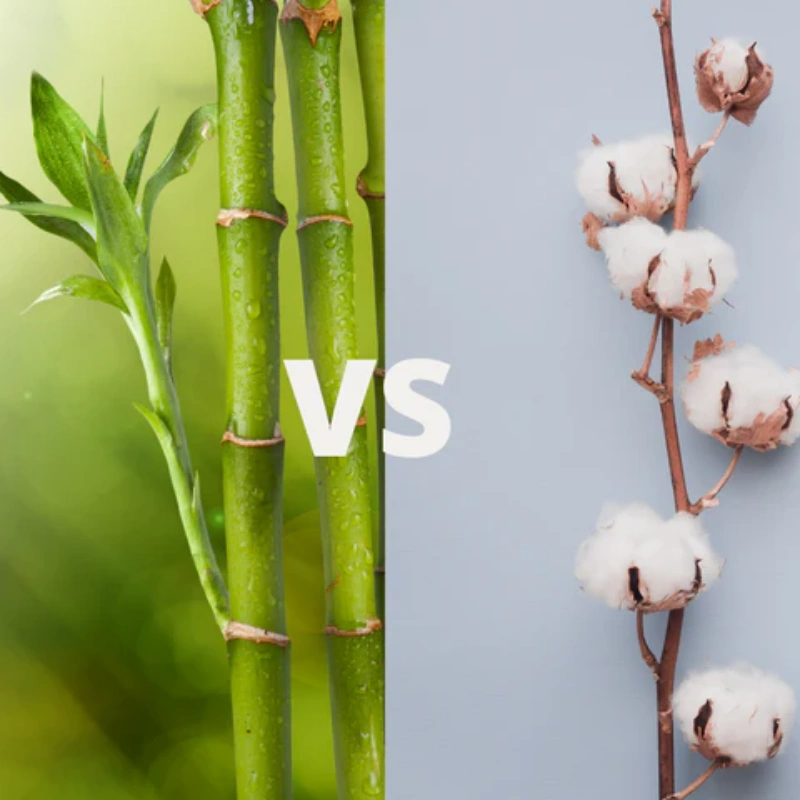
If you want the best sleepwear, you probably wonder about bamboo vs pima cotton. Friendtex knows comfort matters most, but you also want pajamas that feel soft, breathe well, and care for your skin. Many people choose based on how the fabric feels, how it handles temperature, and how it stands up to washing.
You should also consider eco-friendliness and overall value. Friendtex’s high-quality bamboo and pima cotton pajamas make it easy to find sleepwear that matches your needs and your values.
Key Takeaways
Bamboo pajamas offer a silky, smooth feel and excellent moisture management, making them ideal for hot sleepers.
Pima cotton pajamas provide exceptional softness and breathability, perfect for those who prefer a plush, luxurious touch.
Both fabrics are hypoallergenic, making them suitable for sensitive skin and helping to reduce irritation during sleep.
Bamboo sleepwear is more eco-friendly, requiring less water and chemicals in production compared to Pima cotton.
Proper care can extend the lifespan of your pajamas, with bamboo lasting up to 20 years and Pima cotton lasting 2-5 years.
Comfort Comparison
Bamboo Comfort

When you slip into bamboo pajamas from Friendtex, you notice the difference right away. The fabric feels incredibly smooth and gentle against your skin. Many people say bamboo is even softer than cotton. You get a cool, silky touch that makes bedtime feel special.
Bamboo fibers deliver a consistently high level of comfort, so you can count on that soft feel every night. Dr. Maria Rodriguez, a textile safety researcher, points out that bamboo viscose is one of the safest and most comfortable fabrics for sleepwear.
You also benefit from bamboo’s natural ability to manage moisture and regulate temperature, which helps you stay comfortable in any season.
Bamboo pajamas feel smooth and cool.
The fabric is gentle for sensitive skin.
You enjoy comfort that lasts all night.
Pima Cotton Comfort
Pima cotton pajamas from Friendtex offer a different kind of luxury. When you touch Pima cotton, you feel a plush, almost creamy texture. This premium cotton stands out for its exceptional softness and breathability. Pima cotton is also naturally hypoallergenic, so it works well for people with sensitive skin.
You get pajamas that feel light and airy, making it easy to relax and unwind. The comfort of Pima cotton can vary with the weave, but Friendtex uses only the finest quality for a truly luxurious experience.
Pima cotton feels plush and breathable.
The fabric is gentle and hypoallergenic.
You get comfort that feels natural and soothing.
Softness for Sleepwear

Both bamboo and Pima cotton pajamas from Friendtex deliver softness that lasts. Bamboo viscose stands out for its silky, smooth touch and moisture management, while Pima cotton offers a plush, breathable feel that pampers your skin.
You can choose either fabric and enjoy a restful night’s sleep, knowing your pajamas will stay soft and comfortable wash after wash.
Tip: If you want pajamas that feel soft and luxurious every night, you can’t go wrong with either bamboo or Pima cotton from Friendtex.
Breathability & Cooling
Bamboo vs Cotton
When you compare bamboo vs cotton pajamas from Friendtex, you notice a big difference in how each fabric handles airflow and moisture. Bamboo pajamas let air move freely, so you stay cool and dry.
Cotton pajamas also breathe well, but they can hold onto moisture, which sometimes leaves you feeling damp. Textile research shows that bamboo fabrics have higher moisture vapor resistance because of their hygroscopic nature.
This means bamboo fibers help air and moisture pass through, keeping you comfortable all night.
Bamboo pajamas offer better breathability.
Cotton pajamas absorb moisture but may feel clammy after sweating.
Hot Sleepers
If you often wake up hot or sweaty, you want sleepwear that helps you stay cool. Friendtex bamboo pajamas work well for hot sleepers. Bamboo absorbs 60% more moisture than cotton, so your skin stays dry.
The fabric keeps your skin 2-3°C cooler than cotton, giving you a refreshing sleep environment. Bamboo also has antibacterial properties, which help reduce odor and skin irritation. You get a fresh and comfortable night’s sleep, even in summer.
Feature | Bamboo Fabric Performance | Impact on Summer Comfort |
|---|---|---|
Moisture Absorption | Absorbs 60% more moisture than cotton | Keeps skin dry and comfortable |
Temperature Regulation | Keeps skin 2-3°C cooler than cotton | Provides a cool sleep environment |
Antibacterial | Reduces odor and irritation | Enhances comfort and freshness |
Moisture-Wicking
Moisture-wicking is important for sleepwear, especially if you sweat at night. Bamboo pajamas from Friendtex wick moisture away from your skin, allowing it to evaporate quickly. This keeps you dry and comfortable.
Pima cotton pajamas absorb moisture, but sometimes they hold onto it, which can make you feel damp. Bamboo adapts to your body temperature, keeping you warm in winter and cool in summer. You get pajamas that work for every season.
Fabric Type | Moisture-Wicking | Temperature Regulation |
|---|---|---|
Bamboo | Superior | Keeps cooler in heat, provides warmth in cold |
Cotton | Absorbs moisture | Breathable, but can leave a damp feeling |
If you care about breathability and temperature regulation, bamboo pajamas from Friendtex are a top choice. You get sleepwear that keeps you cool, dry, and comfortable, no matter the season.
Tip: For hot sleepers or anyone who wants to stay fresh all night, bamboo pajamas offer the best cooling and moisture-wicking performance.
Skin Sensitivity
Hypoallergenic Fabrics
If you have sensitive skin, you know how important it is to choose sleepwear that won’t irritate. Both bamboo and Pima cotton fabrics from Friendtex are hypoallergenic, making them great choices for anyone who wants to avoid itchiness or redness at night.
Bamboo fabric offers a gentle, hypoallergenic touch. It’s especially helpful for people with eczema or dermatitis because its soft fibers minimize the risk of irritation. You’ll also find that genuine allergic reactions to bamboo fabric are extremely rare.
Most skin reactions come from additives, not the bamboo itself. A board-certified allergist even reported seeing fewer than five cases of true bamboo fiber sensitivity in 20 years.
Pima cotton, especially organic pima cotton, is also known for being safe for flare-prone skin. It breathes well, absorbs sweat, and feels gentle on eczema patches. You can trust both fabrics to keep your skin happy and comfortable.
Sensitive Skin
Let’s look at how bamboo and Pima cotton stack up for sensitive skin:
Bamboo is gentle on eczema and allergies.
Its fibers are less likely to make skin problems worse.
Natural antibacterial properties help reduce irritation.
Organic pima cotton is soft, gentle on the skin, and absorbs moisture.
Both fabrics allow your skin to breathe at night.
Here’s a quick comparison:
Feature | Bamboo Fabric | Pima Cotton |
|---|---|---|
Hypoallergenic Properties | Yes | Yes |
Moisture-Wicking | Yes | Moderate |
Antibacterial Effectiveness | Retains 70% effectiveness after 50 washes | Not specified |
Softness | Very soft, non-abrasive | Soft, gentle on skin |
Breathability | High | High |
Tip: If you struggle with allergies or skin sensitivity, you can feel confident choosing either bamboo or organic pima cotton pajamas from Friendtex.
Friendtex Pajamas

Friendtex designs pajamas with your comfort in mind. Their bamboo pajamas are naturally hypoallergenic and antibacterial, making them a smart pick for anyone with sensitive skin. You’ll notice how the fabric feels gentle on skin, even after many washes.
Friendtex’s organic pima cotton pajamas also offer a soft, breathable experience that helps prevent irritation. You can find styles for men, women, and kids, all made to support healthy, happy skin. With Friendtex, you get sleepwear that cares for your skin as much as you do.
Durability & Care
Washing & Maintenance
Taking care of your sleepwear keeps it soft and comfortable for years. Friendtex makes it easy for you to keep both bamboo and Pima cotton pajamas looking their best. Here’s how you can care for them:
Wash your pajamas in cold water on a gentle cycle.
Use a mild, eco-friendly detergent. Avoid harsh chemicals and bleach.
Skip fabric softeners to keep the natural softness.
Air dry your pajamas flat or hang them up. If you use a dryer, choose the lowest heat setting.
Iron on low heat with a cloth barrier if needed.
Store your pajamas in a cool, dry place away from sunlight.
These simple steps help protect the fibers and keep your pajamas feeling fresh. You don’t need any special products or complicated routines.
Long-Lasting Wear
You want pajamas that hold up to daily use and many washes. Friendtex bamboo pajamas can last up to 20 years if you care for them properly. That’s a long time to enjoy soft, breathable sleepwear. Pima cotton pajamas also have a strong reputation for durability.
Most people find that high-quality Pima cotton sleepwear lasts 2-3 years, and sometimes even up to 5 years with extra care. Both fabrics resist shrinking and fading when you follow the care instructions.
Here’s a quick look at how long each fabric can last:
Fabric Type | Average Lifespan (with proper care) |
|---|---|
Bamboo | Up to 20 years |
Pima Cotton | 2-5 years |
Tip: Always follow the care label on your Friendtex pajamas to get the most out of your sleepwear.
Friendtex Quality
Friendtex pajamas are built to last. You get premium fabrics, expert stitching, and attention to detail in every piece. Customers often say their Friendtex pajamas stay soft and comfortable, even after many washes.
The company’s commitment to quality means you can trust your sleepwear to look and feel great for a long time. Whether you choose bamboo or Pima cotton, you’re investing in pajamas that stand up to daily life and keep you cozy night after night.
Environmental Impact
Sustainable Fabrics
When you think about sustainability and environmental impact, you want to know your sleepwear comes from a responsible source. Friendtex makes it easy to choose a sustainable fabric for your pajamas. Both bamboo and Pima cotton fabric can be eco-friendly, but they have different stories.
Bamboo grows fast, needs little water, and does not require pesticides. Pima cotton fabric, on the other hand, is soft and luxurious but uses more resources. You can look for certifications to make sure your pajamas meet high standards for sustainability. Here are some you might see:
Global Organic Textile Standard (GOTS): This means your pajamas use at least 95% organic fibers.
Organic Content Standard (OCS): This checks the amount of organic material in your sleepwear.
USDA Organic: This label shows the cotton fabric is grown without harmful chemicals.
Oeko-Tex Standard 100: This tests bamboo sheets and pajamas for any harmful substances.
Forest Stewardship Council (FSC): This ensures bamboo comes from well-managed forests.
Choosing certified sleepwear helps you support a healthier planet.
Bamboo Pajamas
Bamboo pajamas stand out as an environmentally friendly choice. Bamboo grows quickly and does not need much water. You can feel good knowing that bamboo sheets and bamboo bedding use less water than cotton fabric. Environmental research shows that bamboo fabric production is much more water-efficient.
Bamboo sheets also need fewer chemicals, making them a sustainable fabric option. When you pick high-quality bamboo bedding or a premium bamboo sheet collection, you help reduce your impact on the earth.
Friendtex bamboo pajamas come with certifications like GOTS and Oeko-Tex, so you know you are getting a safe and eco-friendly product.
Certification | Description |
|---|---|
BSCl | Business Social Compliance Initiative |
WARP | Workers’ Rights Consortium |
SEDEX | Supplier Ethical Data Exchange |
GOTS | Global Organic Textile Standard |
You can trust Friendtex to deliver bamboo sheets and pajamas that support sustainability.
Cotton Fabric
Cotton fabric, especially Pima cotton, feels soft and lasts a long time. However, you should know that cotton fabric production uses a lot of water. Life cycle assessment studies show that cotton farming needs about 10,000 liters of water for every kilogram of cotton fabric.
The process also uses fertilizers, which can harm rivers and lakes. While Pima cotton fabric can be grown organically, it still has a bigger footprint than bamboo sheets. If you want to lower your impact, look for cotton fabric with certifications like GOTS or OCS.
Friendtex offers Pima cotton pajamas that meet these high standards, so you can enjoy comfort and support sustainability at the same time.
Tip: If you want to make a difference, choose sleepwear made from sustainable fabric and certified cotton fabric or bamboo sheets.
Price & Value
Cost Comparison
You want sleepwear that feels great but also fits your budget. When you look at bamboo and Supima cotton pajamas, you see a range of prices. Bamboo pajamas for women usually cost between $25.00 and $60.00.
Supima cotton pajamas often fall in a similar price range, especially for premium sets. Here’s a quick look at what you might pay:
Item Description | Price Range |
|---|---|
Women’s Bamboo Pajamas | $25.00 – $60.00 |
Kimmi 2 Piece Pajama Set | $25.00 – $58.00 |
Supima cotton pajamas offer luxury at a fair price. You get a soft feel and long-lasting wear. Bamboo pajamas give you eco-friendly comfort without breaking the bank. Friendtex lets you customize your sleepwear, so you can pick the style and price that works for you.
Supima Cotton vs Bamboo Sheets
When you compare Supima cotton vs bamboo sheets, you notice differences in softness, shrinkage, and fit. Supima cotton sheets feel softer because of their long-staple fibers.
They keep their shape after washing and rarely shrink. Bamboo sheets absorb moisture well, but they may shrink by more than 15% after washing. Sometimes bamboo sheets lose their fit after several washes. Here’s a table to help you see the differences:
Feature | Supima Cotton | Bamboo Sheets |
|---|---|---|
Softness | Softer, long-staple fibers | Highly absorbent, less soft |
Shrinkage | Minimal | Shrinks over 15% after washing |
Fit After Washing | Maintains fit | May lose fit after washes |
Supima cotton vs bamboo sheets is a common debate. Supima cotton sheets win for softness and durability. Bamboo sheets work well if you want moisture-wicking and eco-friendly options.
Investment in Sleepwear
You want pajamas that last and stay comfortable. Supima cotton pajamas resist pilling and keep their softness for years. Bamboo pajamas last a long time if you wash them gently. Supima cotton is easy to care for and keeps looking new. Bamboo needs a little more attention, but you get a cool, fresh feel every night.
Supima cotton: Durable, easy to maintain, keeps its shape.
Bamboo: Long-lasting, resists pilling with gentle care.
Friendtex gives you sleepwear that matches your needs. You can choose supima cotton for lasting luxury or bamboo for eco-friendly comfort. Both options offer great value, especially when you customize your pajamas to fit your style.
Tip: If you want sleepwear that feels good and lasts, supima cotton and bamboo pajamas from Friendtex are smart investments.
Bamboo vs Pima Cotton: Final Verdict
Best for Sleepwear
You want sleepwear that feels amazing, lasts a long time, and matches your values. When you look at bamboo vs pima cotton, you see two top choices. Both fabrics offer comfort, breathability, and style, but each has its own strengths.
Let’s break down the main advantages of bamboo vs pima cotton for sleepwear. Textile experts say bamboo pajamas stand out for their eco-friendly nature, moisture-wicking ability, and hypoallergenic properties.
Pima cotton pajamas shine with their exceptional softness, durability, and luxurious appearance. You might notice that bamboo pajamas feel cool and gentle, while Pima cotton pajamas feel plush and elegant.
Here’s a quick table to help you compare:
Feature | Pima Cotton | Bamboo Fabric |
|---|---|---|
Softness | Renowned for exceptional softness, likened to Egyptian cotton | Soft, but not as silky as Pima cotton |
Durability | Known for durability due to longer fibers, less prone to pilling | Less durable compared to Pima cotton |
Breathability | Highly breathable, better air circulation | Breathable, but slightly less than Pima cotton |
Absorbency | Excellent moisture-wicking properties | Good absorbency, but Pima cotton is preferred |
Appearance | Luxurious sheen and elegant look | Soft and versatile, but less luxurious |
You might wonder which fabric is best for sleepwear. If you want pajamas that feel silky, last for years, and look elegant, Pima cotton is a great pick. If you care about sustainability, want a cool and fresh feel, and have sensitive skin, bamboo pajamas are hard to beat.
Friendtex Recommendations
Choosing between bamboo vs pima cotton sleepwear depends on what matters most to you. Sleep specialists suggest you think about comfort, fit, maintenance, and natural benefits. Here’s a table to guide your decision:
Factor | Bamboo Pajamas | Pima Cotton Pajamas |
|---|---|---|
Fabric | Moisture-wicking, sustainable | Soft, breathable, hypoallergenic |
Fit | Should not be too tight to avoid discomfort | Should allow for natural movement during sleep |
Maintenance | Requires careful washing to maintain quality | Durable and maintains integrity with frequent washing |
All-Natural Benefits | Eco-friendly, luxurious texture | Exceptional moisture absorption and microbial resistance |
You might want bamboo pajamas if you sweat at night or have allergies. Bamboo pajamas from Friendtex keep you cool, dry, and comfortable. They also help the planet with their sustainable production.
If you prefer a classic, luxurious feel and want pajamas that last, Pima cotton pajamas are a smart choice. Friendtex offers both options, so you can pick what fits your lifestyle.
Customer satisfaction surveys show that people love cotton for its breathability, comfort, and easy care. Bamboo pajamas get high marks for their eco-friendly qualities and gentle touch. You can trust Friendtex to deliver sleepwear that meets your needs, whether you choose bamboo vs pima cotton.
Here are some practical tips to help you decide:
Choose bamboo pajamas if you want eco-friendly sleepwear, moisture-wicking comfort, and hypoallergenic benefits.
Pick Pima cotton pajamas if you value softness, durability, and a luxurious look.
Think about how you sleep. Hot sleepers often prefer bamboo, while those who want plush comfort may lean toward Pima cotton.
Consider maintenance. Bamboo needs gentle care, while Pima cotton stands up to frequent washing.
Tip: You don’t have to compromise. Friendtex lets you customize your sleepwear, so you get the perfect fit, style, and fabric for your needs.
No matter which you choose in the bamboo vs pima cotton debate, you’ll enjoy premium sleepwear designed for comfort, quality, and sustainability. Friendtex stands behind every pair, making sure you sleep well and feel good about your choice.
Conclusion
You want sleepwear that feels great and supports a clean and healthy sleep environment. Bamboo pajamas from Friendtex work well if you care about eco-friendly comfort and have sensitive skin. Pima cotton pajamas give you a plush, classic feel and last for years.
Think about your needs—do you want cooling, moisture-wicking fabric or a soft, luxurious touch? Friendtex lets you customize your pajamas, so you always get the perfect fit for your lifestyle.
FAQ
What makes bamboo pajamas a good choice for hot sleepers?
You stay cool in bamboo pajamas because the fabric breathes well and wicks away moisture. You will not wake up sweaty or uncomfortable. Bamboo helps regulate your body temperature, so you feel fresh all night.
Are Pima cotton pajamas safe for sensitive skin?
Yes, you can trust Pima cotton pajamas if you have sensitive skin. The fabric feels soft and gentle. It does not cause irritation or itchiness. Many people with allergies or eczema choose Pima cotton for this reason.
How do I care for my Friendtex sleepwear?
You should wash your pajamas in cold water on a gentle cycle. Use mild detergent. Air dry or tumble dry on low heat. This keeps your sleepwear soft and helps it last longer.
Is bamboo or Pima cotton better for eco-friendly cotton clothing?
If you want eco-friendly cotton clothing, both bamboo and Pima cotton offer sustainable options. Bamboo uses less water and grows quickly. Pima cotton, when grown organically, also supports a greener lifestyle.