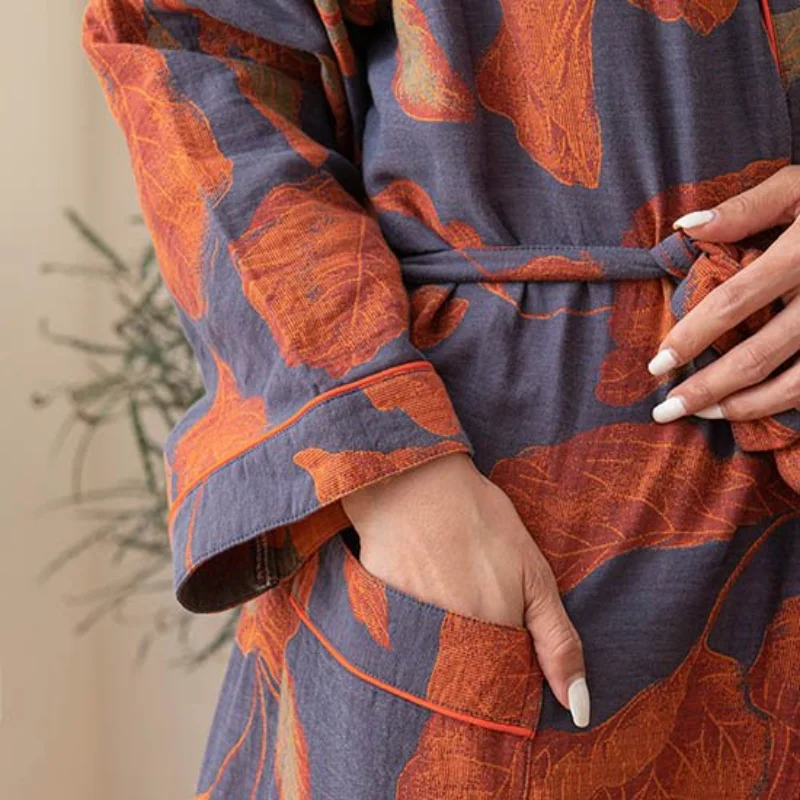
You want the best kimono robe fabrics for comfort all year round. Cotton feels soft and cool for spring, while silk shines in summer with its lightweight touch and breathability properties. Satin and heavier cotton keep you warm in fall and winter.
Japanese kimono robe styles use these premium fabrics for a reason—you get both comfort and elegance. Friendtex Kimono Robes for Women offer high-quality kimonos crafted with care using the finest kimono fabrics.
When choosing a kimono, consider your skin, climate, and daily routine. Finding the right kimono means matching the perfect fabric to your personal style and needs.
Key Takeaways
Choose kimono robe fabrics based on season and comfort to stay cozy and stylish all year.
Natural fabrics like cotton, silk, and bamboo offer softness, breathability, and moisture control.
Care for your robe properly by following fabric-specific washing and drying tips to keep it lasting longer.
Friendtex offers premium, eco-friendly fabrics with customizable sizes and styles for a perfect fit.
Traditional and modern kimono designs let you express your style while enjoying quality and comfort.
Kimono Robe Fabrics

Choosing the right kimono robe fabrics makes all the difference in how your robe feels, looks, and lasts. You want a robe that feels soft against your skin, keeps you comfortable in any season, and stands up to regular use.
Friendtex puts a lot of care into selecting premium robe fabrics, always keeping quality and sustainability in mind. You’ll notice the difference every time you slip into one of their robes.
Material Properties
When you look at kimono robe fabrics, you’ll see a range of options, each with its own unique qualities. Cotton stands out for its natural softness, breathability, and strong absorbency.
It’s hypoallergenic, so it’s gentle on sensitive skin. Cotton also comes in different textures, like smooth sateen or ribbed slub, giving you choices for both feel and style.
Silk kimono robes bring a touch of luxury to your wardrobe. Silk feels incredibly smooth and soft, almost like a second skin. It regulates temperature well, so you stay cool in summer and warm in winter. Silk also has excellent moisture-wicking, which means it pulls moisture away from your skin and keeps you feeling fresh.
Satin, often made from silk or cotton, offers a glossy, lightweight finish that’s perfect for lounging or special occasions. Satin and silk both have low water absorption, so they dry quickly but need delicate care.
Synthetic blends, like polyester, add durability and make care easier. These robe fabrics resist wrinkles and dry fast, but they don’t breathe as well as natural fibers. Friendtex also uses bamboo, which is naturally sustainable and offers softness, breathability, and moisture-wicking.
Bamboo is hypoallergenic and resists odors, making it a great choice for sensitive skin.
Here’s a quick look at the main kimono robe fabrics and their key properties:
Fabric Type | Key Material Properties |
|---|---|
Cotton | Natural, breathable, absorbent, hypoallergenic; available in smooth or textured finishes |
Silk | Smooth, soft, temperature-regulating, breathable, moisture-wicking, elegant appearance |
Satin | Smooth, glossy, lightweight, low water absorption; ideal for lounge wear and special occasions |
Synthetic Blends | Affordable, durable, wrinkle-resistant, easy care; less breathable and less moisture-wicking |
Bamboo | Sustainable, soft, breathable, moisture-wicking, hypoallergenic, odor-resistant |
You’ll find that Friendtex uses only the softest fabric for a robe, like premium cotton, Mulberry silk, and bamboo, to give you the best experience.
Comfort and Fit
You want your kimono robe to feel amazing every time you wear it. The comfort of your robe depends on both the fabric and the fit. Cotton robes are popular because they’re soft, breathable, and easy to care for. They work well for lounging, after a shower, or even for meditation.
Silk kimono robes feel luxurious and drape beautifully, making you feel elegant and comfortable at the same time. Satin robes offer a smooth, cool touch that’s perfect for relaxing or dressing up for a special event.
“Get this robe and you’ll be on comfy cloud nine. Not only will you feel luxuriously cozy, but the way this fabric falls on the body is so sensual as well! This silk really feels like a second skin, and matches body temperature perfectly. I just want to live in this.” – Amanda A.
Friendtex designs their robes with adjustable belts and a relaxed fit, so you can customize the fit for your body type. Whether you’re petite or plus-size, you’ll find a robe that flatters your shape and gives you freedom to move.
The softest fabric for a robe, like silk or bamboo, feels gentle on your skin and helps regulate your body temperature. Moisture wicking is another key feature—cotton, bamboo, and silk kimono robes all help manage moisture, keeping you dry and comfortable.
Customers love how Friendtex kimono robe fabrics combine softness, breathability, and moisture-wicking. You’ll notice the difference, whether you’re wearing your robe for a quiet morning or a special occasion.
Care and Maintenance
Taking care of your kimono robe fabrics helps them last longer and keeps them looking beautiful. Start by checking the fabric type. Cotton robes are easy to care for—just machine wash in cold water with a gentle detergent and air dry or tumble dry on low. Bamboo robes need similar care, and they dry quickly thanks to their moisture-wicking properties.
Silk kimono robes need a bit more attention. It’s best to hand-wash them or use professional dry cleaning to keep the fabric soft and shiny. Avoid bleach and direct sunlight, which can damage the fibers.
Satin robes should be washed on a delicate cycle inside a laundry bag and hung to dry. Always handle your robe with clean hands and avoid rough surfaces to prevent snags.
Here are some quick tips for caring for your robe fabrics:
Identify the fabric before washing.
Use gentle detergent and cold water for natural fibers.
Air dry or use low heat to prevent shrinking or fading.
Store your robe on a padded hanger to keep its shape.
For silk or delicate fabrics, consider professional cleaning.
Friendtex provides clear care instructions with every robe, so you can keep your kimono robe fabrics soft, vibrant, and comfortable for years. Their commitment to quality and sustainability means you get a comfortable robe fabric that’s easy to care for and built to last.
Best Robe Fabrics by Season
When you pick out a kimono robe, the season matters more than you might think. The right fabric keeps you comfortable, helps manage moisture, and makes your robe last longer. Let’s break down the best robe fabrics for each season so you can enjoy your kimono all year.
Spring Fabrics

Spring brings mild weather and changing temperatures. You want a robe that feels light but still cozy. Natural fibers like bamboo, cotton, and lightweight waffle weave work best.
These fabrics breathe well and help regulate your body temperature, so you don’t get too hot or too cold. Bamboo and cotton also absorb moisture, keeping you dry if the day warms up.
Here’s a quick look at what works for spring:
Season | Recommended Fabrics | Layering Approach | Key Benefit |
|---|---|---|---|
Spring | Lightweight waffle weave, bamboo, cotton | Light robe over thin, quick-dry inner layer | Flexibility and easy layering |
You’ll love how Friendtex kimono robes for women use soft, smooth fabrics with minimal seams. This design helps you relax and feel comfortable, even on breezy spring mornings. If you want extra flexibility, try layering a light robe over a thin, moisture-wicking inner layer.
Summer Fabrics
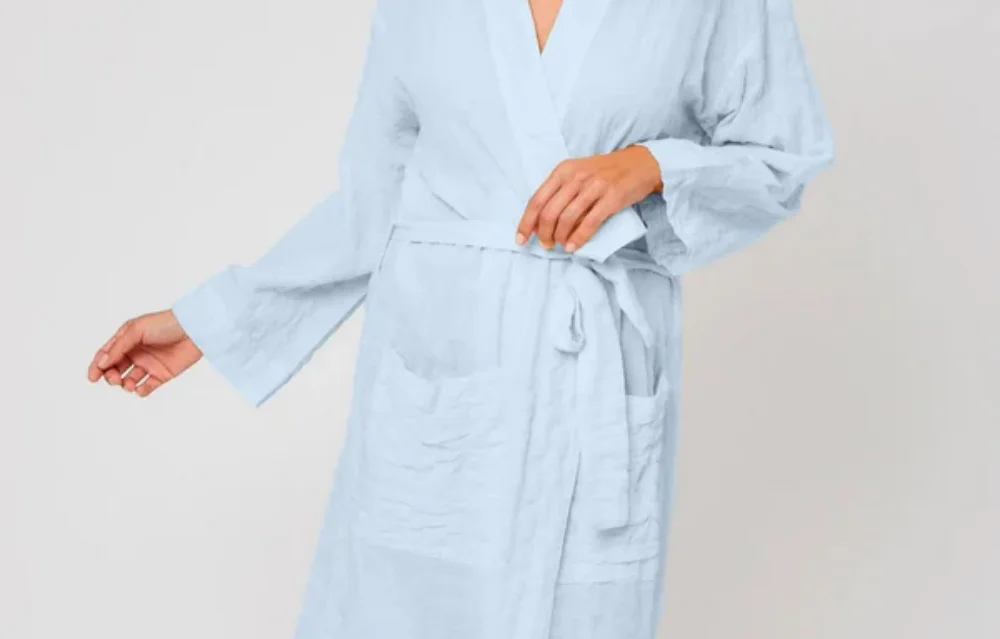
Hot weather calls for the coolest, most breathable robe fabrics. Summer kimonos made from 100% cotton are a top choice. Cotton feels soft, absorbs moisture, and lets your skin breathe. Many people also love organic Turkish cotton in a waffle weave for that spa-like softness.
If you want something with a silk-like feel, rayon blends and cotton-spandex mixes are great options. They’re lightweight, quick-drying, and help wick moisture away from your skin.
Cotton and cotton blends keep you cool and comfortable.
Rayon and spandex blends offer a smooth, lightweight touch.
Organic Turkish cotton and Egyptian cotton add a touch of luxury.
Friendtex offers summer kimonos in premium cotton and bamboo, so you stay fresh and dry even on the hottest days. Choosing fabric based on seasonality means you get the best robe fabrics for keeping cool and managing moisture during summer.
Fall Fabrics
As the air turns crisp, you want a robe that balances warmth and breathability. Fall kimono robes often use heavier cotton, terry cloth, or even silk. Heavier cotton and terry cloth provide insulation, trapping warmth while still letting your skin breathe.
Silk is a smart pick for fall because it adapts to your body temperature, offering both insulation and moisture-wicking.
Heavier cotton and terry cloth keep you warm.
Silk gives you temperature control and a touch of elegance.
Microfiber can work for those who want something soft and easy to care for.
Friendtex fall robes use premium cotton and silk, so you get a cozy feel without overheating. These fabrics help manage moisture as the weather shifts, making your robe perfect for lounging or layering.
Winter Fabrics

Winter kimonos need to keep you warm and comfortable. The best robe fabrics for winter include wool, cashmere, and sherpa. Cashmere robes feel soft and trap heat, but they also breathe, so you don’t get sweaty.
Merino wool and sherpa fabrics offer excellent insulation and moisture-wicking properties. Sherpa, in particular, is lightweight but super warm, and it’s also hypoallergenic and eco-friendly.
Cashmere and Merino wool provide warmth and softness.
Sherpa fabric keeps you cozy and dry, thanks to its moisture-wicking abilities.
Thicker cotton or silk blends work well for those who want a traditional look with extra warmth.
Friendtex winter kimonos use high-quality cotton and silk blends, giving you warmth without bulk. You’ll love how these fabrics hold in heat, wick away moisture, and feel soft against your skin. Remember, layering your robe over pajamas or loungewear adds even more insulation for chilly nights.
Tip: Always care for your robe based on its fabric. Gentle washing and air drying help preserve softness and color, so your kimono lasts season after season.
Choosing fabric based on seasonality isn’t just about comfort. It also helps your robe last longer and keeps you feeling your best, no matter the weather. When you pick the right robe fabrics for each season, you get the most out of your kimono—whether you’re relaxing at home or dressing up for a special moment.
Japanese Kimono Robe Style
Traditional Patterns
When you look at a Japanese kimono robe, you see more than just beautiful fabric. Each pattern tells a story and carries deep meaning. Traditional designs have been passed down for generations, and you can spot them on many classic robes. Here are some of the most common patterns you might find:
Crane (Tsuru): This bird stands for longevity, good fortune, and marital harmony. You often see cranes on wedding kimonos.
Pheasant (Kiji): This pattern means prosperity and courage. It’s a symbol of abundance and boldness.
Mandarin Ducks (Oshidori): These ducks represent lifelong partnership and balance. They show up on robes meant for happy marriages.
Heron (Sagi): Herons stand for wisdom and a strong connection to nature. You’ll see them in seasonal designs.
Phoenix: This mythical bird links to divine energy and justice. It also stands for harmony and national stability.
Seigaiha (Blue Ocean Waves): These waves mean peaceful seas and quiet strength.
Asanoha (Hemp Leaves): This pattern shows healthy growth and strong development, especially for children.
Yagasuri (Arrow Feathers): Arrow feathers bring protection and good luck, often given to brides.
Kikkô (Tortoise Shell): This hexagonal design stands for longevity and strength.
Shippo (Seven Treasures): This pattern means harmony and good relationships.
You’ll notice that a Japanese kimono robe often uses these patterns to share wishes for health, happiness, and success.
Modern Designs
Today, the Japanese kimonos have become a fashion favorite around the world. You can find robes made from lightweight fabrics like chiffon, silk, and cotton. These materials keep you comfortable and let your skin breathe. Designers now play with bold florals, abstract prints, and geometric shapes, moving beyond just traditional motifs.
You might see a japanese kimono robe styled over jeans, dresses, or even swimwear. Many modern robes come with belts or relaxed fits, so you can adjust them to your body. Some people love the bohemian look, choosing earthy tones and natural fabrics for a laid-back vibe.
Tip: Try layering your Japanese kimono robe with a graphic tee or a button-up shirt for a fresh, trendy look.
Modern styles let you express your personality while still honoring the roots of the Japanese kimonos robe. Whether you love classic patterns or want something bold and new, there’s a kimono robe out there for you.
Choosing Fabric Based on Seasonality
Climate and Use
When you pick out a kimono robe, your local climate and how you plan to use it matter a lot. If you live somewhere warm and humid, you’ll want lightweight cotton, linen, or bamboo. These fabrics breathe well and dry quickly, so you stay cool and comfortable.
For cooler places, thicker fabrics like terry cloth, flannel, or even wool keep you warm and cozy. Silk is a great all-rounder because it adapts to your body temperature, making it perfect for places where the weather changes often.
Here’s a quick guide to help you match fabric to your climate:
Climate Condition | Recommended Fabric Types | Key Properties and Benefits |
|---|---|---|
Warm, tropical, humid | Lightweight cotton, linen, microfiber, bamboo | Breathable, quick-drying, prevents overheating |
Cooler climates | Terry cloth, flannel, wool, velour | Dense, heavy, excellent heat retention and insulation |
Seasonal variations | Lightweight in summer; heavier in winter | Adapts to temperature changes for comfort |
Humid or active use | Synthetic blends (e.g., microfiber) | Moisture-wicking, quick evaporation of sweat |
Sensitive skin | Organic cotton, bamboo | Hypoallergenic, minimizes irritation |
You also want to think about how you’ll use your robe. Silk feels luxurious and works well for formal occasions or when you want to treat yourself. Cotton is perfect for everyday lounging because it’s easy to wash and lasts a long time.
Synthetic blends are great if you want something low-maintenance and quick-drying. Choosing fabric based on seasonality helps you get the most comfort and value from your kimono robe.
Personal Preferences
Your personal preferences play a big role in finding the right kimono. If you have sensitive skin, you might want to avoid wool and go for cotton, bamboo, or silk. These fabrics feel soft and gentle, so you won’t get itchy or uncomfortable.
Some people love the crisp, fresh feel of linen or hemp, especially in hot weather. Others prefer the smooth, elegant touch of silk for a bit of luxury.
Wool can feel itchy, so blends with cotton or silk are better for sensitive skin.
Linen, hemp, and ramie give you a cool, crisp feel that doesn’t stick to your skin.
Silk is smooth and soft, perfect for anyone who wants comfort and elegance.
Cotton is breathable and absorbs sweat, making it a favorite for warm weather.
Polyester is easy to care for but can feel clingy or hot, so it’s not for everyone.
Linen-cotton blends offer a nice balance of softness and breathability.
You might also care about style. Some people love bold patterns and bright colors, while others want something simple and classic. The good news? There’s a kimono robe for every taste and need. Just listen to your body and your style, and you’ll find the perfect match.
Best Material for Robes: Friendtex Features
Premium Fabrics
When you want the best material for robes, you should look for fabrics that feel soft, last long, and keep you comfortable in every season. Friendtex uses only premium materials in its kimono robes. You’ll notice the difference right away. Here’s what sets their fabrics apart:
Mulberry silk gives you a luxurious feel and stands up to daily wear.
The silk keeps you cool in summer and warm in winter, so you can enjoy your robe all year.
Strong stitching and quality trims make each robe durable and resistant to wear.
Friendtex holds certifications like GOTS, TUV, ISO, and OEKO-TEX, showing their commitment to eco-friendly and safe production.
You get clear care instructions, so your robe stays beautiful wash after wash.
If you want high-quality kimonos that meet strict industry standards, Friendtex delivers every time.
Customization Options
You might want your robe to feel unique or match your personal style. Friendtex makes it easy to create custom kimonos that fit your vision. You can choose from a wide range of colors, add embroidery, or even include your own logo.
These options let you design a robe that feels truly yours. Whether you want a simple look or something bold, Friendtex helps you stand out. Custom kimonos also make thoughtful gifts or special pieces for events.
Want a robe that matches your favorite color or features your initials? Friendtex can make it happen with their flexible customization options.
Size and Fit Range
Finding the best material for robes is important, but getting the right fit matters just as much. Friendtex offers a wide range of sizes and fits for everyone. Women’s robes come in jackets, shorts, long, and sizes, fitting up to US size 18 and above. Men’s robes go up to XXXL and even larger.
You can pick from different lengths, from 35 inches for jackets to 56 inches for long robes. Friendtex uses real measurements, not just brand size numbers, so you get a robe that fits your body perfectly. You can also choose sleeve styles and adjust the wrap for comfort. This focus on fit means you always feel confident and relaxed in your robe.
Care Tips for Kimono Robes
Taking care of your kimono robe keeps it looking beautiful and feeling soft for years. Each fabric needs a little special attention. Let’s break down the best ways to care for silk, cotton, and synthetic blend robes so you always enjoy comfort and style.
Silk Care
Silk kimono robes feel luxurious, but they need gentle handling. If you own a hand-painted or printed silk kimono, dry cleaning is the safest choice. Water can cause rings, dull colors, or even damage the fibers. For regular silk kimono robes, you can hand-wash them in cold water with a mild, fragrance-free detergent.
Gently agitate the fabric, but don’t scrub or twist. Rinse well, and you can add a splash of white vinegar to restore shine. Press out water by rolling the robe in a towel, then lay it flat to dry away from sunlight and heat. If you need to iron, use the lowest setting and a pressing cloth on the reverse side.
Always store your robe on a padded hanger or in a breathable garment bag. Handle with clean hands and avoid rough surfaces to keep the silk smooth.
Tip: Light steaming helps remove wrinkles without harming delicate silk fibers.
Cotton Care
Cotton kimono robes are easy to care for, but a few simple steps help them last longer. Wash your robe in cold water using a gentle cycle or hand wash. Choose a mild detergent and skip the bleach. After washing, lay the robe flat on a towel to absorb moisture, then hang it on a padded hanger.
Keep it out of direct sunlight while drying to prevent fading. Store your cotton kimono in a cool, dry place, and use a breathable garment bag if possible. If you need to fold it, do so carefully to avoid deep creases.
Remove wrinkles with a steamer or low-heat iron and a protective cloth. Treat stains right away and handle repairs quickly to keep your robe in top shape.
Synthetic and Blend Care
Synthetic and blend kimono robes, like microfiber or modal, are low-maintenance but still need proper care. Use cold water and a gentle machine cycle for washing. Skip fabric softeners to protect moisture-wicking properties. For drying, tumble dry on low heat or air dry. Here’s a quick table for easy reference:
Fabric Type | Washing Tips | Drying Method | Storage Recommendations |
|---|---|---|---|
Microfiber | Machine wash cold; no softeners | Tumble dry low | Fold or hang; minimal care needed |
Modal | Gentle cycle; avoid heat | Air dry only | Hang on broad, padded hangers |
Store these robes in cool, dry spaces with good air flow. Rotate your robes to avoid wearing out one piece too quickly. With these care tips, your kimono robe will stay fresh, soft, and ready for any season.
Conclusion
Choosing the right kimono robe fabric depends on your climate, skin sensitivity, and style. You want breathable cotton or linen for warm days, cozy fleece or wool blends for cold nights, and hypoallergenic bamboo or organic cotton for sensitive skin.
Comfort comes from soft, moisture-wicking materials.
Easy care and durability keep your robe looking fresh.
Style shines through color, texture, and fit.
Explore Friendtex Kimono Robes for Women to find premium fabrics and custom options that match your needs. Your perfect robe is waiting!
FAQ
What is the best fabric for a kimono robe if I have sensitive skin?
You should go for cotton, bamboo, or silk. These fabrics feel soft and gentle. They don’t irritate your skin. Friendtex uses hypoallergenic materials, so you can relax and enjoy your robe.
Can I wear my kimono robe outside the house?
Yes, you can! Many people style their kimono robes as outerwear. Try wearing yours over jeans or a dress. Friendtex robes look great at home or out and about.
How do I pick the right size for my kimono robe?
Check your bust, waist, and hip measurements. Compare them to the size chart. Friendtex offers petite, standard, and sizes. You can also ask for custom sizing if you want a perfect fit.
Are Friendtex kimono robes machine washable?
Most cotton and bamboo robes are machine washable. Use cold water and a gentle cycle. For silk or delicate fabrics, hand-wash or dry clean. Always check the care label first.
Can I customize my kimono robe with my own design?
Absolutely! Friendtex lets you add embroidery, choose colors, or even use your logo. You can create a robe that matches your style or make a special gift.