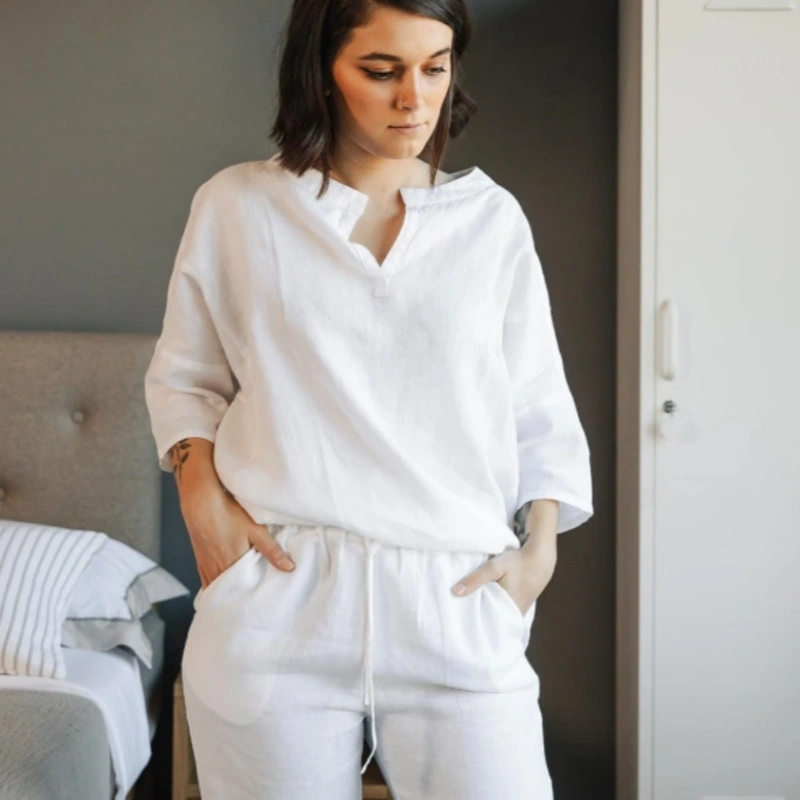
Is Linen Good for Summer? Find Out the Truth
Linen is good for summer thanks to its breathability, lightweight feel, and moisture-wicking properties that keep you cool and comfortable.

Linen is good for summer thanks to its breathability, lightweight feel, and moisture-wicking properties that keep you cool and comfortable.
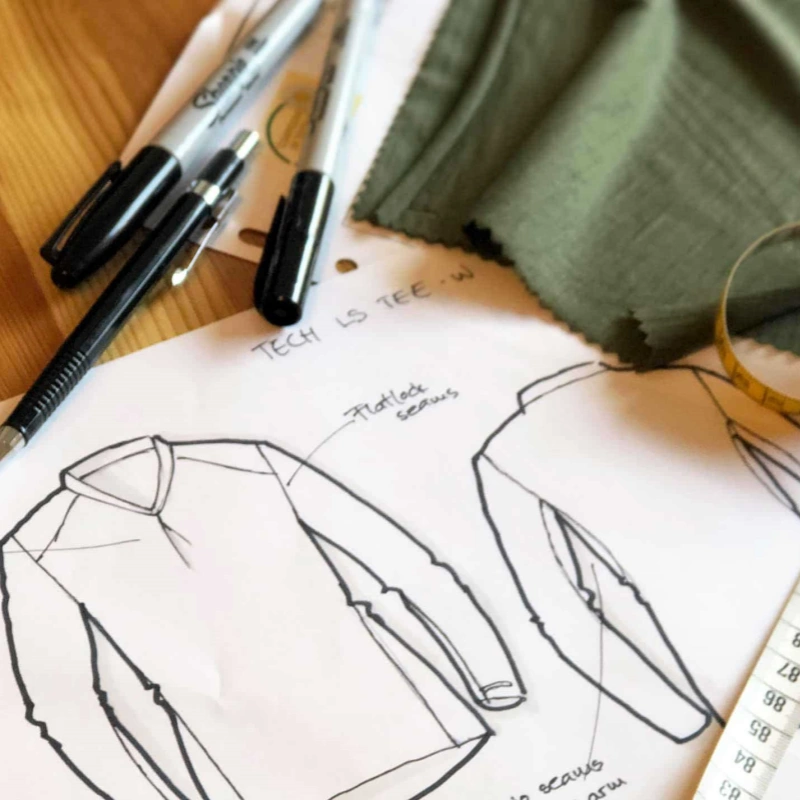
Start your clothing brand with no experience by choosing a business model, defining your niche, and using online tools for design and marketing.
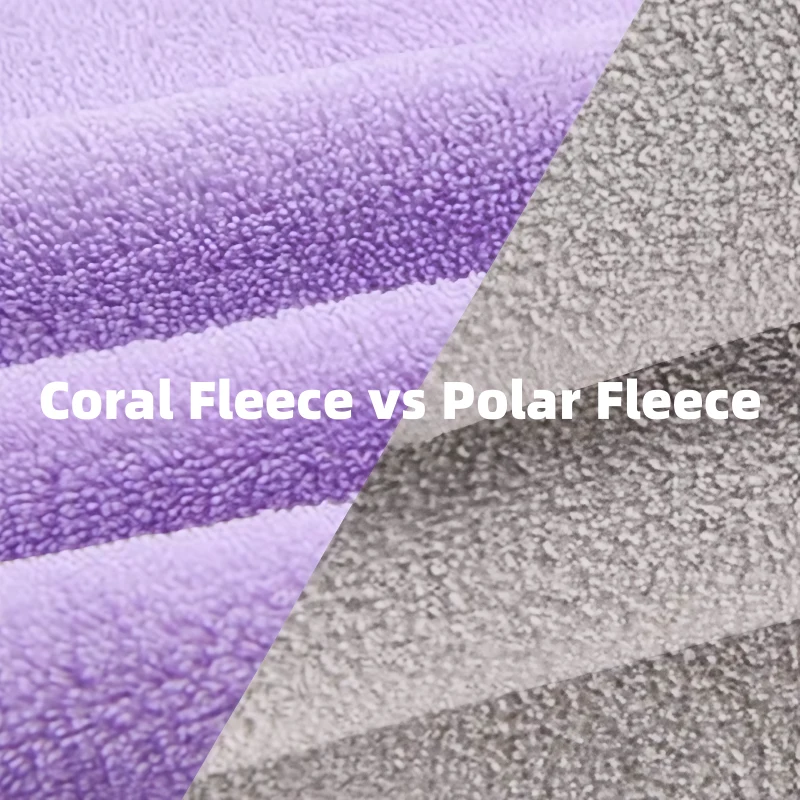
Coral fleece vs polar fleece: Compare softness, warmth, and durability to choose the best fleece for indoor comfort or outdoor performance in 2025.
Coral fleece is a plush, lightweight polyester fabric prized for its softness, warmth, and comfort—ideal for cozy pajamas and loungewear.

Pajama day ideas for families and friends: movie marathons, crafts, breakfast in pajamas, and themed games for a cozy, memorable day together.
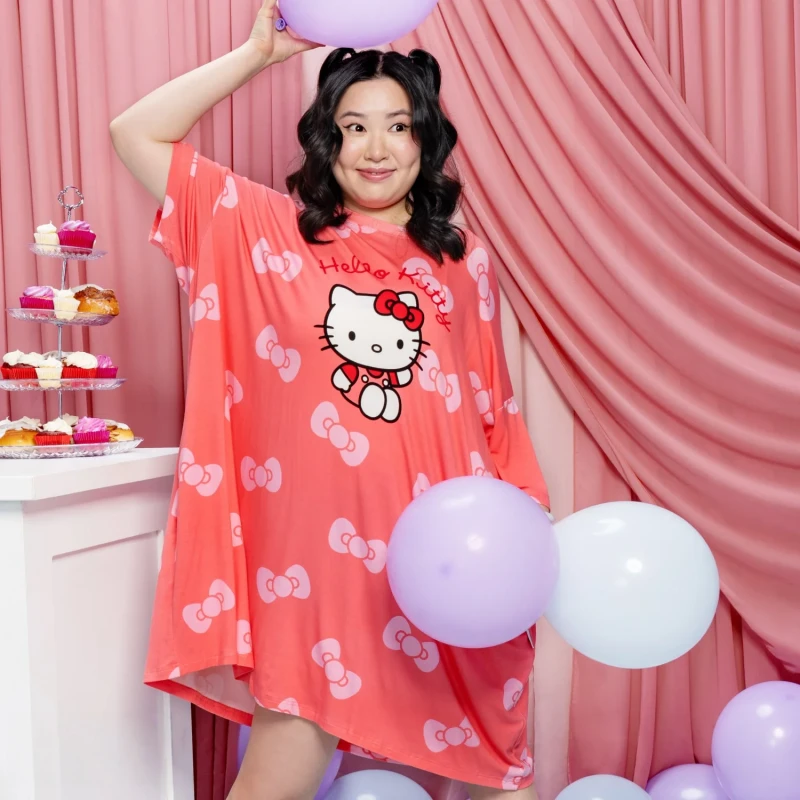
Hello Kitty trends in 2025 drive pop culture, fashion, and accessories, with new styles, collaborations, and global fan engagement shaping the year.
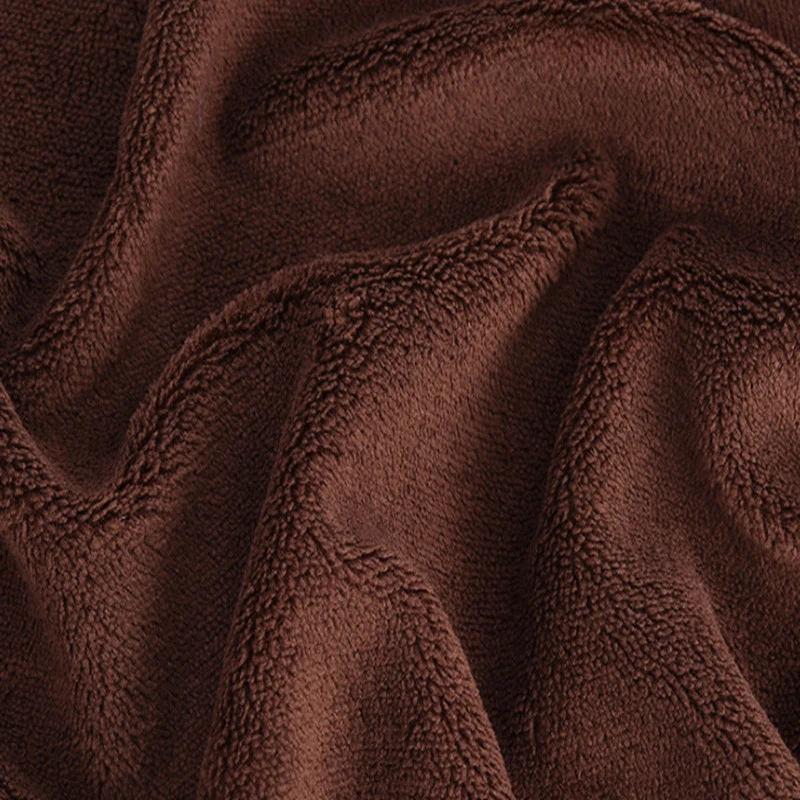
Coral velvet fabric is a plush, synthetic textile known for its softness, warmth, and durability, ideal for cozy pajamas and home textiles.
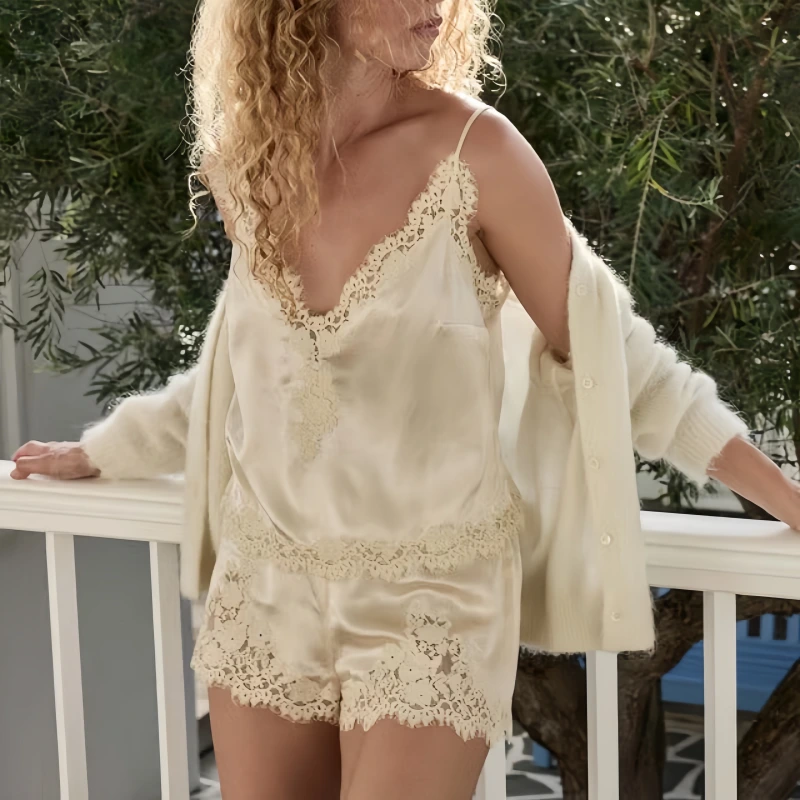
Lace trends 2025 bring romance to daily style with bold colors, new textures, and versatile pieces for comfort and individuality in every outfit.

Is organic cotton better for babies? Yes—it’s softer, chemical-free, and reduces irritation, making it ideal for sensitive baby skin and comfort.

Is organic cotton good for summer? Yes—it’s breathable, moisture-wicking, and gentle on skin, making it ideal for staying cool and comfortable.