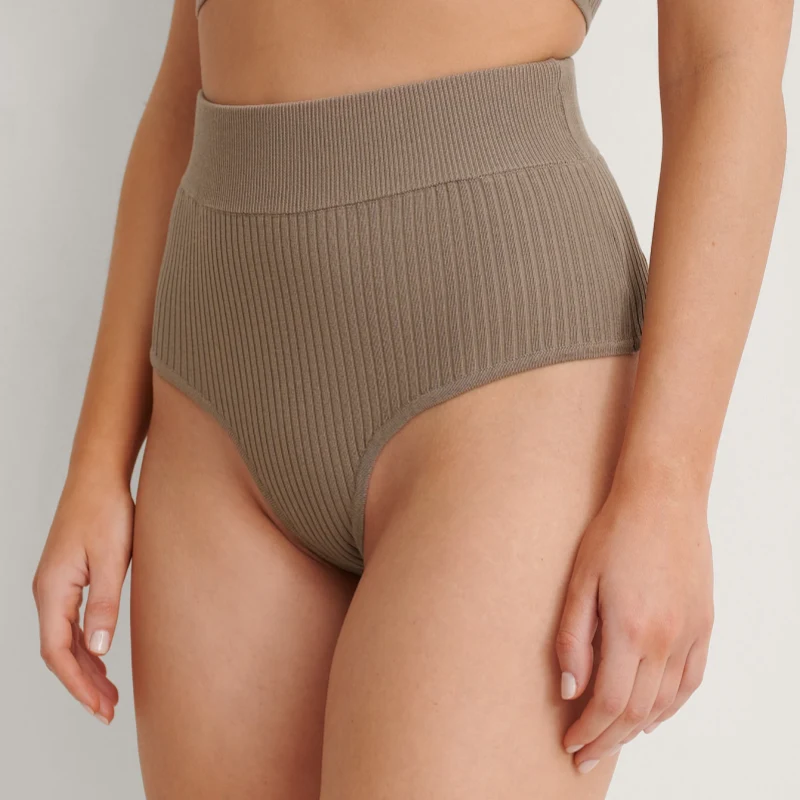
The global knitted underwear market demonstrates robust expansion, with a market size of USD 45.3 billion in 2024 and a projected CAGR of 5.9% through 2033.
Year | Market Segment | Market Size (USD Billion) | CAGR (%) |
|---|---|---|---|
2024 | Knit Underwear and Nightwear | 45.3 | – |
2026-2033 | Knit Underwear and Nightwear CAGR | – | 5.9 |
Segmentation shapes how companies address consumer demand for comfort, sustainability, and innovation. Key trends include a preference for eco-friendly materials, fabric innovations, and the dominance of online sales.
Brands like Friendtex lead by offering premium underwear, prioritizing quality and sustainable practices to meet evolving market needs.
Significant growth drivers:
Consumer demand for comfort
Sustainability and eco-friendly materials
Product innovation
E-commerce and online channels
Key Takeaways
The knitted underwear market is growing fast, driven by consumer demand for comfort, sustainability, and innovation.
Eco-friendly materials like organic cotton and bamboo are popular, as buyers seek soft, breathable, and environmentally safe fabrics.
Online sales and e-commerce play a big role, helping brands reach more customers and offer personalized shopping experiences.
Technological advances, such as seamless knitting and smart fabrics, improve comfort and support sustainable production.
Regions like North America lead the market, while Asia-Pacific grows fastest due to rising incomes and changing lifestyles.
Knitted Underwear Market Overview
Market Size
The global knitted underwear market continues to expand at a remarkable pace. In 2023, the market reached an estimated value of USD 40 billion, with projections indicating growth to USD 70 billion by 2032.
Analysts expect a compound annual growth rate (CAGR) between 5.0% and 6.5% over the next decade. This strong market growth reflects rising demand for premium knitted underwear across diverse regions.
Source | Estimated Market Value (2023) | Projected Market Value (2032/33) | Projected CAGR (%) |
|---|---|---|---|
DataIntelo | USD 40 billion | USD 70 billion (2032) | 6.5% |
Market Research Future | Significant | Significant | 5.8% |
TheBrainyInsights | USD 4 billion | USD 6.51 billion (2033) | 5.0% |
Regional analysis shows North America holds the largest market share, driven by demand for comfortable and sustainable underwear, premium fabrics, and robust e-commerce infrastructure. Europe maintains a substantial share, with consumers seeking stylish, high-quality, and sustainable products.
Asia-Pacific stands out as the fastest-growing market, fueled by a large population, rising disposable income, and established textile manufacturing hubs. Other regions, including the Middle East, Africa, and Latin America, show steady growth as fashion awareness increases.
Region | Market Contribution / Share | Key Growth Drivers and Characteristics |
|---|---|---|
North America | Largest market share | Rising demand for comfortable and sustainable underwear, premium fabrics, strong e-commerce infrastructure, health and fitness trends, and presence of major brands. |
Europe | Substantial market share | Demand for stylish, high-quality, sustainable products; strong fashion industry; preference for organic and natural fibers; growth in online shopping. |
Asia Pacific | Fastest-growing market | Large population base; rising disposable income; established textile manufacturing hubs; increasing consumer demand in China, India, Bangladesh; influence of Western lifestyle; CAGR ~7%. |
Rest of World | Smaller but growing market | Includes Middle East, Africa, Latin America; growth driven by changing consumer preferences and rising fashion awareness. |
Friendtex, a leading manufacturer, contributes to market growth by delivering premium knitted underwear and nightwear for high-end brands. The company’s commitment to quality and sustainability positions it as a trusted partner for brands seeking innovative and eco-friendly products.
Growth Drivers
Several factors drive growth in the knitted underwear market. Urbanization and westernization in emerging economies increase demand for comfortable and branded underwear. Consumers prioritize comfort and sustainability, seeking products made from organic cotton, bamboo, and recycled fabrics.
The expansion of e-commerce and digital marketing enables easy access to products, customer reviews, and targeted campaigns, supporting strong market growth.
Urbanization and westernization boost demand for branded and comfortable underwear.
Consumers emphasize sustainability, preferring organic cotton, bamboo, and recycled fabrics.
E-commerce and digital marketing provide convenient access and support targeted campaigns.
Comfort, style, and functionality remain top priorities, with advanced fabrics and inclusive designs gaining traction.
Product innovation and customization, including eco-friendly materials and diverse designs, attract a wider audience.
Regulatory shifts encourage the adoption of organic, recycled, and bio-based materials.
Millennials and Gen Z drive sustainability preferences, especially in North America and Europe.
Technological advancements enhance comfort, with features like seamless construction, moisture-wicking, odor resistance, and adaptive fits.
Smart clothing integration, such as moisture-wicking and temperature regulation, appeals to tech-savvy consumers.
Online sales channels, especially direct-to-consumer models, grow rapidly. Brands leverage e-commerce to control pricing, branding, and customer experience. Manufacturers adapt supply chains to handle frequent orders and customization, maintaining high quality to meet online consumer expectations.
This shift fosters niche markets, including athleisure, plus-size, and sustainable underwear, expanding global knitted underwear market opportunities.
Friendtex supports market growth by offering premium knitted underwear made from sustainable materials. The company’s advanced technology and certifications ensure products meet international standards for quality and environmental responsibility.
Friendtex’s adaptability to online trends and commitment to comfort and sustainability make it a preferred choice for high-end brands worldwide.
Segmentation Analysis
Product Types
The knitted underwear market features a diverse range of product types, each catering to specific consumer needs. Shapewear leads the segment, holding approximately 40% of the market share in 2023. Shapewear appeals to consumers seeking body contouring, versatility, and enhanced confidence.
Thermal clothes also represent a significant segment, especially in regions with colder climates. Other product types include briefs, boxer briefs, panties, camisoles, and sports underwear, each designed for different preferences and activities.
Product Type | Market Share (2023) | Description |
|---|---|---|
Shapewear | ~40% | Body contouring, comfort, and versatility |
Thermal Clothes | N/A | Insulation and warmth for colder climates |
Others | N/A | Includes briefs, panties, camisoles, sports underwear, and more |
Friendtex offers a comprehensive selection of knitted underwear, including shapewear, thermal wear, and everyday essentials. The company’s customization services allow brands to tailor products to their target audience, ensuring a perfect fit for each market segment.
Materials
Material selection plays a crucial role in the knitted underwear market. Consumers prioritize properties such as elasticity, softness, breathability, and moisture-wicking, which directly impact comfort. Sustainability concerns have shifted preferences toward eco-friendly materials like organic cotton, bamboo fiber, and recycled fabrics.
Health-conscious buyers seek non-toxic, hypoallergenic fibers to avoid allergic reactions and long-term health issues. Technological advancements in fabric, such as seamless knitting and smart textiles, enhance comfort and functionality, attracting consumers interested in athleisure and performance wear.
Material characteristics like stain and odor resistance, durability, and reduced microplastic release also influence purchasing decisions. Transparency tools, such as Digital Product Passports, provide detailed information on material composition and sustainability, aligning with consumer values.
Friendtex uses a wide array of premium materials, including Tencel, bamboo, Lenzing Modal, Pima cotton, and organic cotton. The brand’s commitment to sustainable sourcing and advanced fabric technology ensures that each product meets high standards for comfort and environmental responsibility.
Gender and Age Groups
Segmentation by gender and age group shapes product development and marketing strategies in the knitted underwear market. For children, the market divides into boys and girls, with further segmentation by age: infants, toddlers, pre-schoolers, and school-age children.
Key trends in this segment include increased awareness of hygiene, higher parental investment in quality products, and the convenience of online shopping. Working mothers and busy families value comfort and ease of use, while e-commerce platforms offer variety and discounts.
For men, the market focuses on young adults and working-age consumers. These groups show a preference for activewear-inspired underwear with performance fabrics, such as moisture-wicking and UV-resistant materials. Smart underwear with embedded sensors for health monitoring is gaining traction.
Gender-neutral and adaptive underwear address the needs of diverse identities, while innovations in antimicrobial fabrics and digital retail experiences, such as AR-based shopping, drive growth.
Sizeless underwear targets young adults and working-age groups, emphasizing adaptability, inclusivity, and body positivity. Stretchable, breathable, and moisture-wicking fabrics support comfort and functionality. Online retail and digital tools enhance personalization, while sustainability remains a core focus.
Friendtex’s product range covers all major gender and age segments. The company offers tailored solutions for women, men, and children, supporting brands in delivering inclusive and innovative products.
Price Range
The knitted underwear market spans a broad price spectrum, from budget-friendly options to luxury products. Lower-priced underwear appeals to price-sensitive consumers, especially in developing regions, where affordability drives demand.
Mid-range and premium products attract buyers who value quality, style, and brand reputation. The demand for sustainable and technologically advanced underwear continues to rise, as consumers become more aware of comfort, functionality, and ethical production.
Material | Price Range | Features & Demand Implications |
|---|---|---|
Cotton | Stable | Natural, skin-friendly, moderate price, broad appeal |
Polyester | Less expensive | Durable, less breathable, lower price segment |
Nylon | Slightly higher | Lightweight, elastic, mid-price segment |
Spandex | Higher | High elasticity, used in stretch areas, adds cost |
Modal | Higher-end | Soft, silky, premium underwear |
Silk | Expensive | Luxury fiber, high-end market |
Bamboo Fiber | Moderate | Sustainable, antibacterial, eco-friendly segment |
Viscose | Less expensive | Soft, silk-like, budget to mid-range |
Lycra | More expensive | Premium stretch, high-end products |
Polyamide | Moderate | Durable, functional parts |
Latex | More expensive | Elastic, supportive, used in molded bras |
Lace | Variable | Decorative, price varies widely |
Net Mesh | Affordable | Lightweight, breathable, budget to mid-range |
Premium segments dominate developed markets, where consumers expect advanced features, technical fabrics, and sustainability initiatives. These products command higher margins and offer exclusivity.
Budget segments grow rapidly in emerging markets, focusing on value and comfort. Fast fashion brands compete aggressively in this space, offering trendy designs at lower prices.
Friendtex supports brands across all price points, delivering both affordable and luxury knitted underwear. The company’s expertise in material selection and product innovation, and customization ensures that each product meets the expectations of its target market.
End-User
End-users drive the direction of the knitted underwear market through their preferences and requirements. Most consumers seek comfort, style, and body enhancement, with shapewear remaining a dominant choice for its contouring and confidence-boosting features.
Preferences for seamless construction, soft and stretchy fabrics, and sustainability shape product offerings. Technological advancements, such as moisture-wicking and odor resistance, cater to active lifestyles and enhance user experience.
The demand for ethically produced underwear continues to grow, reflecting a shift toward organic and recycled materials.
Online sales channels have become the preferred method for purchasing knitted underwear, offering convenience, variety, and discreet shopping. North America stands out as a significant market, with diverse demographics influencing innovation and style trends.
Manufacturers respond to end-user requirements by focusing on product innovation and customization. They invest in advanced knitting technologies, smart fabrics, and sustainable practices.
Friendtex excels in meeting these demands, providing brands with personalized, high-quality, and eco-friendly knitted underwear. The company’s digital tools and customization services enable brands to deliver unique products that resonate with their target audience.
Note: Friendtex’s ability to adapt to evolving end-user preferences and market trends positions it as a trusted partner for high-end brands seeking excellence in the knitted underwear market.
Distribution Channels
Online Stores
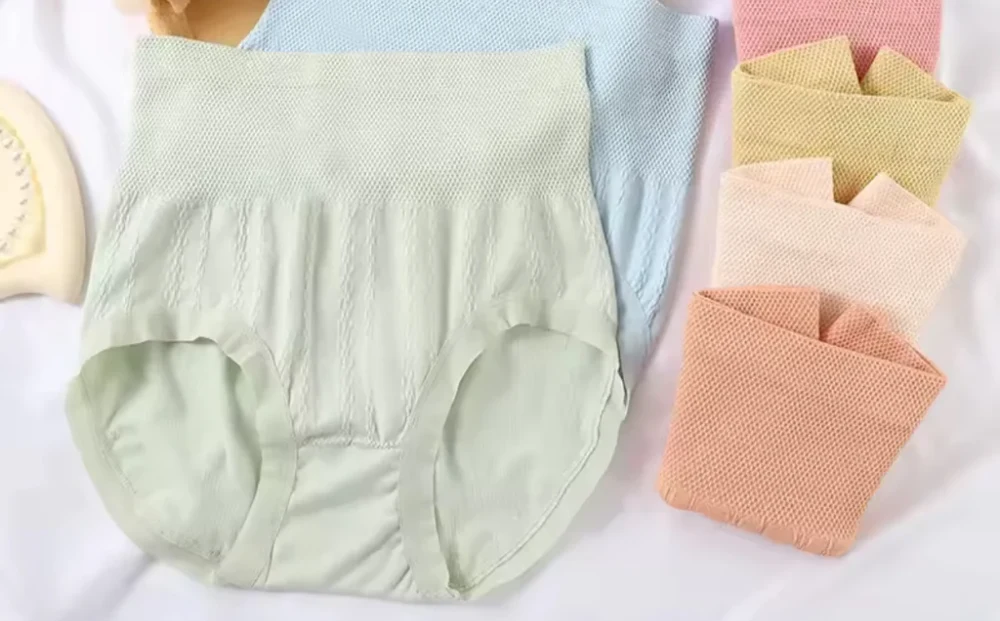
Online shopping has transformed the knitted underwear market, offering consumers convenience, variety, and competitive pricing. In 2023, online stores accounted for 25% of global knitted underwear sales, while offline channels held a 70% share.
Sales Channel | Percentage Share |
|---|---|
Offline | 70% |
Online | 25% |
Others | 5% |
E-commerce platforms have become the fastest-growing channel, driven by the rise of digital marketing and changing consumer habits. Brands leverage online retail channels to reach broader audiences and personalize the shopping experience.
Effective digital marketing strategies include social media advertising, showcasing product benefits, comparative ads, and campaigns that highlight sustainability. Authentic customer testimonials and inclusive messaging build trust and loyalty.
Friendtex supports brands by providing seamless integration with e-commerce platforms and adapting to evolving online shopping trends.
Supermarkets/Hypermarkets
Supermarkets and hypermarkets remain important distribution channels for knitted underwear, especially in regions with high foot traffic and established retail infrastructure. These outlets offer consumers the convenience of purchasing underwear alongside other essentials.
While not the primary channel, supermarkets and hypermarkets play a supportive role in market expansion, particularly in the Asia Pacific, where rising disposable incomes and a large female population drive demand.
Friendtex enables brands to supply high-quality products that meet the standards of large retail chains, ensuring consistent quality and timely delivery.
Specialty Stores
Specialty stores hold a significant share in the distribution of knitted underwear, projected to account for approximately 43% of the market by 2025. These stores cater to consumers seeking premium products, expert advice, and personalized service.
Specialty retailers often focus on curated selections, exclusive designs, and enhanced customer experiences. Although online shopping dominates growth, specialty stores contribute to market segmentation and brand differentiation.
Friendtex collaborates with specialty retailers to deliver unique, high-end underwear collections that align with brand identity and consumer expectations.
Sustainable Trends
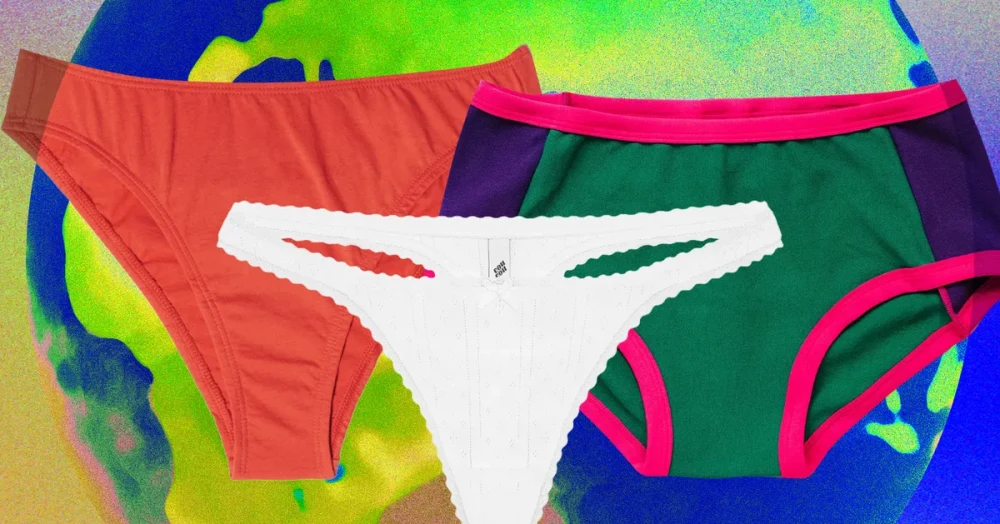
Eco-Friendly Materials
Sustainability has become a defining factor in the knitted underwear market. Consumers now seek eco-friendly fabrics that offer both comfort and environmental responsibility.
The most in-demand sustainable and eco-friendly materials include bamboo fiber, organic cotton, recycled polyester, and Lenzing Modal Micro. These materials require less water and generate fewer carbon emissions than traditional synthetics. They avoid harmful chemicals, making them safer for both skin and the environment.
Natural and sustainable materials provide several benefits. They are breathable, soft, and long-lasting, which enhances comfort and durability. Hypoallergenic properties reduce the risk of irritation and allergies, while improved air circulation prevents sweat buildup.
Urban millennials drive these trends, prioritizing sustainability, ethical production, and comfort in their underwear choices. Synthetic fabrics, such as nylon and polyester, contribute to plastic pollution and have a high carbon footprint. In contrast, eco-friendly options support the shift toward sustainable and eco-friendly apparel.
Friendtex demonstrates a strong commitment to sustainability by using premium sustainable materials like organic cotton, bamboo, and modal. The company holds certifications such as GOTS and the Organic 100 Content Standard, ensuring environmentally conscious underwear production.
Friendtex’s dedication to sustainable and eco-friendly materials positions it as a leader in the market.
Technological Innovations
Technological advancements play a crucial role in supporting sustainability and improving product quality in the knitted underwear industry. Manufacturers now use high-speed seamless knitting machines, eco-friendly production equipment, and advanced design technologies.
These innovations increase efficiency, reduce waste, and enable the use of sustainable materials.
Recent trends include 3D knitting technology for custom fit, waterless dyeing techniques, and the integration of smart textiles with features like moisture-wicking and odor control. Seamless knitting eliminates irritation and improves fit, while made-to-order production models minimize overproduction and waste.
Automation, AI, and IoT integration allow real-time monitoring and predictive maintenance, further enhancing sustainability.
Friendtex leverages these technological innovations to deliver high-quality, sustainable, and eco-friendly underwear. The company’s advanced manufacturing processes and ethical practices ensure that every product meets the highest standards for comfort, durability, and environmental responsibility.
Regional Dynamics
North America
North America leads the global knitted underwear market, holding a 37% revenue share in 2023. The region benefits from advanced textile manufacturing and a strong influence on global fashion trends. Consumers in North America show high demand for premium underwear, focusing on comfort, sustainability, and innovative features.
The market here grows rapidly due to a large and diverse population, robust retail infrastructure, and the widespread adoption of online sales channels. Brands invest in technology to enhance product quality and meet evolving consumer expectations.
Friendtex supports high-end brands in North America by delivering premium, sustainable products that align with these market trends.
Europe
Europe maintains a significant position in the knitted underwear market. The region’s consumers prioritize stylish, high-quality, and eco-friendly products. Growth in Europe comes from a strong fashion industry, a preference for organic and natural fibers, and increasing online shopping activity.
European buyers often seek ethical manufacturing and transparency in sourcing. The market responds to these demands by offering a wide range of sustainable and innovative underwear options. Friendtex partners with European brands to provide customized solutions that reflect local preferences and sustainability goals.
Asia-Pacific
Asia-Pacific stands out as the fastest-growing region in the knitted underwear market. The area benefits from a large population, rising disposable incomes, and established textile manufacturing hubs. Consumer demand for comfortable and affordable underwear continues to rise, especially in countries like China and India.
Western lifestyle influences and rapid urbanization drive growth and shape new trends. Online retail expands access to diverse products, supporting market expansion. Friendtex, with its origin in China, leverages local expertise and global reach to serve high-end brands throughout Asia-Pacific and beyond.
Other Regions
Other regions, including South America, the Middle East, and Africa, show steady growth in the knitted underwear market. These areas experience rising fashion awareness and changing consumer preferences.
Market performance varies due to differences in economic development, retail infrastructure, and access to premium products. Brands entering these markets focus on affordability, comfort, and adapting to local trends.
Friendtex extends its services to these regions, helping brands meet the unique needs of emerging markets while maintaining high standards of quality and sustainability.
Friendtex’s global presence and commitment to innovation enable it to support brands in every major region, driving growth and meeting diverse market demands.
Competitive Landscape
Key Players
The knitted underwear market features a dynamic mix of established global brands and innovative newcomers. Leading companies include HanesBrands Inc., adidas AG, Macy’s Inc., PVH Corp., Jockey International, Inc., Giorgio Armani S.p.A., ExOfficio LLC, Fruit of the Loom, Inc., Rupa & Company Limited, and Wolford AG.
Brands such as Calvin Klein and Hanes maintain strong recognition, while direct-to-consumer players like MeUndies and Tommy John drive growth in North America. These brands shape the market through their focus on comfort, style, and advanced fabric technology.
North America leads the market, supported by high consumer spending and a preference for premium knitted underwear. The market continues to evolve as brands introduce new designs and respond to changing consumer preferences.
Note: The market does not disclose specific numerical shares for these brands, but their influence remains significant.
Strategic Initiatives
Major players in the knitted underwear market pursue several strategies to maintain a competitive edge. They invest in advanced technology, such as smart fabrics with moisture-wicking and antimicrobial properties. Many brands adopt sustainable materials like bamboo and organic cotton to address the rising demand for sustainability.
Digital tools, including 3D knitting and AI-driven design, enable efficient and customized production. Companies expand their global reach through e-commerce platforms and strategic partnerships, targeting emerging markets for further growth.
Production hubs in China, India, Bangladesh, Vietnam, and Turkey support the market with skilled labor, quality assurance, and economies of scale. Innovations like Pailung’s AlterKnit technology improve efficiency and design flexibility.
These initiatives focus on technological advancement, market expansion, and supply chain optimization.
Friendtex stands out as a trusted partner for high-end brands in the premium knitted underwear segment. The company holds multiple certifications, including GOTS and ISO, which demonstrate its commitment to quality control and sustainability.
Friendtex leverages advanced design capabilities and a robust supply chain to deliver innovative, high-quality underwear that meets the evolving needs of the global market.
Regulatory Impacts
Environmental Regulations
Environmental regulations play a critical role in shaping the knitted underwear market. Laws such as the French Climate and Resilience Law and the French Textile Eco-score require manufacturers to measure and report the environmental impact of their products.
These regulations focus on carbon emissions, water usage, and effects on biodiversity. For example, the French Eco-score mandates that producers provide transparent environmental information at the point of sale, using life cycle assessments.
This level of transparency encourages companies to adopt sustainable practices, improve resource efficiency, and embrace circular economy principles.
Manufacturers now face the need to redesign products and supply chains to comply with these standards. Many companies, like Eurojersey in Italy, have adopted methodologies such as the Product Environmental Footprint (PEF) and earned certifications that evaluate performance across multiple environmental categories.
These steps drive the market toward greater sustainability and accountability.
Friendtex demonstrates strong compliance with international standards. The company holds certifications such as GOTS, Organic 100 Content Standard, and ISO, which reflect its commitment to responsible manufacturing.
Friendtex’s use of eco-friendly materials and transparent processes ensures that its products meet the highest regulatory expectations in the global market.
Market Challenges

The knitted underwear market faces several significant challenges:
High costs of advanced knitting machinery limit upgrades for small and medium enterprises.
Rapid technological changes require ongoing innovation, which can strain resources.
Intense competition from low-cost manufacturers puts pressure on pricing and margins.
Counterfeiting remains a persistent risk.
Some government regulations create additional hurdles for market entry.
Limited market awareness in developing regions slows growth.
To address these challenges, leading companies invest in research and development, adopt new technologies like automation and 3D knitting, and form strategic partnerships. They also leverage digital platforms to expand distribution and provide added services.
A strong focus on sustainability, including the use of eco-friendly materials, helps brands align with consumer demand and regulatory requirements.
Friendtex continues to lead by investing in advanced manufacturing and maintaining strict quality control. The company’s certifications and sustainable practices position it as a trusted partner for brands navigating regulatory and market challenges worldwide.
Conclusion
The knitted underwear market shows strong growth across all segments. Sustainability, technological innovation, and e-commerce drive new opportunities for brands. Friendtex leads the industry by delivering premium, eco-friendly underwear and supporting high-end brands worldwide.
Companies that focus on quality and adapt to changing consumer preferences will shape the future of this market. Stakeholders should watch for continued evolution as demand for sustainable and innovative products increases.
FAQ
What factors drive demand in the knitted underwear market?
Consumer demand for comfort, sustainability, and innovative designs drives growth. Brands respond by offering eco-friendly materials, advanced fabrics, and customization options. E-commerce and digital marketing also play a significant role in expanding market reach.
Which materials are most popular for sustainable knitted underwear?
Popular sustainable materials include organic cotton, bamboo fiber, Lenzing Modal, and recycled polyester. These fabrics offer softness, breathability, and environmental benefits, meeting the preferences of eco-conscious consumers.
How do brands differentiate themselves in this market?
Brands differentiate through product innovation, quality, and sustainability initiatives. Many invest in advanced knitting technology, unique designs, and certifications.
Friendtex, for example, stands out by offering premium, eco-friendly products and customization services.
What role does e-commerce play in the knitted underwear industry?
E-commerce enables brands to reach a wider audience, offer personalized shopping experiences, and respond quickly to trends. Online channels support direct-to-consumer sales, digital marketing, and efficient distribution.
How do regulations impact knitted underwear manufacturing?
Environmental and health regulations require manufacturers to use sustainable materials and transparent processes. Companies must comply with international standards and certifications to ensure product safety and environmental responsibility.