Choosing between microfiber vs cotton really comes down to your sleep style, the climate where you live, and what feels best to you. Some people love how cotton bedding keeps them cool and comfortable, while others prefer the warmth and smooth touch of microfiber. Take a look at this quick table to see how each material performs:
Material | Breathability | Moisture-Wicking | Heat Retention |
|---|---|---|---|
Cotton | High | Yes | Low |
Microfiber | Low | No | High |
If comfort, durability, and customization matter to you, Friendtex offers premium microfiber options that stand out. As you read, think about what matters most—breathability, easy care, or how your bedding impacts the planet.
Key Takeaways
Choose cotton for breathability and comfort if you sleep hot. It helps regulate body temperature and wicks away moisture.
Opt for microfiber if you prefer warmth and easy care. It traps heat and is durable, making it ideal for cold sleepers.
Consider your allergies. Microfiber is hypoallergenic and resists dust mites, while cotton is gentle and breathable for sensitive skin.
Think about maintenance. Microfiber is easy to care for and dries quickly, while cotton requires more attention but gets softer with each wash.
Evaluate your budget. Microfiber is often more affordable upfront, but cotton may offer better long-term value due to its durability.
Microfiber vs Cotton: Key Differences
What Is Microfiber?
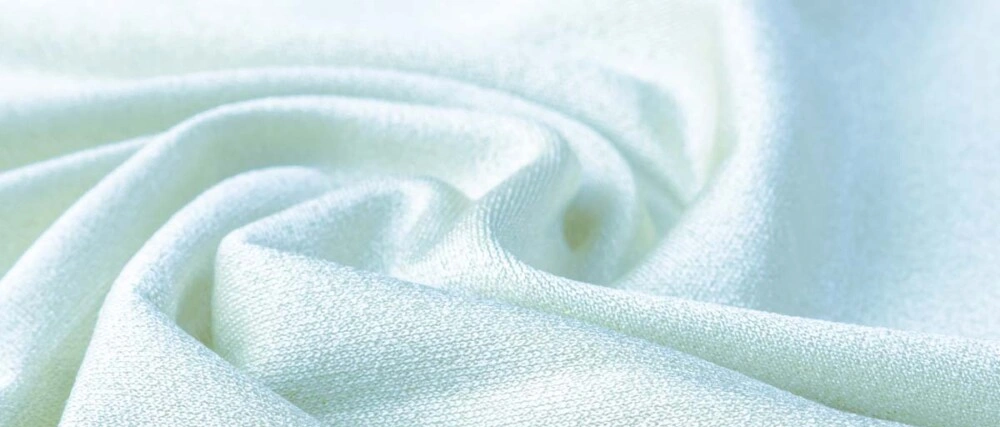
When you think about microfiber, picture a fabric made from super-fine synthetic fibers, usually polyester and polyamide. These fibers are much thinner than a human hair, which gives microfiber its smooth, soft feel. You’ll notice that microfiber sheets feel lightweight and almost silky.
This fabric stands out because it’s tough, resists stains, and dries quickly. Many people love microfiber for its easy care and long-lasting quality. Friendtex offers high-quality microfiber products that combine comfort with durability, making them a great choice for anyone who wants bedding or sheets that last.
What Is Cotton?
Cotton comes from the fluffy fibers of the cotton plant. It’s a natural material that people have used for thousands of years. When you touch cotton sheets, you’ll feel a soft, breathable fabric that keeps you cool.
Cotton is gentle on your skin and works well for people with allergies or sensitive skin. High-quality cotton sheets can feel luxurious and get softer with every wash. If you want a classic, natural option for your bedding, cotton is a top pick.
Microfiber vs Cotton: Material Comparison
Let’s break down the main differences between microfiber vs cotton. Here’s a quick table to help you see how they stack up:
Characteristic | Cotton | Microfiber |
|---|---|---|
Origin | Natural | Synthetic |
Breathability | High | Moderate |
Moisture Wicking | Good | Excellent |
Softness | High | Very High |
Durability | Wears out faster | Lasts longer |
Care | Needs more care | Easy to maintain |
Cotton is natural, breathable, and hypoallergenic. It feels soft and comfortable, making it perfect for hot sleepers.
Microfiber is synthetic, tough, and stain-resistant. It’s easy to care for and works well if you want sheets that stay looking new.
When you compare microfiber vs cotton, think about what matters most to you. Do you want the cool, airy feel of cotton or the smooth, easy-care benefits of microfiber? Friendtex specializes in high-quality microfiber sheets and bedding, so you can enjoy comfort and style that fits your sleep style.
Comfort and Feel
Softness and Texture
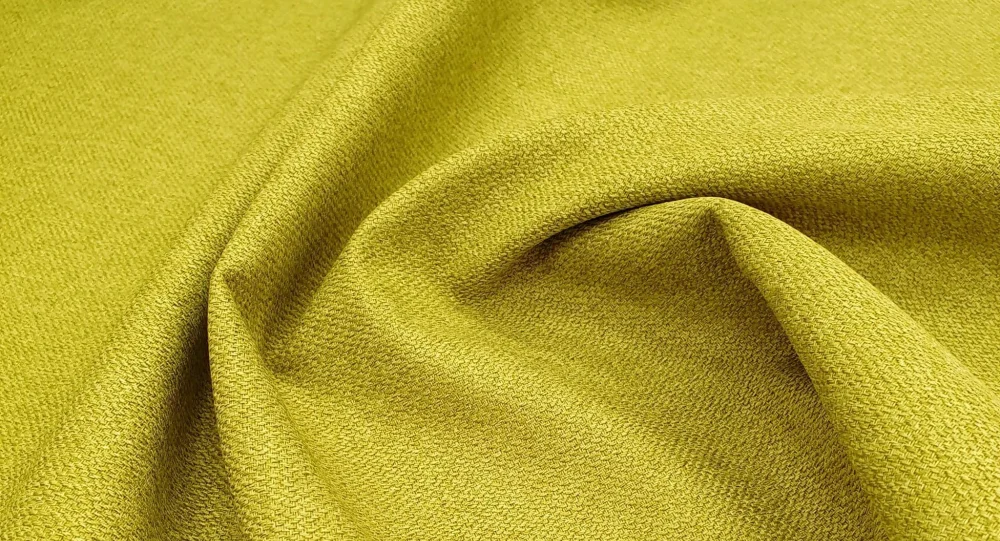
When you climb into bed, you want to know which sheets feel more comfortable. The answer often depends on how you like your bedding to feel against your skin. Cotton gives you a soft, natural touch. Many people love the soft feel of soft cotton sheets because they feel gentle and cool.
Cotton feels smooth and gets even softer after each wash. If you want a classic, cozy experience, cotton is hard to beat.
Microfiber feels different. It feels silky and smooth, almost like a gentle hug. You might notice that microfiber feels lighter and stretches a bit more. This soft feel makes microfiber popular for people who want a sleek, modern touch.
Microfiber feels soft right away and stays that way, even after many washes. If you want sheets or underwear that feel smooth and flexible, microfiber is a great choice.
Tip: If you want a fabric that feels soft and stays smooth, microfiber might surprise you with its comfort.
Cotton Comfort Qualities
Cotton stands out for its comfort and breathability. You feel cool and relaxed when you sleep on cotton. The softness of cotton helps you unwind after a long day. Cotton feels gentle, making it perfect for sensitive skin. You can count on cotton to feel soft and fresh every night.
Microfiber also brings comfort, especially in Friendtex microfiber underwear and robes. These products feel soft, stretchy, and quick-drying. You get flexibility and a smooth feel that moves with you. Take a look at how users rate comfort and flexibility:
Feature | Cotton Underwear | Microfiber Underwear |
|---|---|---|
Comfort | Soft, breathable | Soft, stretchy, quick-dry |
Flexibility | Moderate | High |
Feel | Natural, cool | Smooth, lightweight |
Friendtex microfiber underwear and robes feel soft and flexible, giving you comfort all day. You can move easily, and the fabric feels gentle against your skin. If you want underwear or a robe that feels soft and adapts to your movements, microfiber from Friendtex is a smart pick.
Breathability and Temperature
Microfiber Sheets for Warmth
If you love a cozy, warm bed, microfiber sheets might be your new favorite. Microfiber bedding feels soft and smooth, wrapping you in gentle warmth. These sheets trap heat, so you stay toasty on chilly nights. Microfiber sheets are great for cold sleepers or anyone who wants extra warmth.
The fabric holds onto heat better than cotton, making it perfect for winter or air-conditioned rooms.
Friendtex microfiber sheets also stand out for their moisture-wicking and quick-drying features. You get a fabric that breathes well and keeps you dry, even if you sweat at night. Take a look at how Friendtex microfiber bedding performs:
Evidence Description | Key Features |
|---|---|
The fabric breathes well and wicks away moisture, so you stay dry even on busy days. | Breathability, Moisture-wicking |
Microfiber underwear offers superior comfort with soft, stretchy fabric that fits like a second skin and prevents chafing. | Comfort, Stretchiness, Moisture-wicking |
Friendtex uses high-quality, moisture-wicking fabric that stands up to daily wear and tear. | Durability, Moisture-wicking |
Microfiber underwear dries quickly and is easy to care for. | Quick-drying, Easy care |
Cotton for Cool Sleepers
Do you often wake up feeling hot? Cotton sheets could be the answer. Cotton is a breathable fabric that lets air flow freely. This helps regulate your body temperature and keeps you cool all night.
Cotton sheets wick away moisture, so you never feel sticky or sweaty. If you want to know which sheets keep you cooler, cotton is the clear winner.
Here’s why cotton bedding works so well for hot sleepers:
Cotton is breathable and promotes airflow, which helps regulate body temperature during sleep.
Cotton’s natural fibers wick moisture away, preventing overheating.
Cotton sheets feel fresh and soft, even after many washes.
Choosing Between Cotton and Microfiber for Climate
Your local climate and personal comfort matter when picking sheets. If you live somewhere warm or you tend to sleep hot, cotton sheets and cotton bedding will help you stay cool. Cotton’s breathability and moisture-wicking abilities make it a top choice for summer or humid areas.
If you want warmth or live in a cooler place, microfiber sheets and microfiber bedding will keep you comfortable. Microfiber traps heat, making it ideal for cold sleepers or winter months. Friendtex microfiber sheets also dry quickly, so you never have to worry about dampness.
Tip: Think about your sleep style and climate before choosing between cotton and microfiber. The right sheets can make a big difference in your comfort.
Durability and Care
Microfiber Durability
When you want bedding or sheets that last, microfiber stands out for its durability. Microfiber sheets use synthetic fibers that resist wear and tear. You can wash microfiber many times, and it still keeps its shape and softness. Unlike cotton, microfiber does not fray or shed lint after repeated washing.
You will notice that microfiber sheets look new even after months of use. Friendtex designs microfiber products with easy care in mind, so you spend less time worrying about maintenance and more time enjoying comfort. If you wonder which sheets last longer, microfiber often wins because of its strong fibers and lasting quality.
Cotton Longevity
Cotton sheets feel soft and natural, but they do not always last as long as microfiber. Over time, cotton can fray, lose color, and even tear after many washes. You might see lint or pilling on cotton bedding, especially if you wash it often.
Cotton sheets still offer great comfort and breathability, but you may need to replace them sooner than microfiber. If you want to keep your cotton sheets in top shape, gentle care is key. High-quality cotton can last, but it usually needs more attention than microfiber.
Maintenance Tips
Want your sheets to last? Follow these tips for both microfiber and cotton:
Wash cotton in cold or lukewarm water to keep fibers strong and colors bright.
Use mild, plant-based detergent for cotton to protect the natural fibers.
Avoid washing cotton too often; you can wear it 3–4 times before washing.
Air-dry cotton to help it keep its shape and reduce shrinkage. If you use a dryer, choose low heat.
Store cotton bedding in a cool, dry place and avoid plastic containers.
Use a fabric shaver to remove pilling from cotton without damage.
For microfiber, use washing bags to reduce fiber release during washing.
Choose biodegradable detergents and shorter wash cycles for microfiber to keep the fabric strong.
Line dry microfiber sheets to save energy and help them last longer.
Tip: Friendtex microfiber sheets and robes are made for easy care. You get lasting quality and comfort with less effort.
Allergies and Sensitivities
Hypoallergenic Microfiber
If you have allergies or sensitive skin, you probably want to know which fabric will keep you comfortable and irritation-free. Microfiber is a smart choice for many people. The fibers in microfiber are tightly woven, so dust mites and allergens have a tough time getting in.
You get a smooth surface that feels gentle against your skin. Friendtex microfiber underwear is made from hypoallergenic materials, so you can wear it all day without worrying about irritation. The company holds certifications that guarantee safety and quality, making these products suitable for anyone with sensitive skin.
Microfiber dries quickly and wicks away moisture, which helps prevent bacteria buildup. You stay fresh and dry, even if you sweat. The lightweight feel of microfiber means you barely notice it, and the fabric moves with you.
If you want underwear or bedding that keeps you comfortable and reduces allergy risks, microfiber is a great option.
Tip: Friendtex microfiber underwear is designed for sensitive skin. You get comfort, breathability, and peace of mind.
Microfiber is hypoallergenic and resists dust mites.
Friendtex products have certifications for safety and quality.
The fabric is soft, lightweight, and moisture-wicking.
Cotton for Sensitive Skin

Cotton is another top pick for people with allergies or sensitive skin. Dermatologists often recommend cotton because it is natural, breathable, and gentle. You get a soft touch that feels soothing, especially if you have skin that reacts easily.
Cotton absorbs moisture and lets air flow, so you stay cool and dry. Many people choose cotton bedding for its comfort and allergy-friendly qualities.
Here are some reasons why cotton is a favorite for sensitive skin:
Cotton is soft, breathable, and absorbent.
The natural fibers help prevent irritation.
Cotton bedding feels cool and fresh every night.
You might also see other fabrics recommended, like bamboo, TENCEL, silk, and ultra-fine Merino wool. These materials are breathable and gentle, but cotton remains a classic choice. If you want a fabric that feels natural and keeps your skin happy, cotton is hard to beat.
Note: Avoid synthetic materials that trap heat and moisture. They can cause irritation for sensitive skin.
Choosing between microfiber and cotton depends on your needs. Microfiber offers hypoallergenic benefits and moisture control, while cotton gives you a natural, breathable feel. Both fabrics help you sleep better and wake up feeling refreshed.
Cost and Value
Cotton vs Microfiber: Price Comparison
When you shop for new bedding, price often plays a big role in your decision. Cotton vs microfiber products come with different price tags. Cotton usually costs more upfront, while microfiber is often more budget-friendly. Take a look at this table to see how prices compare for sleepwear:
Item Price | Previous Price |
|---|---|
$79.00 | $92.00 |
$76.00 | $76.00 |
$69.00 | $79.00 |
$42.00 | $79.00 |
You can see that microfiber options tend to be less expensive. Cotton products, especially high-quality ones, sit at the higher end of the price range. If you want to save money right away, microfiber might seem like the better choice.
Long-Term Value
Price is just one part of the story. You also want to know which sheets offer better value over time. Cotton stands out for its durability. You can wash cotton bedding many times, and it still feels soft and comfortable. Microfiber costs less at first, but you may need to replace it sooner because it wears out faster.
Here’s what you should consider:
Cotton products have a higher initial cost, but they last longer and need fewer replacements.
Microfiber products are cheaper upfront, but you might buy new ones more often.
The long-term value of cotton often outweighs the extra expense because it stays comfortable and strong.
If you want bedding that lasts, cotton is a smart investment. Microfiber works well if you want something affordable and easy to care for. Friendtex microfiber products offer extra value with their durability and customization options. You can choose styles and colors that fit your needs, and enjoy comfort that lasts.
Tip: Think about how often you want to replace your bedding. Cotton may cost more now, but it can save you money in the long run.
Environmental Impact
Cotton Sustainability
When you think about cotton, you might picture soft sheets and comfortable bedding. But cotton has a big impact on the environment. Farmers use pesticides to protect cotton crops from insects and diseases. Without these chemicals, most of the world’s cotton could be lost each year.
Cotton farming covers 2.5% of the world’s arable land. It uses 200,000 tons of pesticides and 8 million tons of fertilizers every year. This accounts for 16% of global pesticide use and 4% of fertilizer use.
Cotton needs a lot of water. Making just one cotton t-shirt takes about 2,700 liters of water. That amount could keep a person hydrated for two and a half years. Large irrigation projects for cotton have caused problems, like the shrinking of the Aral Sea.
Fertilizer production creates almost half of the greenhouse gas emissions from cotton farming. Irrigation and fertilizer application add even more emissions.
Organic cotton farming helps lower these impacts. It uses fewer chemicals and less water. You get a fabric that feels good and is better for the planet. Natural fibers like hemp or flax can also use less water than cotton, depending on where they grow.
If you want bedding that feels soft and supports sustainability, organic cotton is a smart choice.
Microfiber and Eco-Friendliness
Microfiber is popular for its durability and easy care, but it comes with environmental concerns. When you wash microfiber products, tiny fibers shed and enter the water system. Wastewater treatment plants cannot filter out these microfibers.
They end up in rivers and oceans, harming marine life and sometimes entering the food chain.
Microfiber is made from synthetic materials like polyester and nylon. These fibers do not break down easily. Eco-friendly alternatives include natural fibers such as organic cotton, hemp, and linen. These materials are biodegradable and have a lower impact on the environment.
Friendtex takes sustainability seriously. The company uses solar panels for renewable energy and chooses low-impact dyes that avoid toxic chemicals. Friendtex focuses on recycled materials and reduces plastic packaging.
You can find sustainable fabrics like organic cotton, recycled polyester, bamboo, and hemp in their products.
Choosing Friendtex means you support a brand with strong environmental values and certified sustainable practices.
Friendtex Recommended Products
Choosing the right sleepwear or bedding can make a huge difference in how you feel every night. Friendtex offers a range of products designed to match your sleep style, whether you want to stay cool, cozy, or allergy-free. Let’s break down the best options for you.
Microfiber Robe
If you want a robe that feels soft and light, the microfiber robe from Friendtex is a top pick. You’ll notice how the fabric feels smooth against your skin. Microfiber robes dry quickly, so you never have to wait long after a shower. The lightweight design makes it easy to wear in any season.
You can lounge at home or pack it for travel. The robe keeps you warm without feeling heavy. Friendtex lets you customize your robe with colors and patterns, so you get a style that fits your personality. The microfiber robe is also easy to care for, so you spend less time doing laundry and more time relaxing.
Microfiber Underwear
Microfiber underwear from Friendtex is all about comfort and flexibility. You’ll love how the fabric stretches and moves with you. The seamless design means you won’t feel any irritation, even if you wear it all day. Microfiber underwear is moisture-wicking, so you stay dry during workouts or busy days.
The fit is snug but not tight, and it doesn’t ride up. Many customers say the fabric feels like a second skin. Take a look at what people are saying:
Reviewer | Rating | Comments |
|---|---|---|
Sarah | ⭐️⭐️⭐️⭐️⭐️ | The fabric feels incredibly soft, and the seamless design makes it feel like I’m not wearing anything at all. Perfect for daily wear, especially under tight clothes. The fit is snug but not too tight, and it doesn’t ride up. |
Laura | ⭐️⭐️⭐️⭐️⭐️ | I love how breathable and light they feel, especially during workouts. The waistband doesn’t dig in, and the material keeps me cool throughout the day. Highly recommend for anyone looking for high-quality, everyday underwear! |
Emily | ⭐️⭐️⭐️⭐️⭐️ | The fabric is soft and stretchy, and the seamless construction eliminates any irritation. I wear them for everything—work, gym, and even lounging at home. They’re not only comfortable but also stylish. |
If you want underwear that feels soft, dries fast, and keeps you comfortable, microfiber underwear is a smart choice.
Organic Cotton Pajamas
Do you prefer a natural feel when you sleep? Organic cotton pajamas from Friendtex give you that classic comfort. Cotton sheets and pajamas feel cool and breathable, so you don’t wake up sweaty. The fabric is gentle on your skin, making it perfect for sensitive sleepers.
You’ll notice that cotton pajamas get softer every time you wash them. If you care about the environment, organic cotton is a great option. Friendtex uses eco-friendly practices to make sure you get high-quality cotton products. You can choose styles and colors that match your taste.
Cotton pajamas work well for hot sleepers because they let air flow and wick away moisture.
Organic Cotton Underwear
If you want underwear that feels fresh and natural, organic cotton underwear is a solid pick. Cotton sheets and underwear are soft and absorbent, so you stay comfortable all day. The natural fibers help prevent irritation, making them ideal for people with allergies.
You’ll find that cotton underwear is easy to care for and lasts a long time. Friendtex offers organic cotton options that support sustainability and feel great against your skin. You can choose from different styles to match your needs. Cotton underwear is a favorite for anyone who wants a breathable, allergy-friendly choice.
Tip: If you’re a hot sleeper, look for products made from cotton sheets, bamboo, silk, modal, or eucalyptus fibers. These materials help regulate temperature and keep you cool.
Quick-Reference Table: Find Your Perfect Match
Here’s a table to help you pick the best Friendtex product for your sleep style and needs:
Product | Best For | Sleep Style | Allergy-Friendly | Eco-Friendly | Care Level | Customization |
|---|---|---|---|---|---|---|
Microfiber Robe | Cozy lounging | Cold sleeper | Yes | Yes | Easy | Yes |
Microfiber Underwear | Active comfort | All sleepers | Yes | Yes | Easy | Yes |
Organic Cotton Pajamas | Cool comfort | Hot sleeper | Yes | Yes | Moderate | Yes |
Organic Cotton Underwear | Fresh feel | Hot sleeper | Yes | Yes | Moderate | Yes |
You can see that microfiber sheets and cotton sheets both offer unique benefits. Microfiber sheets keep you warm and dry, while cotton sheets help you stay cool and comfortable. If you want bedding that matches your sleep style, Friendtex has you covered.
Microfiber sheets are perfect for cold sleepers who want warmth and easy care.
Cotton sheets work best for hot sleepers who need breathability and moisture control.
Microfiber products are great for people with allergies because they resist dust mites.
Cotton products are ideal for sensitive skin and eco-conscious shoppers.
You don’t have to settle for one type. Mix and match microfiber sheets and cotton sheets to create the perfect bedding setup. Friendtex lets you customize your sleepwear and bedding, so you get exactly what you want.
Note: If you care about sustainability, choose organic cotton sheets and pajamas. If you want durability and easy care, go for microfiber sheets and robes.
Choosing Between Cotton and Microfiber: Decision Guide
Matching Fabric to Sleep Style
When you start choosing between cotton and microfiber, you want to match your bedding to your unique sleep habits and comfort needs. Everyone sleeps differently, so your fabric choice should fit your lifestyle, budget, and personal preferences.
Let’s break down what you should think about before you decide which sheets you choose.
If you’re a hot sleeper, cotton is your best friend. It lets air flow, wicks away moisture, and keeps you cool all night. Cotton works well if you live in a warm climate or sweat during sleep.
Microfiber is perfect for cold sleepers. It traps heat and feels cozy, making it a great pick for chilly nights or air-conditioned rooms.
Do you have allergies? Microfiber resists dust mites and is hypoallergenic, so it’s a smart choice if you want to avoid irritation. Cotton can also work, especially if you pick organic options, but its allergen resistance depends on the type.
Think about maintenance. Microfiber offers easy care and dries quickly. You can wash it often without worrying about wrinkles. Cotton needs a bit more attention. It may wrinkle or shrink, but it gets softer with every wash.
Budget matters, too. Microfiber is usually more affordable upfront. Cotton costs more, but it can last longer if you take care of it.
If you care about the environment, organic cotton stands out. It uses fewer chemicals and less water. Microfiber is durable and easy to maintain, but it’s made from synthetic fibers.
Here’s a quick checklist to help you decide:
Do you want breathability and natural materials? Go with cotton.
Do you need durability and easy care? Microfiber is your answer.
Are you looking for allergy-friendly bedding? Microfiber works well.
Is eco-friendliness a top priority? Choose organic cotton.
Do you want to save money now? Microfiber is budget-friendly.
Are you focused on long-term value? Cotton can last for years.
Your sleep environment matters, too. If you live somewhere hot, cotton will keep you cool. If you need extra warmth, microfiber will help you stay comfortable. Always think about your comfort needs and how you want your bedding to feel.
Tip: The best fabric for you depends on your sleep style, climate, and what feels good against your skin. There’s no one-size-fits-all answer, so trust your instincts and pick what makes you feel your best.
Quick Reference Table
You might still wonder which fabric fits your lifestyle. This table gives you a side-by-side look at the most important features of cotton and microfiber. Use it as a guide when you shop for new bedding or sleepwear.
Feature | Cotton Sheets | Microfiber Sheets |
|---|---|---|
Breathability | Excellent, natural airflow | Moderate, can trap heat |
Feel | Crisp or smooth, softens over time | Silky, lightweight |
Temperature Regulation | Cool, moisture-wicking | Warm, heat-retaining |
Durability | 3-5 years with care | 2-3 years |
Cost | $50-$200+ | $20-$50 |
Care | May wrinkle, can shrink | Wrinkle-resistant |
Best For | Hot sleepers, sensitive skin | Cold sleepers, easy care |
Allergen Resistance | Low to moderate | High, hypoallergenic |
Eco-Friendliness | High (organic options) | Moderate (synthetic fibers) |
When you look at this table, you can see how each fabric matches different sleep needs. Cotton gives you breathability, a natural feel, and long-term value. Microfiber offers warmth, easy care, and is great for allergy sufferers.
If you want to make the best choice, think about your sleep habits, comfort needs, and what matters most to you. Whether you pick cotton or microfiber, you’ll find a fabric that helps you rest easy and wake up refreshed.
Conclusion
Choosing the right sleepwear comes down to what’s best suited for each person. Microfiber is best suited for each cold sleeper who wants warmth, durability, and easy care. Cotton works well for hot sleepers and those with sensitive skin. Take a look at this table to see how they compare:
Characteristics | Microfiber Sheets | Cotton Sheets |
|---|---|---|
Advantages | Highly durable, Low maintenance, Silky feel | Excellent breathability, Soft texture, Allergy-friendly |
Texture and Feel | Smooth, silky finish | Soft, airy, breathable |
Think about your comfort, climate, and health needs.
Friendtex’s microfiber products offer comfort, flexibility, and customization.
What matters most to you—softness, breathability, or easy care? Try different fabrics and see which one helps you sleep better.
FAQ
What’s the main difference between microfiber and cotton sheets?
Microfiber sheets feel silky and trap warmth. Cotton sheets feel crisp and let your skin breathe. You’ll notice microfiber dries faster, while cotton keeps you cool.
Can I use microfiber if I have sensitive skin?
Yes! Microfiber works well for sensitive skin. The fabric feels smooth and doesn’t irritate. Friendtex microfiber underwear is hypoallergenic, so you can wear it all day with confidence.
How do I care for microfiber and cotton bedding?
Tip: Wash microfiber in cold water and air dry for best results.
Cotton needs gentle washing and low heat drying. Avoid bleach to keep both fabrics looking fresh.
Which fabric is better for hot sleepers?
Cotton is your best bet if you sleep hot. It lets air flow and wicks away sweat. Microfiber holds warmth, so it suits cold sleepers more.