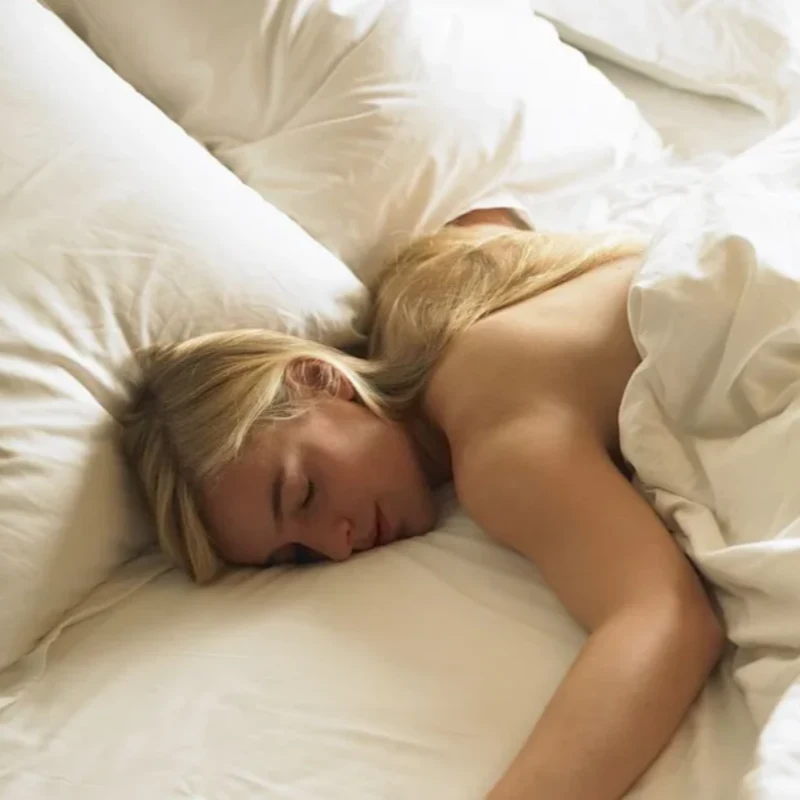
You might wonder if sleeping naked truly makes you healthier than slipping into pajamas. The answer isn’t one-size-fits-all. Sleeping naked can help your body cool down faster, which often leads to better sleep and even supports weight management.
Some research links sleeping nude to improved skin health, lower anxiety, and stronger relationships through skin-to-skin contact. Pajamas, on the other hand, help keep your bed more hygienic and can signal bedtime for your body.
Your comfort, hygiene needs, and personal routine matter most when choosing what’s best for your sleep.
Key Takeaways
Sleeping naked helps your body cool down faster, which can improve sleep quality and support weight management.
Sleeping nude benefits reproductive and skin health by keeping areas cooler and allowing your skin to breathe.
Wearing pajamas protects your bedding from sweat and allergens, helping those with sensitive skin or allergies.
Sleeping naked with a partner can increase intimacy and reduce stress through skin-to-skin contact and oxytocin release.
Choose sleepwear based on your comfort, hygiene needs, and lifestyle; clean bedding and a cool room improve sleep no matter what you wear.
Benefits of Sleeping Naked
Sleep Quality and Temperature
If you often wake up feeling too hot or find yourself tossing and turning, sleeping naked might help you get better sleep. When you remove pajamas, your body can release heat more easily.
This helps you reach the optimal temperature for sleeping, which is around 68°F (20°C). Your body naturally cools down at night to signal that it’s time to rest. Sleeping naked supports this process and promotes better sleep quality.
Sleeping naked prevents heat from getting trapped by clothing, so your body can cool down faster.
You allow more airflow over your skin, which can help you fall asleep faster and stay asleep longer.
The natural drop in core temperature triggers melatonin, the hormone that helps you sleep.
Dr. Shiyan Yeo, a sleep medicine expert, says, “Sleeping naked can help regulate body temperature, supporting deeper and more restorative sleep.” This means you may wake up feeling more refreshed and ready for the day.
The Sleep Council also points out that heavy pajamas and thick blankets can keep your body too warm, making it harder to get better sleep. Sleeping nude lets your body breathe and keeps you comfortable all night.
Some studies even show that improved thermoregulation from sleeping naked can lead to improved sleep and faster recovery after exercise.
Reproductive Health
You might not realize it, but sleeping naked can support both male fertility and vaginal health. For men, keeping the scrotal area cool is important for sperm health.
Tight underwear or pajamas can raise the temperature, which may lower sperm count and quality. Research shows that men who keep their bodies cooler at night have better sperm health and higher male fertility.
Sleeping naked lowers scrotal temperature, which helps protect sperm health.
Studies found that men who cooled their scrotal area at night had increased sperm concentration after 12 weeks.
Lower body temperature at night also helps you fall asleep faster and get improved sleep, which supports overall reproductive health.
For women, sleeping nude or in loose clothing allows air to circulate, keeping the vaginal area cooler and drier. This reduces the risk of yeast infections, which can affect vaginal health and even fertility. When you avoid tight, non-breathable fabrics, you create a healthier environment for your body.
Sleeping naked improves ventilation and reduces the chance of fungal or bacterial infections.
A cooler, drier environment supports vaginal health and lowers the risk of discomfort or infection.
Better sleep and less stress also play a role in reproductive health. When you sleep well, your mood stabilizes, and your body functions more smoothly. This can increase intimacy and even improve your chances of conception.
Skin and Body Confidence
Your skin loves to breathe at night. Sleeping naked gives your skin a break from tight or unwashed clothing, which can trap sweat, dirt, and bacteria. This helps reduce the risk of acne and other skin problems.
When you sleep at a cooler temperature, your skin heals and recovers more efficiently, so you wake up with a healthy glow.
Aspect | Evidence Summary |
|---|---|
Dermatological Benefits | Sleeping naked prevents trapping dirt, sweat, and bacteria caused by tight or unwashed clothing, reducing acne risk. |
Skin wound-healing is more efficient with adequate sleep and cooler temperatures, both facilitated by sleeping naked, aiding skin recovery and rejuvenation. | |
Psychological Benefits | Activities without clothing are linked to improved body image and self-esteem; sleeping naked may similarly boost self-esteem and body appreciation. |
Sleeping naked helps maintain cooler body temperature, which lowers cortisol (stress hormone) levels at night, improving mood and mental health, indirectly supporting confidence. | |
Additional Notes | Better sleep quality from sleeping naked may reduce stress and anxiety, further enhancing psychological well-being and body confidence. |
Healthy skin can boost your confidence. When you sleep well and take care of your skin, you feel better about yourself. Research shows that spending time naked, including sleeping in the nude, can improve body image and self-esteem. You start to appreciate your body more, which leads to greater confidence in daily life.
Dr. Shelby Harris, a sleep specialist, explains that sleeping naked can promote self-esteem and relationship closeness. The release of oxytocin, a hormone that reduces stress, helps you feel more comfortable in your own skin. This can make you feel happier and more confident, both alone and with a partner.
Intimacy and Mental Well-Being
Sleeping naked with a partner can bring you closer together. Skin-to-skin contact triggers the release of oxytocin, sometimes called the “love hormone.” This hormone reduces stress and anxiety, making you feel more relaxed and connected. When you share a bed without barriers, you may notice a stronger bond and more intimacy.
Sleeping naked with a partner can promote better self-esteem.
Physical touch during sleep triggers oxytocin release, which fosters bonding and reduces stress.
Co-sleeping leads to synchronized heart rhythms between partners.
Sleeping with a partner may increase REM sleep and overall sleep quality.
These effects contribute to enhanced intimacy and mental well-being.
Research shows that couples who sleep together, especially when sleeping nude, often feel more satisfied and experience fewer sleep problems. The need for closeness and security during sleep can outweigh the benefits of sleeping alone. You may find that you get better sleep and feel happier in your relationship.
Sleeping naked also supports mental health by reducing stress and anxiety. When you feel comfortable in your own skin and enjoy better sleep, your mood improves. You may notice less anxiety about your body and more confidence in your daily life. This simple change in your bedtime routine can have a big impact on your overall well-being.
Drawbacks of Sleeping Naked
Hygiene Concerns
Sleeping naked can feel freeing, but you might worry about keeping your bed clean. Without pajamas, your skin touches the sheets directly. This means sweat, oils, and even tiny bits of dirt or dead skin end up on your bedding faster. Some experts say there’s a small risk of fecal matter getting on your sheets, which isn’t very sanitary.
You can lower this risk by washing your sheets often—at least once a week. Dr. Dimitriu points out that the benefits of sleeping naked usually outweigh these concerns if you keep your bedding clean.
For women, sleeping naked can actually help prevent yeast infections because it lets air flow and keeps things dry. Regular cleaning is key to good sleep hygiene.
Tip: Shower before bed and change your sheets regularly to keep your sleep space fresh and healthy.
Allergies and Sensitivities
If you have allergies or sensitive skin, sleeping naked might not always feel comfortable. Your skin touches the bedding directly, so dust mites, pet dander, or even mold can cause problems. Dust mites love dead skin cells and can trigger sneezing, coughing, or congestion.
Some bedding materials, especially synthetic fabrics, can irritate your skin or make conditions like eczema worse. Dermatologists suggest using hypoallergenic sheets to help protect your skin. If you notice irritation or allergy symptoms, you might want to wear loose, breathable pajamas or switch to better bedding.
Allergen | Possible Reaction | Solution |
|---|---|---|
Dust mites | Sneezing, congestion | Hypoallergenic bedding |
Pet dander | Itchy skin, rashes | Wash sheets frequently |
Synthetic fabric | Skin irritation | Use natural fibers |
Practical Considerations
Sleeping naked isn’t always easy for everyone. You might feel too cold at night, especially if your room gets chilly. Your body temperature drops while you sleep, so you could wake up shivering. Adjusting your room temperature or using extra blankets can help. Privacy is another issue.
If you live with roommates, have kids, or worry about emergencies, you may want to keep clothes nearby. Some people find sleeping naked more comfortable, but if you feel awkward or exposed, loose pajamas made from natural fibers are a great alternative. Wearing socks or gloves can also help you stay warm without feeling restricted.
Note: If you sleepwalk or live in an area with frequent emergencies, consider your safety and privacy before ditching pajamas.
When Pajamas Are Better?
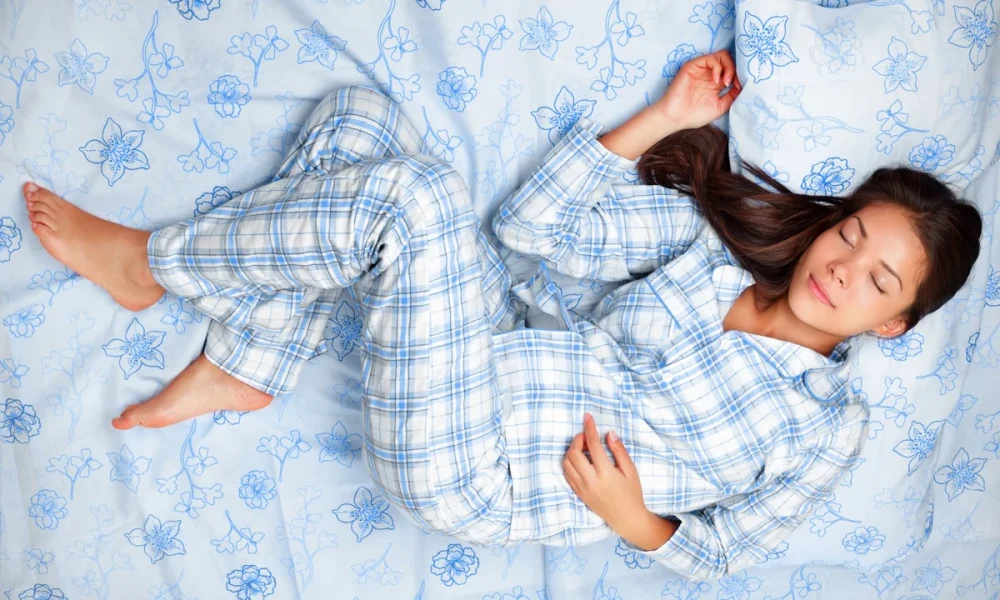
Who Should Choose Pajamas?
You might find pajamas are the better choice if you have allergies, sensitive skin, or want extra protection for your bedding. Pajamas create a barrier between your skin and your sheets, which helps keep sweat, oils, and bacteria off your bed. This can lower your risk of skin irritation, rashes, and infections.
If you get cold easily or sleep in a chilly room, pajamas made from warm fabrics like organic cotton or flannel help you stay cozy all night. Some people feel more secure and relaxed when they wear pajamas, which can make it easier to fall asleep and stay asleep.
Pajamas help regulate your body temperature, keeping you comfortable in both warm and cold environments.
They protect your skin from allergens and dust mites in bedding.
Loose-fitting pajamas allow you to move freely and avoid skin irritation.
Wearing pajamas can reduce the risk of skin infections and nighttime discomfort.
If you skip underwear under your pajamas, you can prevent moisture buildup and irritation.
Pajama Material Matters
Choosing the right pajama fabric makes a big difference for your sleep and skin health. Natural, breathable materials like cotton, bamboo, and Tencel let air flow and wick away moisture, so you stay cool and dry.
These fabrics feel gentle on your skin and help prevent itching, friction, and allergic reactions. If you have sensitive skin, look for pajamas with tagless labels and flat seams to avoid irritation.
Fabric Type | Benefits for Sleep & Skin |
|---|---|
Cotton | Breathable, soft, reduces irritation |
Antibacterial, moisture-wicking | |
Extra breathable, cool, hypoallergenic | |
Regulates temperature, gentle on skin | |
Insulating, great for cold nights |
Lightweight cotton or bamboo works well for hot sleepers, while flannel or thermal cotton keeps you warm in winter. Pajamas made from natural fibers also act as a shield against allergens and dust in your bedding, supporting healthy skin.
Tip: Pajamas with elastic-free waistbands and soft seams help you sleep comfortably without tightness or irritation.
Friendtex Pajamas for Comfort
If you want pajamas that combine luxury, comfort, and sustainability, Friendtex offers a range of premium options. You can choose from soft modal, silky Tencel, organic cotton, bamboo, and even silk.
These fabrics feel smooth, wick away moisture, and help regulate your body temperature, making them perfect for sensitive skin and hot sleepers. Friendtex pajamas feature thoughtful designs like tagless printing and flatlock seams, so you avoid itching and sleep better.
Friendtex stands out for its eco-friendly approach, using renewable materials and certified safe fabrics. You can customize your pajamas with different styles, colors, and even your own branding.
Customers and dermatologists praise Friendtex pajamas for reducing irritation and improving sleep comfort. Whether you want a classic button-down set, a cozy nightgown, or matching family pajamas, Friendtex lets you create sleepwear that fits your needs and style.
You deserve pajamas that help you sleep well and feel great. Friendtex makes it easy to find your perfect match for a restful night.
Tips to Start Sleeping Naked
Preparing Your Sleep Environment
Ready to try sleeping naked? Start by making your bedroom a cozy and private space. Sleep experts suggest keeping your room cool, between 60 and 67 degrees Fahrenheit, to help you fall asleep faster and enjoy deeper rest. You can cover your windows to block out light and keep your space private.
If you share your home, a sign on your door can let others know you want some privacy. Set up a relaxing spot with soft pillows or throws where you can unwind before bed. Keep a robe or blanket nearby in case you need to leave your room quickly.
These simple steps make it easier to feel comfortable and confident as you begin your journey.
Bedding and Hygiene
Clean bedding is key when you sleep without pajamas. Your skin touches the sheets directly, so you want to keep everything fresh. Change your sheets more often—at least once a week. Shower before bed to wash away sweat and dirt, which helps keep both your body and your bedding clean.
Use hypoallergenic detergents to avoid skin irritation. Fresh sheets and a clean body help you wake up feeling refreshed and reduce the risk of skin problems. Sleeping naked also lets your skin breathe, lowering the chance of infections like athlete’s foot or jock itch.
Tip: Choose bedding made from soft, breathable fabrics like cotton or bamboo for extra comfort.
Communicating with Partners or Roommates
If you live with others, talking about your new sleep routine helps avoid awkward moments. Let your partner or roommates know you want to try sleeping nude. You can explain the health benefits and ask for their support.
Setting boundaries and sharing your reasons makes everyone feel more comfortable. If privacy is a concern, keep a robe or towel handy for unexpected visitors.
If you decide that pajamas are a better fit for your lifestyle, Friendtex offers a wide range of comfortable, breathable options. Their pajamas use high-quality fabrics and thoughtful designs, so you can enjoy restful sleep and stay cozy.
These tips to start sleeping naked can help you feel confident and relaxed as you make the switch.
Sleeping Naked vs Pajamas: Which Is Healthier?
Personal Comfort
When you think about what helps you get better sleep, comfort comes first. Your personal preferences shape your sleepwear habits more than any rule. Some people love the cool, free feeling of sleeping naked, while others feel safer and more relaxed in pajamas. Take a look at how different factors play a role:
Factor | Sleeping Naked | Wearing Pajamas |
|---|---|---|
Temperature | Keeps you cool, great for hot sleepers | Breathable fabrics add warmth in cold rooms |
Stress/Security | Might cause stress or vulnerability | Offers security, lowers stress |
Health | Avoids tightness and irritation | Loose, soft pajamas protect skin |
Social/Environmental | Best when alone or with a partner | Good for privacy in shared spaces |
Bedding Impact | Sheets need more washing | Pajamas protect bedding |
Dr. Raj Dasgupta, a sleep expert, says your comfort with temperature and security can help you fall asleep faster. If you feel anxious without clothes, pajamas might be the healthier choice for you.
Health and Lifestyle Factors
Your daily routine and health needs also matter. Sleeping naked can help your body cool down, which may lead to better sleep and even support hormone balance.
Keeping your room between 60 and 67 degrees Fahrenheit helps you sleep well, no matter what you wear. If you have allergies or sensitive skin, pajamas made from natural fabrics like cotton or bamboo can protect your skin and bedding.
Lifestyle plays a big part, too. If you live with others or need to be ready for emergencies, pajamas offer more coverage and peace of mind. Good hygiene is important either way—shower before bed and wash your sheets or pajamas often.
Communicate with your partner about your sleepwear habits to make sure everyone feels comfortable.
Making the Best Choice
There’s no single answer for everyone. You might want to try both options and see which helps you relax and get better sleep. Here are some tips to guide your decision:
Gradually adjust your sleepwear habits to find what feels best.
Use lightweight, breathable bedding for comfort.
Keep your room cool for a restful night.
Choose pajamas if you want extra warmth or privacy.
Listen to your body and change things up as your needs shift.
Remember, the healthiest choice is the one that helps you feel comfortable, safe, and well-rested.
Conclusion
You have plenty of options when it comes to sleepwear. Both sleeping naked and wearing pajamas offer unique health benefits. Experts say you should focus on comfort, hygiene, and your personal needs.
Try both approaches to see which helps you sleep best. Remember, high-quality pajamas made from breathable fabrics, like those from Friendtex, can make a big difference if you prefer sleepwear.
Prioritize restful sleep, clean bedding, and a routine that fits your lifestyle. Your best choice is the one that helps you wake up refreshed.
FAQ
Can sleeping naked help me fall asleep faster?
Yes, sleeping naked can help your body cool down quickly. When you feel cooler, you may fall asleep faster and enjoy deeper rest. Try it for a few nights and see if you notice a difference.
Is it safe to sleep naked if I have allergies?
If you have allergies, you might want to wear pajamas. Pajamas can protect your skin from dust mites and other allergens in your bedding. You can also use hypoallergenic sheets for extra comfort.
How often should I wash my sheets if I sleep naked?
You should wash your sheets at least once a week if you sleep naked. Clean sheets help keep your skin healthy and your bed fresh. If you sweat a lot, you may want to wash them more often.
What fabrics are best for pajamas if I don’t want to sleep naked?
Look for pajamas made from breathable fabrics like cotton, bamboo, or Tencel. These materials feel soft, wick away moisture, and help you stay cool. Friendtex offers many options in these fabrics for extra comfort.
Will sleeping naked improve my relationship with my partner?
Sleeping naked with your partner can boost intimacy. Skin-to-skin contact releases oxytocin, the “love hormone.” This can help you feel closer, reduce stress, and even improve your mood.