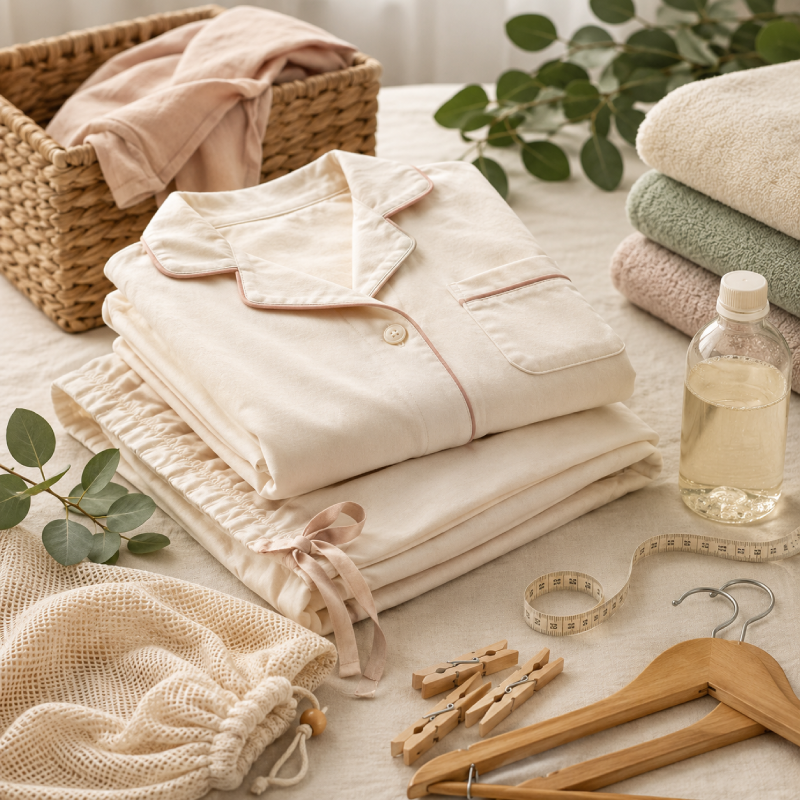
Most of us don’t give our pajamas a second thought until they start looking like they’ve been through a war—faded, pilled, stretched out, or just not as cozy as they used to be. And then we wonder why. The truth is, our sleepwear goes through a lot. We wear them for hours every night, toss and turn in them, and then throw them in the wash with everything else, expecting them to stay perfect forever.
But here’s the good news: with just a few small changes to how you care for them—what we at Friendtex like to call a practical Sleepwear Care Guide—your favorite pajamas can stay soft, vibrant, and comfortable for years. And we’re not talking about complicated, time-consuming rituals. Just simple, intentional habits that make a real difference.
Key Takeaways
Understand your pajama fabric composition before the first wash to choose the right water temperature, detergent, and drying method for each material.
Establish a realistic washing schedule—every three to four wears—to minimize unnecessary fiber stress and extend the overall lifespan of your sleepwear.
Turn your pajamas inside out before every wash cycle to protect prints, reduce surface friction, and prevent premature fading and pilling.
Avoid high heat throughout the entire care process—from washing water to dryer settings—to prevent shrinkage, seam weakness, and elastic damage.
Eliminate fabric softener from your routine and replace it with white vinegar in the rinse cycle to maintain breathability and natural fiber softness.
Adopt a rotation system across multiple pajama sets to allow each pair adequate recovery time, preserving both shape and structural integrity over the long term.
Know Your Fabric: A Practical Breakdown
Most people buy pajamas based on look and touch, then treat every pair exactly the same way in the laundry. That’s like using the same cleaning method for a wool sweater and a cotton t-shirt—it just doesn’t work. So let’s break down the most common sleepwear fabrics, what makes each one unique, and exactly how to handle them so they stay in rotation for years.
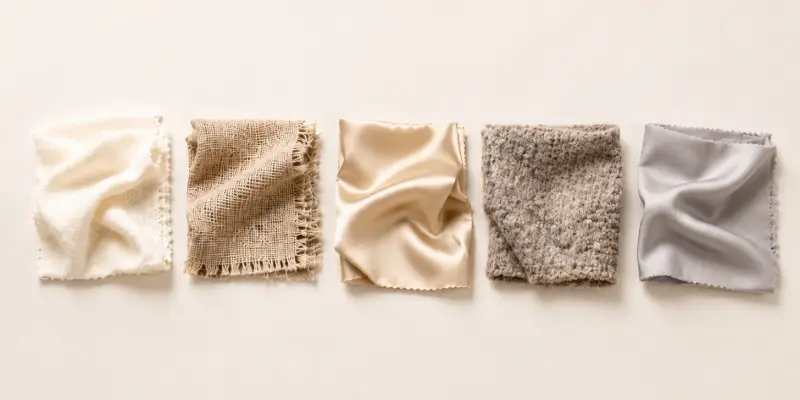
Cotton — The Everyday Workhorse
Cotton is the most common sleepwear fabric for a reason. It’s breathable, natural, affordable, and gets softer with every wash—if you treat it right.
What to love about it:
- Highly breathable and moisture-absorbent
- Hypoallergenic and gentle on sensitive skin
- Easy to find in a wide range of weights (from lightweight voile to cozy flannel)
The catch:
Cotton shrinks. Especially if you throw it in hot water or a high-heat dryer. Over time, the fibers can also weaken if washed too aggressively, leading to thinning in high-friction areas like the underarms and waistband.
How to care for it:
Do | Don’t |
|---|---|
Wash in cold or lukewarm water | Use hot water—it shrinks and fades |
Turn inside out to protect prints | Overload the washer—friction causes pilling |
Tumble dry on low or air dry | Crank up the heat in the dryer |
Iron on medium heat if needed | Use bleach—it breaks down cotton fibers |
Pro tip: If you love that crisp, cool feeling of cotton against your skin, skip the fabric softener. It coats the fibers and reduces that natural breathability. Instead, add ½ cup of white vinegar to the rinse cycle for naturally soft results.
Silk — The Luxury That Demands Respect
Silk pajamas feel like a dream—literally. But they’re also the most high-maintenance fabric in your drawer.
What to love about it:
- Naturally temperature-regulating (cool in summer, warm in winter)
- Ultra-smooth and gentle on skin and hair
- Hypoallergenic and resistant to dust mites
The catch:
Silk is protein-based, which means it’s vulnerable to heat, harsh chemicals, and friction. It can weaken, lose its sheen, or develop water spots if not handled properly.
How to care for it:
Do | Don’t |
|---|---|
Hand wash in cold water with silk-specific detergent | Use regular detergent—it contains enzymes that damage silk |
Gently press out water with a towel (never wring) | Wring, twist, or scrub—it breaks the fibers |
Lay flat to dry in the shade | Hang while wet—the weight stretches the fabric |
Iron on the lowest setting with a pressing cloth (or steam) | Use high heat or direct iron contact |
Pro tip: Always wash silk separately from other fabrics. Even a stray zipper or rough cotton trim can snag and pull the delicate threads. And if you’re short on time? Dry cleaning is a perfectly acceptable backup plan for silk—just make sure the cleaner knows it’s delicate.
Modal, Bamboo & TENCEL™ — The Modern Soft-Touch Trio
These plant-based fibers have exploded in popularity over the last few years, and for good reason. They’re incredibly soft, drape beautifully, and are more sustainable than traditional cotton. But they have their own quirks.
What to love about them:
- Exceptionally soft and silky to the touch
- Highly breathable and moisture-wicking (great for hot sleepers)
- Eco-friendly and derived from renewable sources
The catch:
These fibers are sensitive to heat and prone to shrinkage if you’re not careful. They can also pill if rubbed against rough fabrics or washed on harsh cycles.
How to care for them:
Do | Don’t |
|---|---|
Wash in cold water on a gentle or delicate cycle | Use warm or hot water—they shrink easily |
Use a mild, eco-friendly detergent | Use bleach or optical brighteners |
Air dry flat or hang to dry | Put them in the dryer—heat damages the fibers |
Wash with similar lightweight fabrics | Wash with heavy items like jeans or towels |
Pro tip: TENCEL™ and modal actually get softer with each wash when cared for properly. To maintain that buttery feel, avoid any detergent with enzymes or alkaline additives—they can strip the fibers and make them feel rougher over time.
Flannel — Winter’s Cozy Companion
Flannel pajamas are synonymous with chilly nights and hot cocoa. That brushed, fuzzy surface traps warmth and feels like a hug. But that same fuzzy surface is also a magnet for pilling.
What to love about it:
- Incredibly warm and insulating
- Gets softer with age (if cared for well)
- Durable and holds up to regular wear
The catch:
The brushed surface creates friction, which leads to pilling—those little fabric balls that make your pajamas look old and feel rough. Flannel also shrinks significantly if exposed to heat.
How to care for it:
Do | Don’t |
|---|---|
Wash in cold water on a gentle cycle | Use hot water—it shrinks and fades |
Turn inside out to reduce surface friction | Dry on high heat—it damages the brushed surface |
Air dry or tumble dry on low | Over-dry—heat sets in shrinkage |
Remove from dryer promptly and shake out | Leave it sitting in the dryer—creases set in |
Pro tip: To minimize pilling, wash flannel inside out and avoid washing it with rougher fabrics like denim or towels. And if pills do appear, a fabric shaver or a gentle pass with a pumice stone can safely remove them without damaging the weave.
Polyester & Synthetic Blends — Budget-Friendly and Functional
You’ll often find polyester in affordable sleepwear, novelty prints, or thermal pajamas. While not as breathable as natural fibers, it’s durable, wrinkle-resistant, and holds color well.
What to love about it:
- Affordable and widely available
- Resists shrinking and wrinkling
- Dries quickly
The catch:
Synthetics don’t breathe as well, which can trap heat and moisture. They’re also prone to static cling and can develop a lasting odor if not washed properly.
How to care for it:
Do | Don’t |
|---|---|
Wash in warm water with regular detergent | Use hot water—it can melt or warp synthetic fibers |
Turn inside out to protect prints | Use fabric softener—it increases static buildup |
Tumble dry on low or medium | Overdry—it creates static and stiffness |
Remove promptly from dryer to prevent wrinkles | Iron on high heat—synthetics can melt |
Pro tip: If your polyester pajamas start holding onto odors (especially in the armpit area), add a cup of white vinegar to the wash cycle. It breaks down the bacteria that gets trapped in synthetic fibers and neutralizes smells without damaging the fabric.
Quick Fabric Comparison Table
| Fabric | Breathability | Durability | Care Effort | Shrinkage Risk | Best For |
|---|---|---|---|---|---|
| Cotton | ★★★★★ | ★★★★☆ | Low | Medium | Year-round comfort |
| Silk | ★★★★☆ | ★★☆☆☆ | High | Low | Luxury & travel |
| Modal/Bamboo/TENCEL™ | ★★★★★ | ★★★☆☆ | Medium | High | Hot sleepers |
| Flannel | ★★★☆☆ | ★★★★☆ | Medium | High | Cold winter nights |
| Polyester/Synthetics | ★★☆☆☆ | ★★★★★ | Low | Low | Budget & fun prints |
The One Rule That Applies to Every Fabric
No matter what your pajamas are made of, there’s one universal rule that protects them all: Turn them inside out before washing. This single step reduces friction on the outer surface, protects prints and embellishments, and keeps colors from fading prematurely. It takes two seconds but adds months—even years—to your sleepwear’s life.
Rethink Your Washing Habits
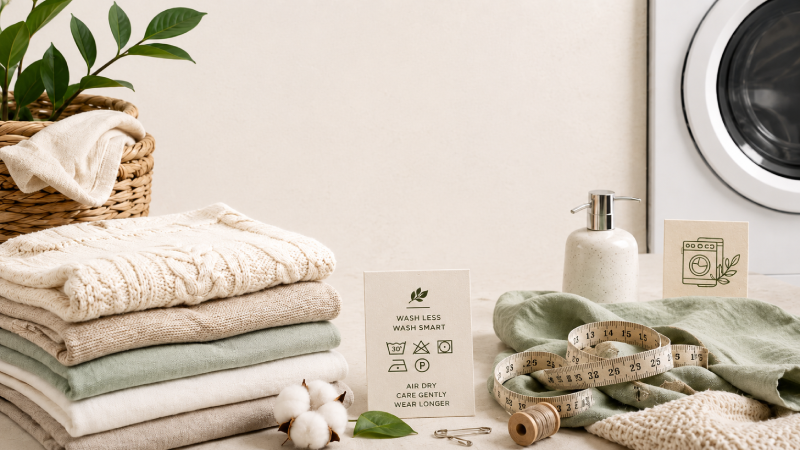
One of the biggest mistakes we make is overwashing. Unless you’re a heavy sweater or you’ve had a particularly messy night, pajamas don’t need to be washed after every single wear. Washing them every three to four wears is usually plenty to keep them fresh without putting unnecessary stress on the fabric. If you shower before bed and don’t overheat, you can often get even more wear out of them.
On the flip side, if you lounge in them all day or skip underwear, you’ll want to wash more frequently.
When it is time to wash, here’s the golden rule: turn them inside out. This simple step protects prints, trims, and delicate fibers from friction and helps reduce fading and pilling. Wash on a gentle cycle with cold water—it keeps colors vibrant and prevents shrinkage. And never, ever overload the machine; clothes need room to move freely to avoid creasing and friction.
Choose Your Detergent Wisely
That heavily scented, super-strength detergent might smell amazing, but it can be harsh on delicate sleepwear fibers over time. Harsh enzymes and bleach alternatives break down fabric, causing them to lose softness and color. Opt for a mild, pH-balanced detergent—ideally one labeled “for delicates” or “sensitive skin.”
Here’s a tip that might surprise you: skip the fabric softener. While it makes clothes feel smooth in the short term, it actually coats the fibers with a film that reduces breathability, traps odors, and can make fabrics feel stiff over time. For cotton pajamas, a natural alternative is to add a splash of white vinegar to the rinse cycle—it softens and deodorizes without any damaging buildup.
And if you’re dealing with stubborn odors, a natural solution like lemon juice mixed with lukewarm water works wonders on delicate fabrics.
Dry with Care—Heat Is the Enemy
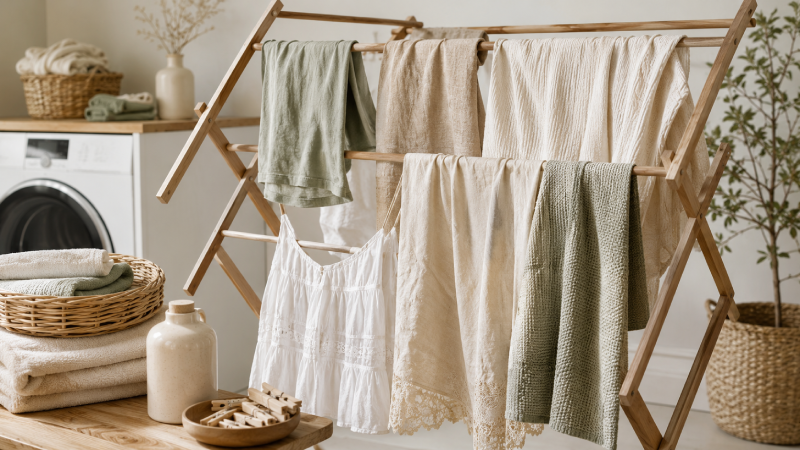
If there’s one thing that damages sleepwear faster than anything else, it’s high heat in the dryer. Heat weakens seams, makes elastic go saggy, shrinks fibers, and accelerates fading. The best way to dry your pajamas is to air dry them—lay them flat or hang them in a well-ventilated area away from direct sunlight.
If the weather’s humid, using a dehumidifier or placing them near a fan can speed things up without damaging the fabric.
If you absolutely must use a dryer, use the lowest heat setting and remove them while they’re still slightly damp to prevent overdrying. For silk, avoid the dryer entirely—it’s simply too risky.
Store Them Thoughtfully
How you store your sleepwear matters just as much as how you wash it. Avoid just shoving them into a drawer—treat them with a little respect. Fold heavier fabrics like flannel or knits to prevent stretching, and use padded hangers for silk or satin to maintain their shape. Keep pajamas away from zippers, hooks, or rough fabrics that could snag them.
In humid climates, store them in a cool, dry place with a lavender sachet or a breathable cotton storage bag to prevent moisture buildup and mildew.
Rotate Your Sets
Think of your pajamas like your favorite shoes—you wouldn’t wear the same pair every single night, right? Rotating between two or three sets gives each one time to “rest,” allowing the fibers to bounce back and the elastic to regain its shape. It also spreads out the wear and tear, meaning each pair lasts significantly longer.
Final Thoughts: A Little Care Goes a Long Way
Caring for your sleepwear isn’t just about saving money—it’s about preserving the comfort and quality that make bedtime something to look forward to. The way your favorite set feels against your skin, the way it drapes just right—that’s worth protecting. And honestly, taking that extra moment to treat your pajamas well is a small act of self-care.
Because when you invest in pieces you love, they deserve to last. And when they do, every night feels just a little bit more special.
At Friendtex, we’re more than a sleepwear manufacturer—we’re your partner in creating products that customers genuinely love and keep coming back to. With years of experience in fabric selection, quality control, and custom manufacturing, we know exactly what it takes to make pajamas that last.
Looking to launch your own sleepwear line? Whether you need:
- Custom fabric blends (cotton, silk, modal, bamboo, and more)
- Private label manufacturing
- Sustainable and ethical production options
- Expert guidance on design and material selection
We’ve got you covered.
👉 Send us an inquiry today and let’s start a conversation about your next collection. Whether you’re a startup or an established brand, we’re ready to bring your vision to life.