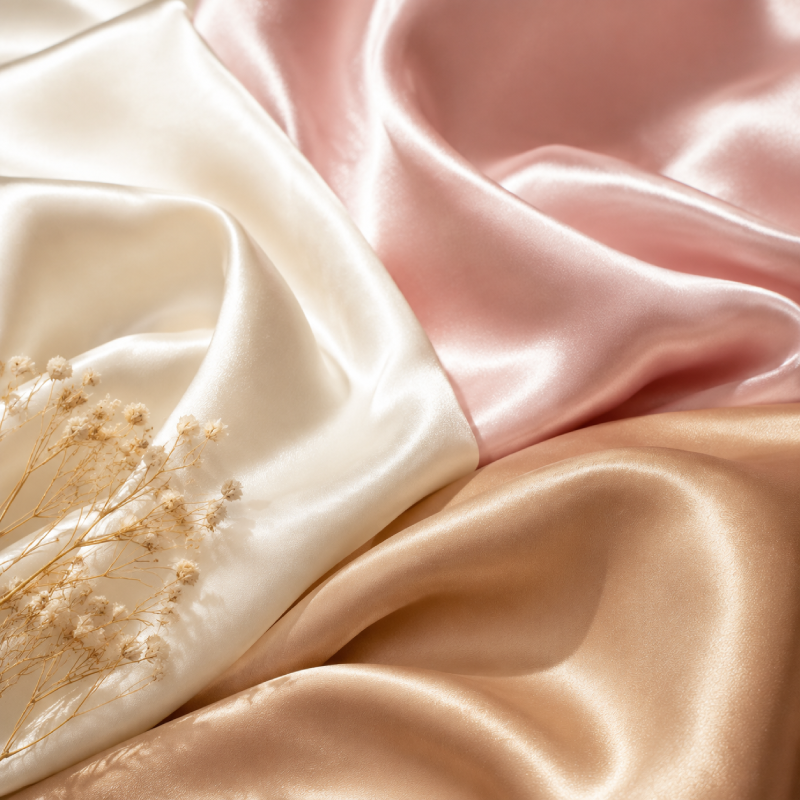
When you think of satin, words like luxurious, smooth, and elegant probably jump to mind. It’s a staple in everything from high-end evening gowns to the coziest loungewear. But if you’re new to textiles, you might be wondering: what actually makes something “satin”?
If you’ve ever found yourself confused about what satin is, how it differs from silk, or how to take care of it, you’re in the right place. Consider this your friendly, hassle-free introduction to the world of satin.
The Big Myth: Satin is Not a Raw Material
The single biggest misconception about satin is that it’s a natural fiber like cotton, wool, or silk.
Satin is not a raw material; it is a type of fabric weave.
This means “satin” refers to how the threads are woven together, not what the threads are made of. To create that signature satin finish, weavers use a specific structure where four or more vertical threads (the warp) float over a single horizontal thread (the weft).
Because these long, uninterrupted threads sit right on the surface, they absorb very little light. The result? A fabric that boasts a stunningly glossy, lustrous front side and a dull, matte back side.
Key Takeaways
It is a Weave, Not a Fiber: Satin refers strictly to the specific weaving technique, not the raw material (it can be crafted from silk, polyester, or nylon).
High-Gloss Shine: The unique weaving pattern leaves long threads floating on the surface, creating a signature luxurious, lustrous sheen.
Signature Double-Sided Texture: Authentic satin features a distinctly glossy, smooth front side and a dull, matte backside.
Friction-Free Smoothness: Its exceptionally silky texture minimizes friction, making it incredibly gentle on both hair and sensitive skin.
- Unmatched Comfort & Durability: High-quality satin fabric delivers exceptional softness, great durability, and natural moisture-wicking benefits—making it the ultimate choice for lasting comfort in premium sleepwear like Friendtex pajamas.
What is Satin Fabric
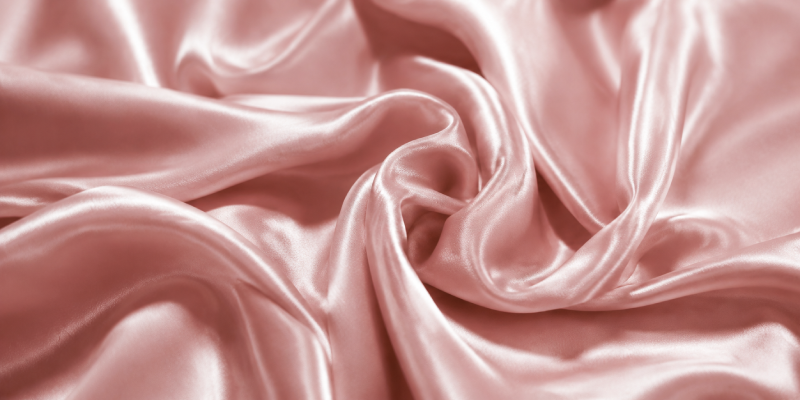
The satin weave is one of the three fundamental manufacturing methods used in textile weaving, alongside the plain weave and the twill weave. It is a highly specialized interlacing technique designed to produce an exceptionally smooth, lustrous surface on one side of the fabric.
Here is a structural breakdown of exactly how a satin weave works:
The Floating Yarn Concept
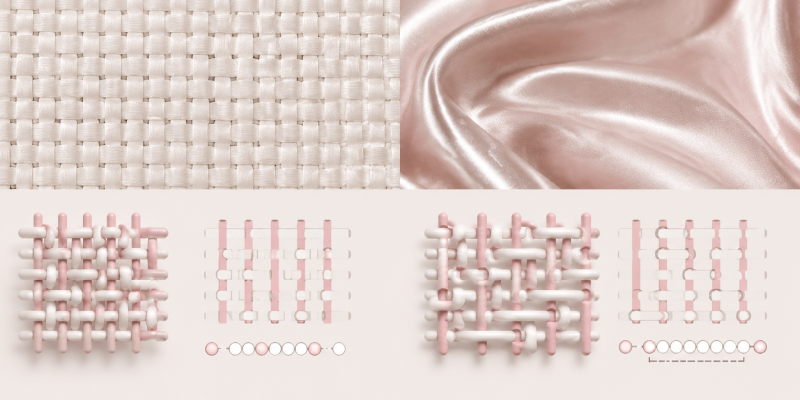
In standard weaving, vertical threads are called the warp, and horizontal threads are called the weft (or fill).
In a plain weave, threads intersect in a strict one-over, one-under pattern.
In a satin weave, a single yarn passes over multiple perpendicular yarns before passing under just one. This exposed, un-interlaced thread length is called a float.
Satin and Its Look-Alikes: What Sets It Apart?
In the textile world, Satin is frequently confused with other fabrics that either look similarly shiny or share a similar name. The secret to telling them apart lies in understanding two key factors: the weave structure (how threads intersect) and the fiber content (the raw material ingredient).
Here is how satin directly compares to its four closest fabric counterparts in English, formatted perfectly for a clean, professional blog presentation.
Satin vs. Silk
The Core Difference: Silk is the fiber ingredient, whereas satin is the weave structure.
How to Tell Them Apart:
Silk refers strictly to the natural protein fiber harvested from silkworm cocoons.
Satin refers strictly to the weaving technique where long rows of thread “float” on the surface.
The Relationship: You can have 100% natural silk woven into a satin pattern (known as premium Silk Charmeuse or Silk Satin). Alternatively, you can have synthetic polyester woven into a satin pattern (Polyester Satin).
The Relationship: You can have 100% natural silk woven into a satin pattern (known as premium Silk Charmeuse or Silk Satin). Alternatively, you can have synthetic polyester woven into a satin pattern (Polyester Satin).
Satin vs. Sateen
The Core Difference: Warp-faced (Satin) vs. Weft-faced (Sateen), using entirely different raw materials.
How to Tell Them Apart:
Satin is woven from long, continuous filament fibers (like silk or polyester) where the vertical warp threads float on top, creating a mirror-like, ultra-glossy luster and cool, slick hand-feel.
Sateen is woven from short-staple spun yarns—most commonly 100% combed cotton—where the horizontal weft threads float on top.
The Experience: Sateen retains the deep absorbency, warmth, and breathability of pure cotton, but the satin weave gives it a soft, muted, and sophisticated sheen.
Because sateen is weightier and less slippery than satin, it is the absolute gold standard for high-end hotel bedding rather than slinky apparel.
Satin vs. Taffeta
The Core Difference: Fluid fluidity (Satin) vs. Crisp structure (Taffeta).
How to Tell Them Apart:
Satin is woven from long, continuous filament fibers (like silk or polyester) where the vertical warp threads float on top, creating a mirror-like, ultra-glossy luster and cool, slick hand-feel.
Taffeta uses a very tight, classic plain weave (a basic “one-over, one-under” checkerboard layout) that yields a smooth but highly flat surface with minimal shine.
Satin vs. Crepe Fabric
The Core Difference: Mirror smoothness vs. Puckered textures.
How to Tell Them Apart:
Satin is engineered to be perfectly flat, continuous, and light-reflective.
Crepe fabric is crafted using highly twisted yarns that naturally shrink and ripple during manufacturing, giving the surface a distinct crinkled, pebbled, or granular texture with a fully matte finish.
Core Characteristics of Satin Fabric: The Friendtex Luxury Experience
Understanding the physical characteristics of a satin weave is the key to knowing why it feels so exceptional against your skin.
When premium craftsmanship meets high-quality materials—as seen in Friendtex Satin Pajamas—these characteristics transform a basic garment into a lasting wellness investment.
Liquid-Smooth Draping & Tailored Comfort
Because a satin weave has minimal interlacing knots, the fabric is incredibly flexible. It flows like water and effortlessly contours to the body without bunching or pulling.
Friendtex leverages this structural fluidity through precise, meticulous manufacturing—ensuring their pajamas offer an elegant drape that moves with you through the night, providing an unrestricted, weightless feel.
Friction-Free Protection for Hair & Skin
The long, continuous “floating” yarns on the face of satin create a surface with zero rough texture. This friction-free environment means your skin doesn’t tug and your hair doesn’t snag while you toss and turn, actively preventing morning frizz and sleep creases.
Sustainable Breathability & Moisture-Wicking
While low-grade synthetic satins can trap heat and feel suffocating, high-quality engineering changes the game entirely.
By prioritizing advanced, sustainable material sourcing, Friendtex utilizes premium, eco-conscious satin fabric that inherently delivers deep softness and natural moisture-wicking benefits. This allows your skin to breathe cleanly, keeping you cool, dry, and comfortable across all seasons.
Lasting Durability Over Time
The greatest vulnerability of basic satin is its tendency to snag or fray due to loose surface threads. Friendtex solves this textile challenge through high-density weaving and reinforced stitching.
By combining sustainable fibers with rigorous, fine manufacturing standards, they ensure the fabric retains its glossy luster, integrity, and structural strength wash after wash.
Types of Satin Fabrics
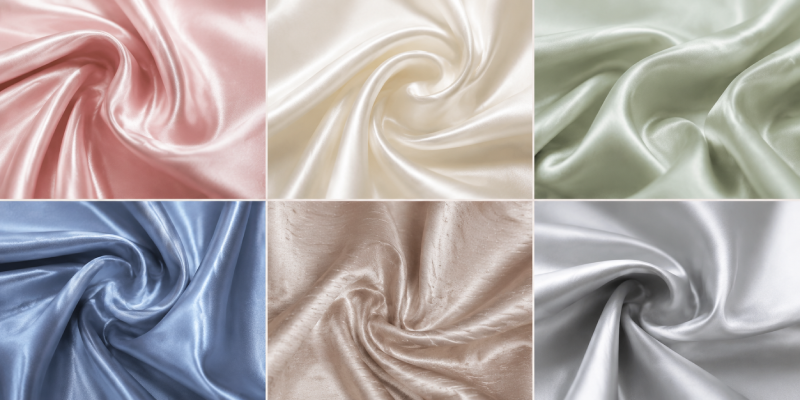
Let’s break down the different types of satin fabrics you’ll encounter in the loungewear world so you can find the perfect match for your nightly routine.
Understanding Satin Types by Material Ingredients
Because satin describes the weave rather than the fiber, the “ingredients” inside the fabric determine how it performs, feels, and breathes. Below is a quick-reference guide to how satin is categorized by its raw materials:
Material | Key Features | Best Uses |
|---|---|---|
Polyester Satin | Highly cost-effective, extremely durable, wrinkle-resistant, and holds shape well. | Clothing linings, bag interiors, craft ribbons, and budget-friendly sleepwear. |
Silk Satin | Made from 100% natural mulberry silk. Ultra-smooth, highly breathable, luxury sheen, and excellent skin affinity. | Premium evening gowns, luxury bridal wear, high-end pajamas, and silk pillowcases. |
Sateen (Cotton Satin) | Crafted using 100% cotton yarns with a satin weave. Combines cotton’s breathability with a soft, subtle luster. | High-end bedding collections, luxury sheets, and premium dress shirts. |
Understanding Satin Types by Craft & Characteristics
Beyond raw ingredients, the specific manufacturing craft used during weaving or post-processing can completely change the texture, elasticity, and function of the fabric:
Craft Type | Texture & Sheen | Example Apparels |
|---|---|---|
Stretch Satin | Spandex threads are added to blend rich satin luster with comfortable elastic stretch. | Form-fitting women’s fashion, evening gowns, and snug lingerie. |
Twistless Satin | Woven with untwisted yarns, resulting in an ultra-smooth hand-feel and pure, high brilliance. | Premium loungewear, cozy pajamas, high-grade linings, and decorative ribbons. |
Slub Satin | Created using specialized slub yarns with irregular thicknesses for a unique slub texture and 3D look. | Designer fashion pieces, outerwear, and vintage-style garments. |
| Calendered / Composite | Treated with heat-pressure rolling or composite backing for a mirror-like high gloss or waterproof structure. | Crisp trench coats, structured high-fashion gowns, and functional luxury bags. |
Pros and Cons of Satin Fabrics
The Benefits (The Pros)
Fluid, Liquid-Like Drape: The loose distribution of interlacing points gives satin high flexibility. It flows smoothly over body contours rather than sticking or bunching, making it an ideal choice for elegant apparel.
Luxurious Aesthetic: The parallel alignment of the top fibers reflects light directly rather than scattering it. This geometric layout produces a brilliant, high-gloss luster that instantly elevates any design.
- Hypoallergenic Options: When executed with high-quality natural fibers (such as mulberry silk), it actively repels dust mites and allergens while remaining highly breathable for temperature regulation.
The Drawbacks (The Cons)
Susceptibility to Snagging: The very feature that makes satin shiny—its long, exposed surface threads—also makes it delicate. Rough fingernails, jewelry, or sharp pet claws can easily catch and pull the fibers, causing small loops or frays.
Specific Care Requirements: Satin does not tolerate harsh friction or high heat. It often requires cold, gentle machine cycles inside protective mesh bags, absolute avoidance of the tumble dryer, and low-heat ironing strictly on the matte backside to prevent permanent scorch marks.
Breathability Variations: The airflow depends entirely on the raw fiber used. While silk or cotton satins are deeply breathable, low-grade, tightly woven synthetic polyester satins can sometimes trap heat and moisture, leading to a humid environment during sleep.
Conclusion
Now you have the foundational knowledge! Satin isn’t a complex mystery—it’s just a brilliant, time-tested weaving technique that brings out the absolute smoothest potential of a thread. While its unique floating-thread structure requires a bit of mindful care, the unmatched benefits of friction-free comfort, fluid drape, and timeless elegance make it well worth the investment.
As you have discovered, navigating the world of satin comes down to choosing high-quality manufacturing and premium material selection. If you are looking for products you can truly trust, Friendtex offers exceptionally crafted satin and fine knit sleepwear that perfectly balances cloud-like comfort, long-lasting durability, and effortless style.
Try incorporating premium satin into your next lifestyle investment or design project, and feel the luxurious difference it brings to your nightly routine and wardrobe!
FAQ
Can satin pajamas be machine washed?
Yes, if they are synthetic. Turn them inside out, place them in a mesh laundry bag, and use a cold, gentle cycle. For luxury 100% silk satin, hand washing or dry cleaning is always best.
Will satin make me sweat at night?
Only if it’s low-quality synthetic. Tight, cheap polyester traps heat. High-quality pairs—like Friendtex pajamas—use premium, breathable, and sustainable materials engineered to wick moisture and keep you cool.
How do I safely remove wrinkles
Never use high heat. Turn the garment inside out and iron on the dull, matte backside using the lowest setting and a pressing cloth. A garment steamer used from a distance is even safer.
Is satin actually good for hair and skin?
Yes. The friction-free surface allows your hair and skin to glide smoothly over the fabric. This actively prevents morning hair frizz, breakage, and overnight sleep creases.
How do I stop static cling?
Static happens mostly with synthetic fibers. To fix it, always air-dry your satin instead of using a dryer. You can also lightly mist it with static guard or apply lotion to your skin before wearing.