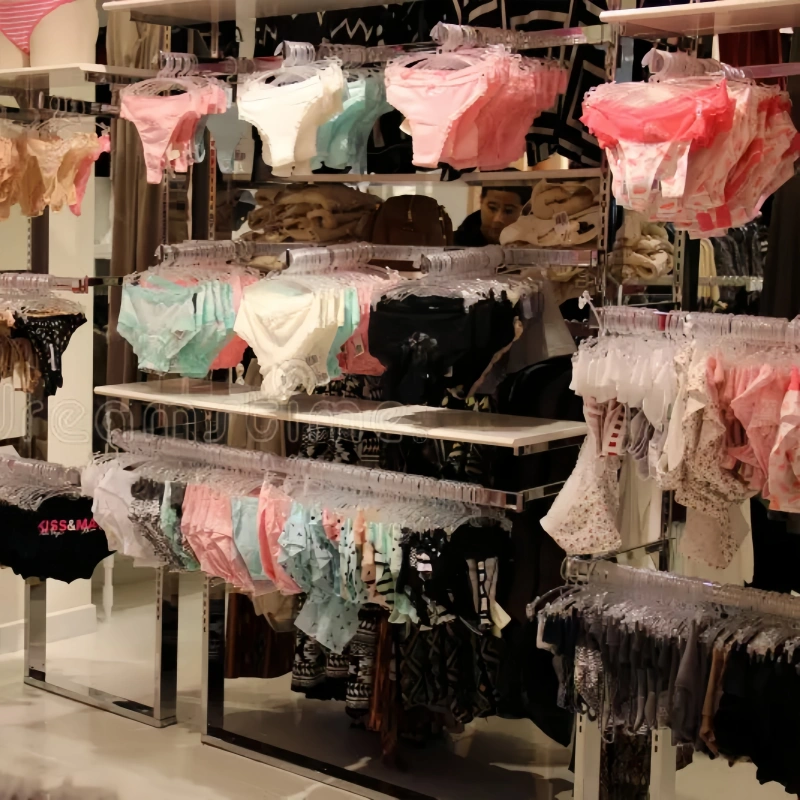
The women’s underwear market will see remarkable growth in the coming years. Recent industry reports show a global market size reaching over USD 157.9 billion in 2025, with projections climbing even higher by 2026.
The global underwear market expects a compound annual growth rate of about 8%, reflecting strong consumer demand. Business professionals and investors find that understanding segmentation and market trends shapes product development and marketing strategies.
Premium brands such as Friendtex influence the women’s lingerie market by emphasizing sustainability, innovation, and quality.
Key Takeaways
The women’s underwear market is projected to grow significantly, reaching over USD 157.9 billion by 2025, with a compound annual growth rate of about 8%.
Sustainability and eco-friendly materials are key trends, with many consumers willing to pay more for ethical and sustainable products.
Technology and innovation drive market changes, with new materials and designs enhancing comfort and fit.
E-commerce expansion allows consumers to access a wide range of products easily, contributing to market growth.
Inclusivity in design, offering a variety of sizes and styles, is crucial for brands to meet diverse consumer needs.
Global Market Size & Growth
2026 Market Size Overview
The market size for women’s underwear continues to expand at a rapid pace. Analysts predict that the global underwear market will surpass USD 157.9 billion in 2025. The market forecast for 2026 shows even higher numbers, reflecting strong demand across all regions.
This growth comes from both established and emerging markets. North America and Europe maintain their leadership, but Asia-Pacific countries show the fastest acceleration. The market size reflects not only the volume of products sold but also the rising value of premium and sustainable options.
The forecast for 2026 points to a compound annual growth rate near 8%. This rate signals robust demand for new styles, innovative materials, and eco-friendly choices. As more consumers seek comfort and quality, brands must adapt quickly.
The market size also benefits from the expansion of e-commerce, which makes it easier for shoppers to access a wide range of products. The market forecast highlights the importance of understanding consumer needs and responding with diverse offerings.
Growth Rate & Key Drivers
Several factors drive the impressive growth rate in the women’s underwear market. These drivers shape both the current landscape and the outlook for 2026.
Mass-market dominance accounts for the majority of sales, ranging from 76% to 83%. Price sensitivity and wide availability fuel this segment.
Premium growth stands out as the fastest-growing segment, with nearly 9% annual expansion. Consumers show a willingness to spend more for quality and unique designs.
Sustainability plays a major role. About 80% of buyers express interest in eco-friendly and ethical production. Many are willing to pay higher prices for sustainable products.
Technological advancements in materials and manufacturing methods change consumer expectations. Shoppers now look for underwear that offers both comfort and durability.
Direct-to-consumer sales through online channels grow rapidly. This segment is expected to increase by over 20% each year.
Social and economic trends also influence the market. More women enter the workforce, which increases demand for versatile and performance-oriented underwear. Customization and size inclusivity attract a wider range of body types.
Social media trends and fashion awareness encourage consumers to try new styles. Urbanization and changing lifestyles in emerging economies create new opportunities for fashionable and comfortable underwear.
Note: Brands that focus on sustainability, innovation, and inclusivity position themselves for long-term success. The market forecast suggests that these trends will continue to shape the industry through 2026.
The combination of these drivers ensures that demand remains strong. Companies that understand these factors can better predict market size and respond to shifts in consumer behavior.
Women’s Underwear Market Trends
Sustainability & Eco Materials
Sustainability has become a defining force in the women’s underwear market. Brands now focus on eco-friendly materials and ethical production. Many companies use organic cotton, recycled polyester, and bamboo fibers to reduce environmental impact.
The table below shows how these materials benefit both the planet and consumers:
Material | Benefits |
|---|---|
Organic Cotton | Reduces water usage and pesticide reliance |
Recycled Polyester | Lowers carbon emissions compared to new polyester |
Bamboo Fibers | Fast-growing, requires less land and water |
Brands also work to create fair working environments and clear supply networks. They aim to lower carbon output across the supply chain. Friendtex stands out by holding certifications such as GOTS, Organic 100 Content Standard, and Better Cotton Initiative.
These certifications show a strong commitment to sustainability and ethical practices. Friendtex uses premium fabrics like organic cotton, bamboo, and Tencel in its women’s underwear collection. This approach aligns with global market trends and meets the growing demand for responsible fashion.
Many leading brands, such as Pact, Knickey, and tentree, also use certified organic cotton and recycled materials. They focus on ethical production and fair labor standards. Friendtex matches these efforts by offering high-quality, eco-friendly products and transparent supply chains. The company’s dedication to sustainability helps it stay ahead in the market and appeal to conscious consumers.
Sustainability also brings advantages such as reduced excess stock and better customer satisfaction. However, it requires smart supply management and can lead to longer delivery times.
Innovations in sustainable underwear design include smart fabrics that control temperature or even clean themselves. These advances show how technology and sustainability now work together in the women’s underwear market.
Technology & Innovation
Technology drives rapid change in the women’s underwear market. Brands invest in new materials, production methods, and design features. Modern lingerie now uses breathable, moisture-wicking fabrics like micromodal. Seamless designs have become popular for their comfort and adaptability. Many companies use AI-driven sizing tools to help customers find the perfect fit.
The industry has shifted from restrictive undergarments to more body-friendly designs. The wellness movement encourages consumers to choose health-driven comfort. Innovations in textiles allow for support without underwires, making underwear more comfortable for daily wear.
Smart textiles play a key role in this transformation. These fabrics can control temperature, manage moisture, and stretch to fit the body. Some wearable technology even tracks health data, such as menstrual cycles and vital signs.
New fiber blends and finishing techniques create a “second skin” effect, improving fit and comfort. Research on functional clothing has led to features like flatter seams and pressure-free zones.
Friendtex leads in technology and innovation by using advanced materials such as ice silk, Tencel, and premium cotton. The brand offers seamless and breathable designs, ensuring comfort and style. Friendtex also provides customization options, allowing brands to create unique products that meet specific needs.
This focus on innovation keeps Friendtex at the forefront of market trends.
E-Commerce Expansion
E-commerce has changed how consumers shop for women’s underwear. Online retail platforms offer greater accessibility and convenience. Shoppers can browse a wide variety of styles, sizes, and brands at any time. This flexibility appeals to busy consumers and those seeking more choices.
Online sales of apparel, including underwear, are expected to reach 30% of total sales by 2034. The rise of smartphones and internet access makes online shopping easier than ever. Consumers now expect a seamless online experience, from browsing to delivery.
The convenience of e-commerce allows shoppers to compare products and prices quickly. Brands can reach a global audience and respond to market trends faster. Friendtex supports this shift by offering a comprehensive online platform for its women’s underwear collection.
The brand provides detailed product information, customization options, and responsive customer service. This approach helps Friendtex meet the needs of modern consumers and stay competitive in a growing market.
Inclusivity in Design
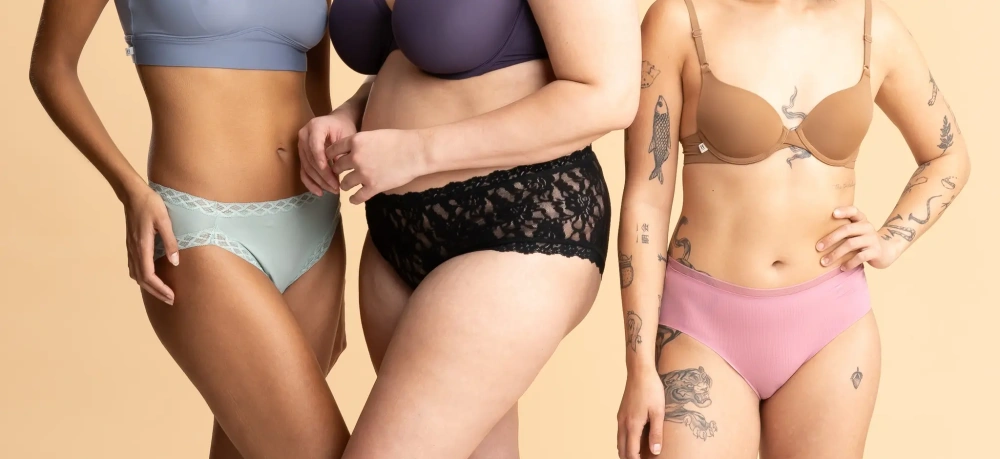
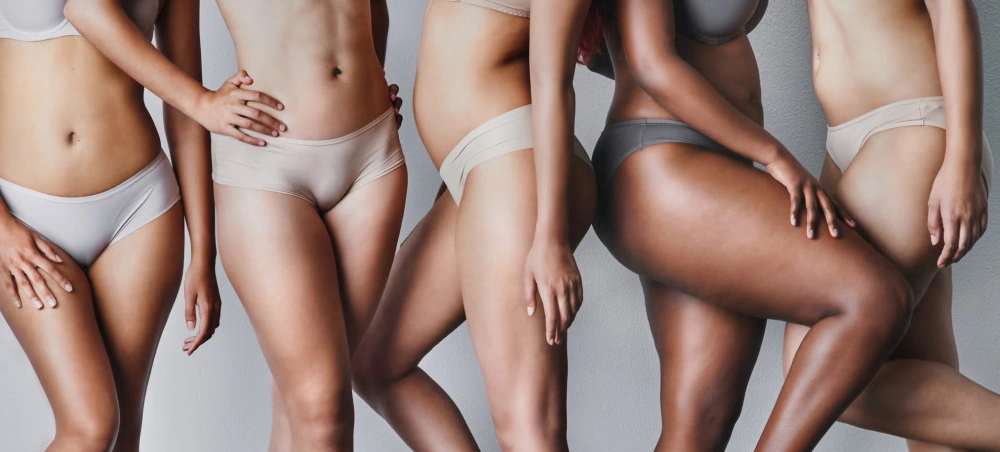
Inclusivity has become a major trend in the women’s underwear market. The body positivity movement and changing consumer expectations drive brands to offer products for all body types and backgrounds. Companies now expand size ranges to include petite, plus-size, and everything in between.
They also offer a wider range of nude shades to match different skin tones.
Inclusive design focuses on comfort, fit, and style for everyone. Some brands, like Lucky Skivvies, offer sizes from small to 3XL. Others, such as Brayola, launch size-inclusive collections to meet diverse needs. Brands also consider cultural preferences and prioritize comfort in their designs.
Friendtex embraces inclusivity by offering a wide range of sizes and styles in its women’s underwear collection. The brand provides options such as thongs, seamless, and high-rise panties. Each piece is designed for comfort, breathability, and a perfect fit.
Friendtex also allows customization, so brands can create products that reflect their unique vision and serve a diverse customer base.
Inclusivity and diversity now shape the future of the women’s underwear market. Brands that prioritize these values build stronger connections with consumers and set new standards for the industry.
Market Segmentation
Product Types & Styles
The women’s underwear market offers a wide range of bras and panties to meet different needs. Popular styles include briefs, thongs, hipsters, and boyshorts. Briefs provide comfort and coverage for adults, while thongs attract younger consumers who value aesthetics.
Hipsters balance comfort and style, and boyshorts appeal to active women with their sporty look. The market also includes everyday basics, fashion lingerie, activewear, and shapewear. Everyday basics, such as bras and panties, make up the largest segment by volume.
Fashion lingerie focuses on trendy designs influenced by social media. Activewear combines underwear with sportswear, and shapewear helps boost confidence.
Friendtex’s collection reflects these trends. The brand offers thongs, seamless panties, and high-rise options. Each piece supports comfort, breathability, and style. Customization allows brands to create unique lingerie that fits their vision.
Product Type | Description |
|---|---|
Everyday Basics | Bras, panties, and essentials for daily wear |
Fashion Lingerie | Trendy, stylish bras and panties influenced by celebrities and social media |
Activewear | Underwear designed for sports and performance |
Shapewear | Enhances body shape and confidence |
Price Range & Quality
Sales in the women’s underwear market show that affordable bras and panties dominate. Many consumers seek essentials at low prices. The medium-price segment is growing quickly as shoppers look for quality and style without paying premium prices.
This shift shows that buyers want durable and fashionable lingerie. Friendtex meets these needs by offering high-quality products at different price points, making premium materials accessible.
Materials & Fabrics
Materials play a key role in the lingerie market. Common fabrics include cotton, Lycra, polyamide, lyocell, organza, lace, and silk. Cotton is known for breathability and softness. Lycra and polyamide add stretch and comfort. Lace and silk bring elegance to bras and panties.
Sustainable fabrics like organic cotton and bamboo are gaining popularity. Friendtex uses premium materials such as Tencel, bamboo, and organic cotton, supporting both comfort and sustainability. The brand’s focus on innovative and eco-friendly fabrics matches global trends.
Note: Consumers now favor sustainable and biodegradable materials, which is changing the market size and purchasing behavior.
Demographics & Preferences
Millennials and Gen Z drive growth in the women’s underwear market. They value comfort, inclusivity, and style in bras and panties. More women participate in sports, increasing demand for seamless and functional underwear. Fashion awareness and body-positive campaigns also shape preferences.
Age, income, and lifestyle influence choices, with younger buyers seeking trendy lingerie and older groups preferring comfort. Friendtex addresses these needs with a wide range of sizes, styles, and customization options.
Regional Analysis
Leading Markets
Europe holds a strong position in the global underwear market. The region reached a 33.1% share in 2021. High-speed internet and the rise of e-commerce have changed how people shop. Countries like Germany, the U.K., and France show strong economic growth. These factors increase market size and boost demand for new styles.
North America also leads in the market. The region has a fashion-conscious consumer base and high disposable incomes. Retail infrastructure supports a wide range of products. Consumers in North America seek comfort and style, which drives market trends.
Asia Pacific stands out with a 41.0% market revenue share in 2022. China, Japan, and India contribute to this growth. The large population and vibrant fashion culture increase demand and expand the market size. Changing clothing trends and rising incomes shape the forecast for these regions.
Fastest-Growing Regions
Several regions show rapid growth in the women’s underwear market. Vietnam stands out with a projected annual growth rate of 8.51% from 2024 to 2032. Young consumers and rising disposable incomes fuel this demand. Online shopping also plays a key role.
The forecast for Vietnam shows that the market size will continue to grow quickly. Other Southeast Asian countries follow similar trends. They see increased demand for fashionable and comfortable underwear. The forecast for these regions points to strong market trends and expanding market size.
Emerging Opportunities
Emerging markets offer new chances for brands to grow. Latin America invests in digital infrastructure and sees a growing middle class. Brazil and Mexico show strong market size growth and attract global investors. The Middle East and Africa (MEA) present untapped opportunities.
UAE and Saudi Arabia lead demand due to national transformation programs. South Africa acts as a gateway to Sub-Saharan markets. The table below highlights key opportunities:
Region | Key Opportunities | Advantages |
|---|---|---|
Latin America | Digital infrastructure, expanding middle class | Brazil: Infrastructure upgrades, investor interest |
Mexico: Nearshoring, SME demand, early-mover strategies | ||
MEA | Infrastructure development, smart-city projects | UAE & Saudi Arabia: National transformation, high demand |
South Africa: Gateway to Sub-Saharan markets |
Brands that understand these market trends and forecast shifts can meet rising demand and increase market size. The global underwear market continues to evolve as new regions emerge and established markets adapt to changing trends.
Competitive Landscape
Top Brands & Market Shares
The global women’s underwear market size continues to grow as leading brands compete for dominance. Victoria’s Secret, Calvin Klein, and Aerie hold significant shares of the market size. These brands offer a wide range of bras and panties, appealing to different age groups and style preferences.
The market size for lingerie expands as these companies introduce new collections and marketing campaigns. Many brands focus on comfort and inclusivity, which helps increase their market size. The demand for bras and panties rises as consumers seek both everyday essentials and fashionable lingerie.
A table below shows the estimated market shares of top brands:
Brand | Estimated Market Share (%) |
|---|---|
Victoria’s Secret | 20 |
Calvin Klein | 12 |
Aerie | 10 |
Others | 58 |
The market size for bras and panties continues to expand as more brands enter the lingerie industry. New players often target niche segments, which helps diversify the market size.
Friendtex’s Position & Achievements
Friendtex stands out in the competitive landscape by focusing on quality and sustainability. The brand has earned a reputation for producing high-quality bras and panties. Friendtex holds certifications that prove its commitment to ethical manufacturing.
The company’s lingerie collection includes a variety of bras and panties, which appeal to a broad customer base. Friendtex’s market size grows as more brands seek its manufacturing expertise.
The company’s achievements include partnerships with well-known lingerie brands and a strong presence in the global market. Friendtex’s dedication to sustainable practices helps increase its market size and attract conscious consumers.
Friendtex’s certifications, such as GOTS and Better Cotton Initiative, set it apart in the lingerie market. These achievements support the brand’s growth in market size.
Innovation & Strategy
Innovation drives the market size for bras, panties, and lingerie. Friendtex invests in advanced materials and seamless designs, which improve comfort and fit. The brand uses fabrics like Tencel and bamboo to create breathable bras and panties.
Friendtex offers customization, allowing brands to design unique lingerie collections. This strategy helps increase the market size for both Friendtex and its clients. The company’s focus on technology and sustainability aligns with global trends, which supports growth in market size.
Friendtex’s approach ensures that its bras, panties, and lingerie meet the needs of modern consumers.
Friendtex’s strategies include:
Using eco-friendly materials in bras and panties
Offering seamless lingerie for comfort
Providing customization for unique market size opportunities
The competitive landscape continues to evolve as brands like Friendtex innovate and expand their market size in the global lingerie industry.
Future Outlook & Opportunities
Growth Prospects
The global women’s underwear market shows strong growth prospects beyond 2026. Analysts forecast the market will reach USD 141.81 billion by 2030, with a steady 6.1% annual growth rate. Several factors drive this positive forecast:
New product categories like shapewear and loungewear increase demand.
The body positivity movement encourages brands to offer more inclusive designs.
Ongoing fashion trends keep the market fresh and appealing.
Premium, athleisure, and inclusive products attract a wider audience.
The market forecast highlights that brands focusing on innovation and inclusivity will see the most success. Companies that adapt quickly to changing consumer needs will meet rising demand and secure a strong position in the market.
Challenges Ahead
The women’s underwear market faces several challenges as it grows. Fluctuating raw material costs make it hard for brands to balance quality and price. High-quality lingerie requires expensive materials, which raises production costs.
Many consumers still prefer affordable options, so brands must find ways to offer value without sacrificing quality. Supply chain disruptions, caused by global economic shifts and events like the COVID-19 pandemic, also affect production and delivery.
Other challenges include:
Economic pressures push consumers toward lower-cost products.
Supply chain issues disrupt manufacturing.
Growing demand for sustainable products increases pressure on brands.
Shifting preferences for comfort and inclusivity require constant adaptation.
Strategic Recommendations
Brands can succeed in this evolving market by following key strategies:
Invest in sustainable materials and transparent supply chains to meet rising demand for eco-friendly products.
Expand product lines to include shapewear, loungewear, and inclusive sizing.
Use technology to improve fit, comfort, and customization.
Monitor the forecast and market forecast regularly to respond quickly to changes in demand.
Strengthen relationships with suppliers to reduce the risk of supply chain disruptions.
A focus on innovation, sustainability, and inclusivity will help brands thrive as demand continues to grow and the forecast remains positive.
Conclusion
The women’s underwear market will reach new heights in 2026. Trends show strong demand for bras and panties in every region. Brands see growth by offering bras with comfort, style, and inclusivity. Segmentation helps companies design bras and panties for different needs.
Friendtex stands out with advanced technology and sustainable practices. Their bras and panties use premium materials. Stakeholders should study market data and invest in brands that lead with innovation.
Smart decisions today will shape the future of bras and panties worldwide.
FAQ
What materials does Friendtex use in its women’s underwear collection?
Friendtex uses high-quality materials such as organic cotton, bamboo, Tencel, lace, and ice silk. These fabrics provide comfort, breathability, and durability. The brand focuses on sustainable and eco-friendly options to meet modern consumer needs.
How does Friendtex support sustainability in underwear manufacturing?
Friendtex holds certifications like GOTS and Better Cotton Initiative. The company uses eco-friendly fabrics and ethical production methods. Friendtex also maintains transparent supply chains to ensure responsible sourcing and manufacturing.
Are there customization options available for women’s underwear?
Yes, Friendtex offers customization. Brands can choose styles, colors, patterns, and materials. This service helps create unique products that match specific brand visions and customer preferences.
What styles are included in the Friendtex women’s underwear collection?
Thongs
Seamless panties
High-rise options
Bikinis
Lace-detailed designs
Each style focuses on comfort, fit, and modern aesthetics.