You want the best fabric for baby clothes that keeps your little one safe, happy, and cozy. Many parents worry about skin irritation, harmful chemicals, and breathability when picking out comfortable clothes for babies.
Soft, natural materials like organic cotton or bamboo help prevent rashes and keep your baby cool. Friendtex offers high-quality options that focus on gentle comfort and safety, giving you peace of mind every night.
Key Takeaways
Choose soft, natural fabrics like organic cotton and bamboo to prevent skin irritation and keep your baby comfortable.
Look for certifications like GOTS and OEKO-TEX to ensure the fabric is safe and free from harmful chemicals.
Consider the season when selecting fabrics; lightweight options are best for summer, while warmer materials suit winter.
Inspect the quality and softness of fabrics before buying; always prioritize gentle materials for your baby’s delicate skin.
Wash baby clothes frequently with mild detergents and avoid fabric softeners to maintain their safety and comfort.
Why Fabric Choice Matters?

Comfort and Softness
You want your baby to feel comfortable all day and night. Softness matters more than you might think. Babies have delicate skin, and rough or heavy fabrics can irritate it. Knitted fabrics, like cotton and bamboo, feel gentle and smooth. These materials help prevent rashes and keep your baby happy.
If you choose lightweight fabrics, you avoid putting extra weight on your newborn’s body. This is especially important for premature babies, who need extra care.
Soft, breathable fabrics like cotton and bamboo prevent skin irritation and rashes.
Knitted materials offer superior softness and sensory comfort.
Low surface mass fabrics avoid burdening your baby’s delicate body.
Safety for Sensitive Skin
Your baby’s skin absorbs chemicals quickly, so fabric safety is crucial. Natural fibers, such as organic cotton, are free from harmful chemicals and microplastics. Synthetic fabrics can shed fibers and release microplastics, which may enter your baby’s bloodstream.
Babies breathe more air relative to their body weight, increasing their exposure to these risks. Dermatologists recommend smooth, natural fibers and loose-fitting styles to reduce irritation.
Key Findings | Description |
|---|---|
Suitable Fabrics | Natural fibers with softly twisted yarns and medium to high thread counts are breathable and soft, reducing irritation for babies. |
Chemical Risks | Textile dyeing and finishing processes use chemicals that can cause skin irritation or allergic reactions, particularly in children. |
Health Impacts | Chemicals absorbed through the skin can lead to developmental issues and allergic contact dermatitis, with symptoms like red cheeks and hyperactivity. |
Practicality and Durability
You wash baby clothes often, so durability matters. Natural fabrics like cotton and bamboo stand up to frequent washing. They keep their softness and shape, even after many cycles.
Synthetic materials may be flammable or shed fibers, which can pose safety risks. Choosing natural, organic fabrics means you get clothes that last longer and keep your baby safe.
Natural fabrics withstand frequent washing.
Organic materials are safer and more durable.
Synthetic fabrics may pose flammability and health risks.
Tip: Always check the label for natural, certified fabrics to keep your baby comfortable and safe.
Best Fabric for Baby Clothes
Choosing the best fabric for baby clothes can feel overwhelming, but you have some fantastic options that make your decision easier. When you focus on comfort, safety, and practicality, you help your baby feel cozy and protected every day. Let’s break down the top fabrics you should consider for your little one’s wardrobe.
Organic Cotton
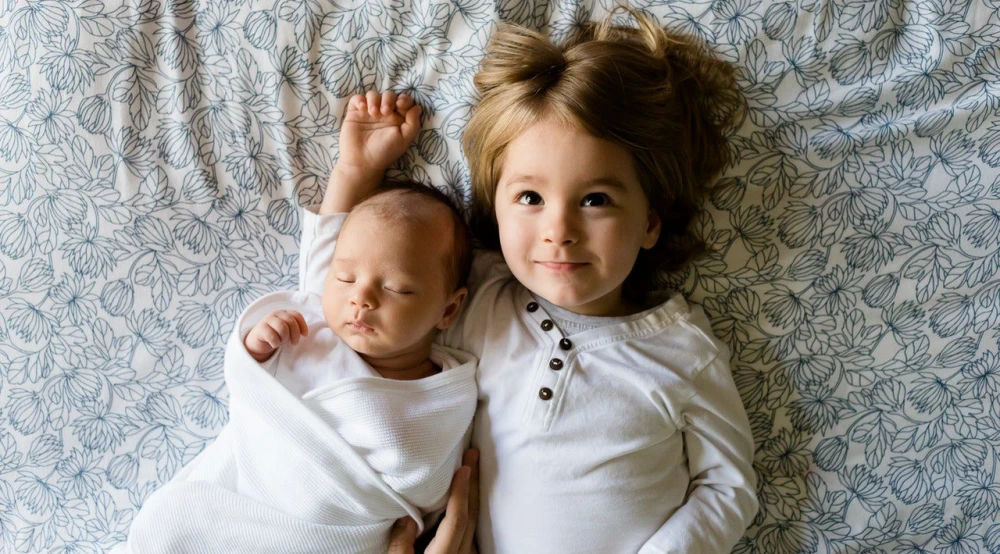
You can never go wrong with organic cotton when it comes to baby clothes. This fabric stands out because it’s gentle, hypoallergenic, and free from harsh chemicals. Babies with sensitive skin benefit the most from organic cotton, as it reduces the risk of irritation and allergies.
You’ll notice that organic cotton helps regulate temperature, so your baby stays comfortable whether it’s warm or cool outside.
Friendtex’s Cotton Baby Pajamas use organic cotton to give your baby a soft, breathable, and safe sleep experience. These pajamas are perfect for newborns and toddlers alike.
Here’s a quick look at why organic cotton is a smart choice:
Aspect | Organic Cotton | Conventional Cotton |
|---|---|---|
Carbon Footprint | Lower | Higher |
Water Usage | 91% less | Higher |
Organic cotton avoids harsh chemicals, making it safer for your baby.
It’s hypoallergenic and gentle on delicate skin.
The fabric keeps your baby comfortable in all seasons.
If you want the best fabric for baby clothes, organic cotton should be at the top of your list.
Bamboo Viscose
Bamboo viscose is another top pick for the best fabric for baby clothes. This fabric feels incredibly soft and smooth, almost like silk. You’ll love how bamboo keeps your baby cool and dry, especially during hot days. Its moisture-wicking abilities mean your baby stays comfortable even if they sweat.
Bamboo viscose absorbs moisture quickly and allows air to flow, which helps prevent overheating.
The fabric is hypoallergenic, making it ideal for babies with sensitive skin.
Bamboo viscose is often OEKO-TEX and GOTS certified, so you know it’s safe.
Friendtex’s Baby Boy Pajamas and Baby Footie Pajamas use bamboo viscose to deliver comfort and breathability. These pajamas help your baby sleep soundly, no matter the season.
Modal
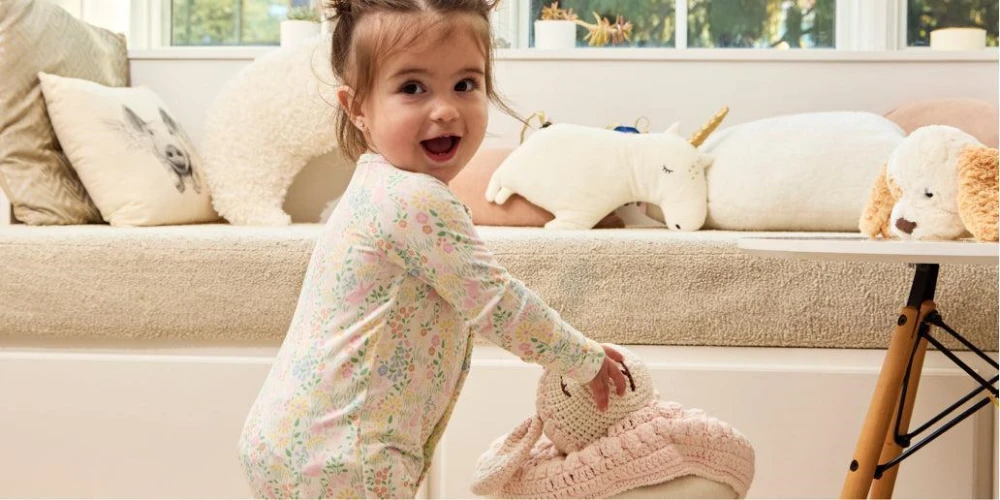
Modal is a newer fabric that’s quickly becoming a favorite for baby clothes. You’ll notice how soft and lightweight it feels. Modal stands out because it resists pilling and holds its shape after many washes. If you want baby clothes that last, modal is a great choice.
Modal is more absorbent than cotton, so it keeps your baby dry.
The fabric wicks away moisture and allows air to circulate.
It’s flexible, so your baby can move freely.
Modal holds color well, so clothes stay bright and fresh.
You can find modal in Friendtex’s Newborn Pajamas, which are perfect for sensitive skin and active babies. Modal’s easy-care nature makes laundry day a breeze.
Merino Wool
Merino wool might surprise you as one of the best fabrics for baby clothes, but it’s a fantastic option for year-round comfort. This wool is much softer than regular wool, so it won’t itch or irritate your baby’s skin. Merino wool naturally regulates temperature, keeping your baby warm in winter and cool in summer.
The crimped fibers trap warmth but let heat escape, preventing overheating.
Merino wool absorbs moisture without feeling damp, so your baby stays dry.
The fabric creates a micro-climate, helping your baby sleep better.
If you want a fabric that adapts to changing temperatures, merino wool is a smart pick for your baby’s wardrobe.
Muslin
Muslin is a classic choice for baby clothes and accessories. You’ll love how soft and breathable it feels. The open weave of muslin lets air flow easily, which helps regulate your baby’s temperature and prevents overheating.
Muslin is lightweight, making it perfect for swaddles, blankets, and summer outfits.
The fabric absorbs moisture and dries quickly, keeping your baby comfortable.
Muslin’s softness makes it gentle on sensitive skin.
Many parents choose muslin for its versatility and comfort. Friendtex offers muslin options in their baby clothing line, so you can wrap your baby in softness all day.
Tip: When you shop for the best fabric for baby clothes, always check for certifications like GOTS or OEKO-TEX. Friendtex is committed to quality and safety, ensuring every piece meets high standards for your peace of mind.
You have many wonderful choices when it comes to the best fabric for baby clothes. Organic cotton, bamboo viscose, modal, merino wool, and muslin all offer unique benefits. With Friendtex’s dedication to quality and safety, you can dress your baby in comfort and style every day.
Best Materials for Baby Clothes
When you want the best materials for baby clothes, you should look for fabrics that are gentle, safe, and comfortable. Natural fibers like cotton, bamboo, linen, and wool stand out because of their hypoallergenic and breathable properties. These materials help keep your baby cool, dry, and happy, no matter the season.
Here’s a quick comparison of the most recommended materials for baby clothes:
Material | Hypoallergenic | Breathable | Additional Properties |
|---|---|---|---|
Wool | Yes | Yes | Insulating, moisture-wicking, great for temperature regulation |
Cotton | Yes | Yes | Easy to care for, hygienic, soft on skin |
Organic Cotton | Yes | Yes | Eco-friendly, extra soft, gentle for sensitive skin |
Bamboo | Yes | Yes | Extremely soft, highly absorbent, and helps regulate temperature |
Cotton Blends
Cotton blends are a smart choice for active babies. You get the softness and breathability of cotton, which is perfect for sensitive skin. When you add polyester, the fabric becomes more durable and holds up after many washes. This means your baby’s clothes stay comfortable and last longer.
Cotton-polyester blends feel soft and allow air to flow, so your baby stays cool.
The extra durability is great for playtime and frequent washing.
Friendtex’s Baby Summer Pajamas use cotton blends to give you comfort and easy care.
Linen
Linen is a wonderful option for hot weather. You’ll notice how linen baby clothes let air move freely, which helps sweat evaporate and keeps your baby’s skin cool and dry. On a warm day, linen outperforms cotton by staying drier and feeling lighter. This makes linen a top pick for summer outfits.
Tip: Friendtex offers lightweight linen options in their baby clothing line, perfect for keeping your little one comfortable during the hottest months.
Wool
Wool is not just for winter. It has natural insulating and moisture-wicking abilities, so it keeps your baby warm when it’s cold and cool when it’s warm. Wool’s breathable properties help regulate temperature and prevent overheating.
When you choose wool, look for certifications like OEKO-TEX STANDARD 100 or the Responsible Wool Standard (RWS). These labels mean the wool is safe, free from harmful substances, and ethically sourced.
Friendtex’s Newborn Pajamas include wool options that are gentle, safe, and cozy for your baby. You can trust that every piece meets strict safety standards.
Choosing the best materials for baby clothes means you give your child comfort, safety, and style. Natural fabrics with breathable properties make everyday easier for you and your baby.
Newborn-Friendly Fabrics
Softness and Breathability
When you shop for newborn-friendly fabrics, you want something that feels gentle against your baby’s skin. Softness and breathability matter most for newborns. You might notice that organic cotton and bamboo stand out because they are naturally soft and help keep your baby comfortable.
These fabrics let air flow, which helps regulate body temperature and prevents overheating. If your baby sweats, absorbent materials like cotton and bamboo wick away moisture, keeping skin dry and healthy.
Gentle fabrics like organic cotton and bamboo are essential for baby clothing because they protect delicate skin.
Natural fabrics such as cotton help maintain skin health and prevent issues like eczema.
Breathable fabrics support better sleep by promoting air circulation and a cozy environment.
Friendtex’s Newborn Pajamas use organic cotton and modal to give your baby a soft, breathable experience. You can also try Baby Footie Pajamas made with bamboo for extra comfort during naps and nighttime.
Here’s a quick look at what makes certain fabrics ideal for newborns:
Fabric | Characteristics |
|---|---|
Organic Cotton | Eco-friendly, soft, comfortable, hypoallergenic |
Bamboo | Soft, hypoallergenic, highly absorbent, temperature-regulating |
Modal | Soft, stretchy, resistant to shrinkage |
Wool | Insulating, temperature-regulating, breathable |
Muslin | Lightweight, breathable, soft |
Hypoallergenic Options
You want to avoid fabrics that cause irritation or allergic reactions. Hypoallergenic options are the best choice for newborn-friendly fabrics. Organic cotton and bamboo fabric are top picks because they are chemical-free and gentle. These materials help prevent rashes and keep your baby’s skin healthy.
Fabric Type | Benefits | Common Uses |
|---|---|---|
Organic Cotton | Hypoallergenic, breathable, chemical-free, durable, eco-friendly | Baby clothing, swaddles, crib sheets |
Bamboo Fabric | Silky soft, moisture-wicking, temperature-regulating, antibacterial | Baby pajamas, swaddle blankets, nursing covers |
If you want pajamas that are safe and comfortable, Friendtex’s Newborn Pajamas and Baby Footie Pajamas offer hypoallergenic options. You can trust these newborn-friendly fabrics to keep your baby cozy and protected.
Tip: Always check for certifications like OEKO-TEX or GOTS when choosing newborn-friendly fabrics. These labels mean the fabric is safe for sensitive skin.
Top Fabrics for Newborns
Friendtex Product Highlights
When you want the top fabrics for newborns, you should look for materials that are soft, safe, and gentle on delicate skin. Friendtex offers a range of baby pajamas made from the best fabrics trusted by parents and experts. Here’s a quick look at some popular options:
Product | Fabric | Why You’ll Love It |
|---|---|---|
Bamboo Baby Pajamas | Bamboo | Ultra-soft, hypoallergenic, and keeps your baby cool and dry. |
Muslin Baby Pajamas | Muslin | Lightweight, breathable, and perfect for swaddling or warm days. |
Organic Cotton Baby Pajamas | Organic Cotton | Grown without pesticides, soft, and safe for sensitive skin. |
Linen Baby Pajamas | Linen | Cool, breathable, and helps prevent overheating. |
Hemp Baby Pajamas | Hemp | Durable, eco-friendly, and moisture-wicking. |
You can see that Friendtex focuses on fabrics like organic cotton, bamboo, and muslin. These materials are soft, breathable, and hypoallergenic, making them some of the top fabrics for newborns. Many parents choose these options because they help prevent rashes and keep babies comfortable all day.
Seasonal Recommendations
Choosing the right fabric for your newborn depends on the season. In summer, you want lightweight and breathable fabrics. Bamboo and muslin stand out because they wick away moisture and let air flow, which helps your baby stay cool and dry.
Organic cotton is another great pick for hot weather since it’s soft and gentle on sensitive skin.
When the weather turns cold, you need something warmer. Merino wool is a smart choice for winter. It regulates temperature and keeps your baby cozy without overheating. Wool’s moisture-wicking ability also helps keep skin dry, which is important during chilly nights.
Tip: Always match your baby’s pajamas to the season. Light fabrics like bamboo and muslin work best for summer, while merino wool and thicker cotton blends are perfect for winter.
No matter the season, Friendtex has you covered with safe, comfortable, and stylish options for your newborn.
Fabrics to Avoid
Choosing the right fabric for your baby is important, but knowing what to avoid matters just as much. Some fabrics can irritate your baby’s skin or even cause allergic reactions. Let’s look at which materials you should skip when shopping for baby clothes.
Synthetic Materials
Synthetic fabrics like polyester, nylon, and acrylic might seem convenient, but they can cause problems for sensitive skin. These materials often trap heat and moisture, making your baby uncomfortable. They can also contain chemicals that lead to rashes or allergies.
Take a look at some common substances found in synthetic fabrics and how they affect your baby’s skin:
Substance | Effect on Skin | Notes |
|---|---|---|
Biocides | Cause dermatitis | Used for protection during manufacture or transport |
Triclosan | Allergic reactions | Reported in textiles |
Zinc Pyrithione | Allergic reactions | Reported in textiles |
Dimethyl Fumarate | Allergic contact dermatitis | Used in textiles |
Benzanthrone | Allergic contact dermatitis | An intermediate substance in dye production |
Sulfites | Allergic contact dermatitis | Used during bleaching |
You want to keep your baby’s skin safe, so stick with natural materials whenever possible.
Chemical-Treated Fabrics
Some baby clothes get treated with chemicals to make them stain-resistant, wrinkle-free, or flame-retardant. These treatments can leave behind harmful residues that may irritate your baby’s skin or even affect their health. Watch out for fabrics treated with:
Flame retardants (linked to developmental problems)
Bisphenols (can cause hormonal imbalances)
Formaldehyde (causes skin irritation and is a known carcinogen)
Per- and polyfluoroalkyl substances (PFASs)
Azo dyes
Toxic heavy metals
Tributyl Phosphate (TBP)
Dimethyl Fumarate (DMF)
Nonylphenol ethoxylates (NPEs)
Antimicrobial agents
Ultraviolet (UV) filters
Pesticide residues
If you see labels that mention “wrinkle-free,” “stain-resistant,” or “antimicrobial,” it’s best to double-check what chemicals were used.
Rough or Irritating Textiles
Babies have delicate skin that needs gentle care. Rough or scratchy fabrics can cause irritation, rashes, or even eczema flare-ups. You should avoid:
Scratchy fabrics that feel rough to the touch
Harsh materials like rough wool or stiff synthetics
Non-breathable fabrics that trap heat and sweat
Instead, choose soft, breathable fabrics like brushed cotton, modal, or gentle blends. These options help protect your baby’s skin and keep them comfortable all day.
Tip: Always touch and feel the fabric before buying. If it feels rough to you, it will feel even worse for your baby.
Buying Tips for Parents
Choosing baby clothes can feel overwhelming, but a few smart steps make the process much easier. Here are some practical tips to help you pick the safest and most comfortable options for your little one.
Check Certifications
Certifications give you peace of mind that your baby’s clothes are safe and responsibly made. Always look for trusted labels before you buy. Friendtex holds several important certifications, so you know their products meet high standards. Here’s a quick guide to what these certifications mean:
Certification | Description |
|---|---|
Global Organic Textile Standard (GOTS) | Ensures the use of organic fibers and eco-friendly practices, covering fair labor practices. |
OEKO-TEX Standard 100 | Tests for harmful substances, ensuring clothing is free from chemicals that could irritate skin. |
Fair Trade Certification | Guarantees fair wages and safe working conditions for workers, promoting ethical production practices. |
B Corporation Certification | Indicates commitment to social and environmental performance, ensuring ethical and sustainable practices. |
Tip: Friendtex’s commitment to these certifications means you get safe, ethical, and sustainable baby clothes every time.
Consider Season and Climate
Think about the weather where you live. Lightweight cotton or bamboo pajamas keep your baby cool in summer. Warmer fabrics like merino wool or fleece work well for winter. Friendtex offers the best fabric options for every season, so you can always find something suitable for toddlers and newborns alike.
Look for Hypoallergenic Labels
Babies have sensitive skin. Hypoallergenic fabrics help prevent rashes and irritation. Look for labels that say “hypoallergenic” or “dermatologist tested.” Friendtex uses gentle materials like organic cotton and bamboo, which are perfect for delicate skin.
Inspect Quality and Softness
Always touch the fabric before you buy. Soft, smooth materials feel best against your baby’s skin. Check seams and closures for comfort and safety. Friendtex lets you customize designs, so you can choose the features that matter most to you.
Read Care Instructions
Proper care keeps baby clothes soft and safe. Here are some simple tips:
Always pre-wash new garments to remove dust and chemicals.
Never wash baby clothes with adult laundry to avoid harsh detergents and germs.
Wash baby clothes more frequently since babies get messy fast.
Don’t use fabric conditioner, as it can leave residues that irritate skin.
Use hot water and direct sunlight when allowed, but always check the care label first.
Note: Friendtex includes clear care instructions with every order, making laundry day a little easier.
By following these tips, you’ll find baby clothes that are safe, comfortable, and long-lasting.
Conclusion
Choosing the best fabric for baby clothes keeps your little one safe, comfy, and happy. Stick with soft, natural materials like organic cotton or bamboo. Always check for trusted certifications like GOTS or OEKO-TEX.
Friendtex offers a wide range of certified, high-quality options you can trust. Remember, your choices matter. You’ve got this—your baby’s comfort and safety come first! 😊
FAQ
What is the safest fabric for baby clothes?
You can trust organic cotton and bamboo. These fabrics are soft, breathable, and free from harsh chemicals. They help prevent rashes and keep your baby comfortable all day.
How do I know if a fabric is hypoallergenic?
Look for labels like “hypoallergenic,” “GOTS,” or “OEKO-TEX.” These certifications mean the fabric is tested for safety and is gentle on sensitive skin.
How often should I wash baby clothes?
Wash baby clothes after every wear. Babies have sensitive skin and can get messy quickly. Use a gentle, fragrance-free detergent for best results.
Can I use fabric softener on baby clothes?
Avoid fabric softeners. They can leave residues that irritate your baby’s skin. Stick with mild, baby-safe detergents instead.
What should I do if my baby has a skin reaction?
Stop using the suspected fabric right away. Switch to organic cotton or bamboo. If the rash continues, talk to your pediatrician for advice.