You can achieve sustainable pajama manufacturing by choosing certified fabrics and eco-friendly methods. Certified materials from ethical sources reduce waste and lower carbon footprints across the life cycle of pajamas.
Sustainable pajama manufacturing can cut carbon emissions by up to 52% and recycle 98% of the water used. Selecting sustainable options and working with trusted partners like Friendtex ensures your pajamas support both sustainability and fair treatment for workers.
Practice | Impact |
|---|---|
Certified fabrics | Lower emissions, less waste, healthier soil |
Ethical sourcing | Fair treatment, safe workplaces |
Key Takeaways
Choose certified fabrics like organic cotton and bamboo for sustainable pajamas. These materials reduce environmental impact and support ethical production.
Look for GOTS and OEKO-TEX certifications on pajamas. These labels ensure safety and sustainability, giving you peace of mind about your purchase.
Support manufacturers that use eco-friendly practices. Factories that recycle water and energy help lower carbon footprints and protect natural resources.
Stay informed about supply chain transparency. Knowing where your pajamas come from builds trust and ensures ethical sourcing.
Monitor sustainability efforts regularly. Tracking progress helps identify areas for improvement and strengthens your commitment to eco-friendly practices.
Choosing Sustainable Fabrics for Pajamas
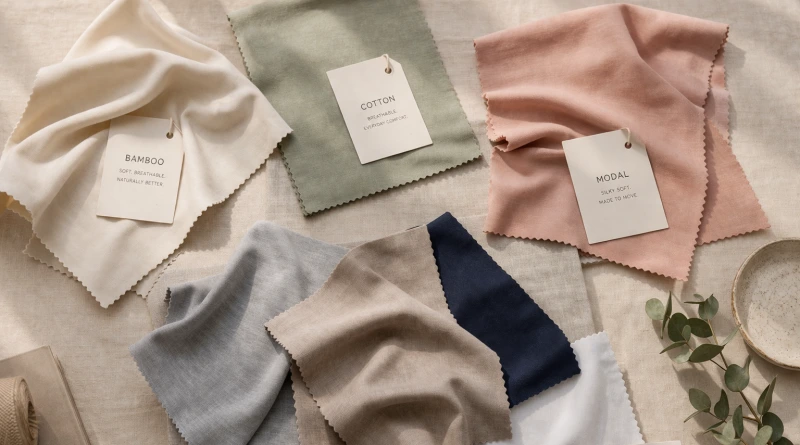
Selecting the right fabrics is the foundation of sustainable pajama manufacturing. You make a difference when you choose certified organic fabrics and eco-friendly materials. Pajamas made from organic cotton and bamboo offer both comfort and sustainability.
These fabrics help reduce environmental impact and support ethical production.
Certified Organic Cotton Pajamas by Friendtex

Organic cotton pajamas give you a soft and breathable option that feels gentle on your skin. Friendtex uses certified organic cotton to create pajamas that are both comfortable and nontoxic.
Organic cotton grows without harmful chemicals, making it a safer choice for you and the planet. You support sustainability when you select organic pajamas made from certified organic cotton.
Organic cotton uses 91% less water than conventional cotton when grown with rain-fed methods. It also avoids pesticides, which protect soil health and farm workers.
Friendtex ensures that all organic cotton fabrics meet strict standards for sustainability and safety. You can trust that these pajamas are made safely and are certified.
Tip: Look for GOTS-certified and OEKO-TEX-certified labels on organic cotton pajamas. These certifications guarantee that the fabrics are free from harmful substances and produced with ethical practices.
Certification | Criteria | Description |
|---|---|---|
GOTS | Organic Fiber Production | Fibers must be farmed organically and certified. At least 70% certified organic fibers for ‘made with organic materials’ label; 95% for ‘organic’. |
GOTS | Processing and Manufacturing | All chemical inputs must be GOTS approved, evaluated for toxicity and biodegradability. Processing units must have an environmental policy and management systems. |
GOTS | Packaging | Must not contain PVC; paper/cardboard must be recycled or certified by FSC/PEFC. |
OEKO-TEX | Testing for harmful substances | Every component is tested for pesticides, flame retardants, phthalates, heavy metals, and formaldehyde. |
OEKO-TEX | Safe levels | Ensures that none of the harmful substances are present above safe levels. |
OEKO-TEX | Stricter requirements for children | Stricter requirements for items used by babies and children to ensure their safety. |
Friendtex’s organic cotton pajamas are GOTS-certified and OEKO-TEX-certified. These certifications show that the fabrics are nontoxic and made safe for you and your family. You get comfort and peace of mind knowing your pajamas support sustainability.
Eco-Friendly Bamboo Pajamas

Bamboo pajamas offer another sustainable and eco-friendly choice. Friendtex uses responsibly sourced bamboo to create pajamas that are soft, breathable, and comfortable. Bamboo grows rapidly without pesticides or fertilizers.
It needs less water than cotton and helps reduce carbon dioxide in the atmosphere.
You benefit from bamboo pajamas because the fabric is biodegradable and breaks down naturally. Unlike synthetic fabrics, bamboo reduces landfill waste. Pajamas made from bamboo support eco-friendly practices and help protect the environment.
Bamboo is one of the most sustainable resources.
It grows quickly and does not require pesticides or chemical fertilizers.
Bamboo uses significantly less water than cotton.
Bamboo clothing material is biodegradable and decomposes within a year.
Farmers can harvest bamboo multiple times a year without replanting.
Bamboo thrives on rainwater alone, reducing strain on water resources.
Friendtex verifies the sustainability of its bamboo sourcing through certifications and advanced technology. The company uses OEKO-TEX and GOTS certifications to ensure the fabrics are free from harmful substances and produced responsibly.
Friendtex also supports closed-loop processing, which recycles water and chemicals to minimize waste and pollution.
Certification/Practice | Description |
|---|---|
OEKO-TEX | Ensures textiles are free from harmful substances. |
GOTS | Guarantees the organic status of textiles, from harvesting to labeling. |
Fair Trade | Promotes fair labor practices and sustainable livelihoods. |
bluesign | Focuses on sustainable textile production and resource efficiency. |
SA8000 | Ensures decent working conditions and labor rights. |
Closed-loop processing | Recycles water and chemicals to minimize waste and pollution. |
Organically grown bamboo | Supports healthy soil and avoids harmful chemicals in production. |
You can trust that Friendtex’s bamboo pajamas are made safe, nontoxic, and certified. These fabrics provide comfort while supporting sustainability and ethical production. Choosing eco-friendly pajamas helps you make a positive impact on the planet.
Note: Certified organic fabrics and eco-friendly materials are essential for sustainable pajama manufacturing. You support both environmental and social responsibility when you select pajamas with GOTS-certified and OEKO-TEX-certified labels.
Green Manufacturing Practices in Pajama Production
Sustainable pajama manufacturing depends on more than just fabric choices. You need to focus on how factories use energy, water, and resources. Green manufacturing practices help you lower your impact on the environment and support climate-neutral goals.
When you choose eco-friendly production, you help protect natural resources and promote ethical production.
Energy and Water Conservation
You can make a big difference by choosing factories that use less energy and water. Many leading pajama manufacturers, including Friendtex, invest in energy-efficient equipment and smart technology. These upgrades reduce electricity use and cut greenhouse gas emissions.
You support sustainability when you select partners who use renewable energy sources, such as solar or wind power.
Water conservation is also essential in sustainable pajama manufacturing. Traditional textile production uses large amounts of water, but eco-friendly factories recycle and reuse water whenever possible.
Friendtex uses advanced water management systems to minimize waste. These systems clean and recycle water, which helps protect rivers and lakes.
You can look for these green practices in pajama production:
Use of organic materials, such as organic cotton and bamboo fiber
Implementation of eco-conscious manufacturing methods, including natural dyes and reduced water consumption
Collaboration with ethical factories that prioritize fair labor and minimal environmental impact
When you choose factories with these responsible practices, you help create a cleaner environment and support climate-neutral goals.
Waste Reduction and Recycling
Waste reduction is a key part of sustainability in pajama production. You can support factories that use closed-loop systems and advanced resource management. These systems recycle leftover fabric and water, turning waste into new resources.
Closed-loop systems and advanced resource management play a vital role in reducing waste in the textile industry, especially in pajama production. A circular economy approach allows resources from used clothing to return to the supply chain.
While these systems can be challenging to implement, they offer great potential for waste reduction through better resource management and recycling technologies.
Friendtex leads the way by using closed-loop processing and recycling programs. These efforts keep waste out of landfills and reduce the need for new raw materials. You help protect the environment when you choose pajamas made in factories that recycle and reuse materials.
The impact of waste reduction and recycling in pajama factories is clear:
Benefit | Description |
|---|---|
Energy Savings | Recycling requires less energy than producing new materials, leading to lower energy consumption. |
Reduced Carbon Footprint | Recycling results in lower greenhouse gas emissions compared to new production methods. |
Water Conservation | Recycling significantly reduces the water footprint associated with clothing production. |
Supports Circular Economy | Promotes reuse and repurposing of materials, reducing waste and resource depletion. |
Consumer Demand | Increased popularity of recycled materials among eco-conscious consumers encourages sustainable practices. |
Quality and Durability | Advances in recycling technology ensure high quality and durability of recycled fabrics. |
You can see that eco-friendly manufacturing not only helps the planet but also meets the needs of modern consumers. By choosing pajamas from factories like Friendtex, you support ethical production and responsible practices. You help build a future where sustainability is the standard for all clothing.
Pajama Certifications and Supply Chain Transparency
Key Certifications for Sustainable Pajamas
You need to look for key certifications when choosing sustainable pajamas. These certifications help you know that your pajamas are made safely and meet strict standards. GOTS and OEKO-TEX are two of the most important certifications for organic cotton and bamboo fabrics.
GOTS-certified pajamas use organic fibers and follow responsible manufacturing. OEKO-TEX-certified pajamas are tested for harmful substances, so you can trust they are safe for you and your family.
Here is a table showing the main certifications you should know:
Certification | Focus | Significance |
|---|---|---|
GOTS | Organic fibers and responsible manufacturing | Ensures textiles are organic, promotes eco-friendly processes, and mandates fair labor practices. |
OEKO-TEX Standard 100 | Product safety | Verifies products are free from harmful substances, ensuring consumer safety and trust. |
BSCI | Social compliance | Promotes better working conditions and ethical standards in supply chains. |
CPSC | Safety assurance | Ensures products meet safety standards, enhancing consumer confidence. |
You should also look for fair trade and organic certifications. These labels show that your pajamas support fair trade and sustainable sourcing. Certified pajamas give you peace of mind because they are made safely and follow strict rules for both people and the planet.
Ensuring Ethical Sourcing with Friendtex
Supply chain transparency is important for sustainable pajama manufacturing. You want to know where your pajamas come from and how they are made. Transparent sourcing lets you trace the journey of your pajamas, from organic cotton fields to finished products.
This builds trust and shows that brands care about ethical and sustainable sourcing.
Friendtex stands out by holding many certifications. These include GOTS, Better Cotton Initiative, ISO 9001, ISO 14001, OHSAS 18001, and Organic 100 Content Standard. Friendtex uses these certifications to prove its commitment to sustainable and ethical practices.
The company also uses digital tools to track every step, so you can see how your pajamas are made safely and responsibly.
Brands often share their certifications and ethical sourcing through clear labels, digital product passports, and honest stories. You can look for these signs when shopping for pajamas. When you choose certified pajamas from Friendtex, you support sustainable sourcing and fair trade.
You help create a future where all pajamas are made safe, ethical, and sustainable.
Continuous Improvement in Sustainable Pajama Manufacturing
Monitoring and Reporting Progress
You need to track your sustainability initiatives to make sure your pajama manufacturing stays on the right path. Regular monitoring helps you spot areas for improvement and measure the impact of your efforts. You can use digital tools to collect data on energy use, water consumption, and waste reduction.
Many brands set clear goals for sustainable production and report progress each year.
You should keep records of your certified materials, such as gots certified organic cotton and Oeko-Tex-tested bamboo. Tracking these certifications shows your commitment to sustainable practices. You can share your results with customers and partners to build trust and show transparency.
Brands often publish sustainability reports that highlight achievements in fair trade, climate-neutral goals, and certified production.
Tip: Set measurable targets for energy savings, water reduction, and waste recycling. Review your progress every quarter to stay ahead in sustainable pajama manufacturing.
Benefit | Description |
|---|---|
Cost Reductions | Sustainable practices lower energy and water costs over time. |
Increased Marketability | Sustainability attracts eco-conscious consumers and boosts sales. |
Improved Workforce Morale | Employees feel proud to work for brands that value sustainability. |
Positive Societal Impacts | Sustainable pajamas help reduce carbon footprints and environmental toxins. |
Third-Party Certification and Audits
You can strengthen your sustainability efforts by working with third-party certification bodies. Certifications like GOTS, Oeko-Tex, and Fair Trade verify that your pajamas meet strict standards for safety and ethics. These certifications require regular audits to ensure ongoing compliance.
Third-party audits check your factory’s processes, labor practices, and material safety. Quality management certifications, such as ISO 9001, show that you have systematic controls and trained staff.
Social compliance certifications, like BSCI and WRAP, confirm ethical treatment of workers and safe conditions. Material safety certifications, including Oeko-Tex and GOTS, guarantee that your pajamas are free from harmful substances.
Third-party certifications ensure consistent product quality and continuous improvement.
Social compliance certifications protect your brand from reputational risks.
Material safety certifications confirm product safety for sensitive categories like children’s pajamas.
You need to schedule audits at least every two years to maintain certification standards. These audits help you identify gaps and improve your sustainability initiatives. Partnering with manufacturers like Friendtex gives you access to certified materials, regular audits, and transparent reporting.
You can rely on Friendtex to support your journey toward climate-neutral and fair-trade pajama production.
Note: Continuous improvement keeps your pajama manufacturing sustainable and competitive. You build trust with customers when you monitor progress and maintain certified standards.
Conclusion
You can lead the way in sustainable pajama manufacturing by taking clear steps. Start with certified organic cotton and bamboo fabrics for your pajamas to ensure comfort and nontoxic quality. Choose eco-friendly production and partner with trusted suppliers like Friendtex.
Offer repair and resale options, and use circular economy practices to extend the life of organic pajamas. As consumer demand grows for certified and transparent supply chains, you help set new standards for comfort and sustainability.
Consumer Trend | Impact on Pajama Manufacturing |
|---|---|
Demand for certified fabrics | Drives the use of organic cotton and safe pajamas |
Preference for eco-friendly options | Promotes nontoxic and sustainable comfort |
Tip: Keep monitoring your progress and always look for ways to improve your certified and sustainable practices.
FAQ
What certifications should you look for in sustainable pajamas?
You should look for GOTS, OEKO-TEX, and BCI certifications. These labels show that your pajamas meet high standards for organic materials, safety, and ethical production.
How do you care for organic cotton pajamas?
Wash your organic cotton pajamas in cold water. Air dry or use a low heat setting. This helps keep the fabric soft and extends the life of your pajamas.
Why is bamboo considered eco-friendly?
Bamboo grows quickly and does not need pesticides. Pajamas made from bamboo use less water and energy. You help the planet when you choose bamboo fabrics.
How can you tell if pajamas are truly sustainable?
Check for trusted certifications and clear supply chain information. Brands like Friendtex share details about their materials and processes. This helps you make informed choices.
Are sustainable pajamas safe for sensitive skin?
Yes! Pajamas made from certified organic cotton or bamboo are hypoallergenic. They feel soft and gentle, making them a great choice for sensitive skin.