You want the best for your baby, so it’s natural to wonder, Is organic cotton better for babies? Many parents choose organic cotton because it feels gentle and safe. Studies show organic cotton rarely contains allergens or formaldehyde resins, which helps protect babies with sensitive skin or eczema.
You also lower your child’s exposure to chemicals linked to developmental issues. In fact, a 2022 study found organic cotton bodysuits had much lower levels of PCBs than regular cotton. Your concerns matter, and your choices truly make a difference.
Key Takeaways
Organic cotton is gentle on sensitive skin, reducing the risk of irritation and allergies for your baby.
Choosing GOTS-certified organic cotton ensures safety and quality, protecting your child from harmful chemicals.
Organic cotton is more breathable than regular cotton, helping to regulate your baby’s temperature for better sleep.
Investing in organic cotton pajamas means durability; they maintain their softness and shape through many washes.
Supporting organic cotton production benefits the environment by reducing pollution and conserving water.
What Is Organic Cotton for Babies?
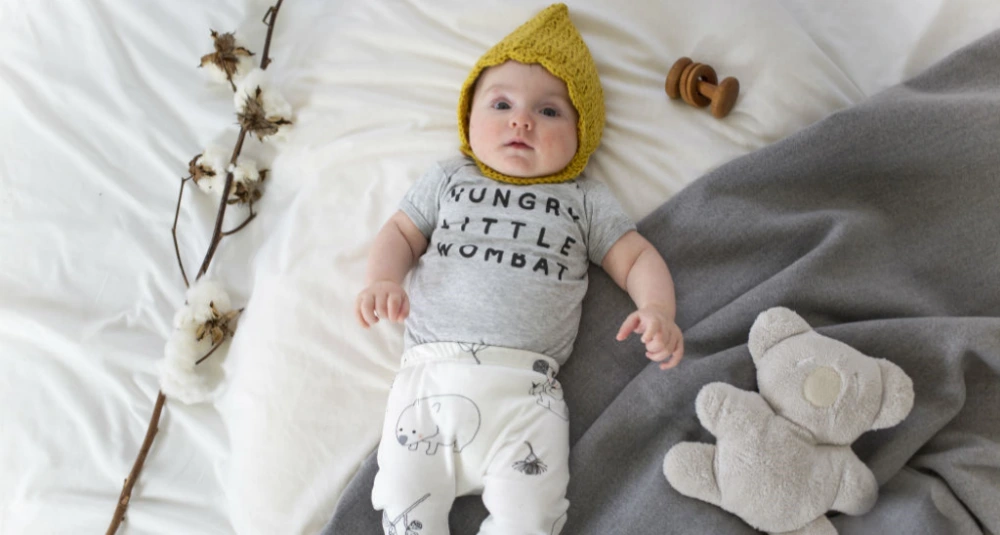
When you shop for baby clothes, you might notice labels like “organic cotton” or “GOTS-certified organic cotton.” But what do these terms really mean for your little one?
Organic vs. Regular Cotton
Let’s break down the main differences between organic cotton for babies and regular cotton. You want your baby’s skin to touch only the safest, softest fabrics. Here’s why organic cotton stands out:
Regular cotton farming uses a lot of chemical pesticides and fertilizers. These chemicals can stay on the fabric and may irritate sensitive skin.
Organic cotton is grown without harmful chemicals. Farmers use natural compost and rotate crops to keep the soil healthy.
Regular cotton often comes from genetically modified seeds. Organic cotton uses only natural, non-GMO seeds.
Organic cotton is usually hand-picked. This gentle process keeps the fibers soft and strong.
Conventional cotton is one of the most chemically intensive crops in the world. Organic cotton farming avoids toxic pesticides and synthetic fertilizers, making it safer for both your baby and the planet.
Factories that produce regular cotton can pollute the environment. Organic cotton production uses eco-friendly methods.
You can see why so many parents now look for GOTS-certified organic cotton when choosing baby pajamas. In fact, about 67% of millennial parents want toxin-free clothing for their infants, and over half of consumers prefer organic cotton for its skin-friendly qualities.
Friendtex takes these concerns seriously. The brand uses GOTS-certified organic cotton in its baby pajamas, so you know your baby gets the best.
Certifications Like GOTS
You might wonder how you can trust that a product is truly organic. The Global Organic Textile Standard (GOTS) is the gold standard for organic cotton. When you see gots-certified organic on a label, you know the product meets strict rules.
GOTS certification bans harmful chemicals, requires safe dyes, and checks every step of production. This means gots-certified organic cotton pajamas from Friendtex are safe for your baby’s delicate skin and better for the environment.
Tip: Always look for the GOTS label when shopping for organic cotton baby clothes. It’s your assurance of safety and quality.
Organic Cotton Benefits for Babies
Gentle on Sensitive Skin
Your baby’s skin is delicate and needs extra care. You want pajamas that feel soft and never cause irritation. Organic cotton is hypoallergenic, so it creates a gentle barrier against allergens. You avoid harsh chemicals, which means less chance of redness or rashes.
Pediatricians often recommend organic cotton for babies with eczema or dermatitis. You can trust that Friendtex Organic Cotton Pajamas will keep your little one comfortable, even if they have sensitive skin.
Organic cotton is hypoallergenic, protecting against environmental allergens.
It is free from harmful chemicals, reducing the risk of skin irritations and allergic reactions.
The breathability and moisture-wicking properties help regulate temperature and keep babies dry, minimizing heat rashes.
Chemical-Free and Hypoallergenic
You probably worry about what touches your baby’s skin. Non-organic cotton baby clothes can contain fire retardants, pesticides, formaldehyde, glues, synthetic dyes, and antimicrobial treatments. These chemicals may cause skin irritation, disrupt hormones, or even lead to allergic reactions.
Organic cotton skips all these additives. You get peace of mind knowing your baby’s pajamas are chemical-free and hypoallergenic.
Organic cotton is grown without pesticides or chemical fertilizers.
It minimizes the risk of allergic reactions and skin irritation.
Pediatricians recommend organic cotton for babies prone to eczema.
Breathable and Comfortable
You want your baby to sleep soundly. Organic cotton lets air flow freely, which helps regulate body temperature. Synthetic fabrics like polyester trap heat and moisture, making babies uncomfortable. Organic cotton pajamas from Friendtex keep your baby cool in summer and cozy in winter.
The superior breathability means fewer worries about overheating or sweaty nights.
Organic cotton demonstrates superior breathability compared to regular cotton.
Natural fabrics like 100% cotton are super-breathable, keeping babies cool and comfortable.
Organic cotton is less likely to irritate sensitive skin.
Durability and Longevity
You want pajamas that last through many washes and still look new. Organic cotton maintains its size and softness better than regular cotton. The fibers are strong and tough, so the pajamas do not pill or tear easily. Many parents find they can resell organic cotton baby clothes because they stay in great condition.
Friendtex Organic Cotton Pajamas offer durability, making them a smart investment for your baby’s wardrobe.
Organic cotton baby clothes last longer than conventional cotton alternatives.
They maintain softness and shape after many washes.
Hand-picked fibers ensure strength and longevity.
Tip: Choose organic cotton pajamas for your baby if you want comfort, safety, and lasting quality. You’ll notice the difference with every wear.
Is Organic Cotton Better for Babies? Health and Safety
Health Advantages of Organic Baby Clothes
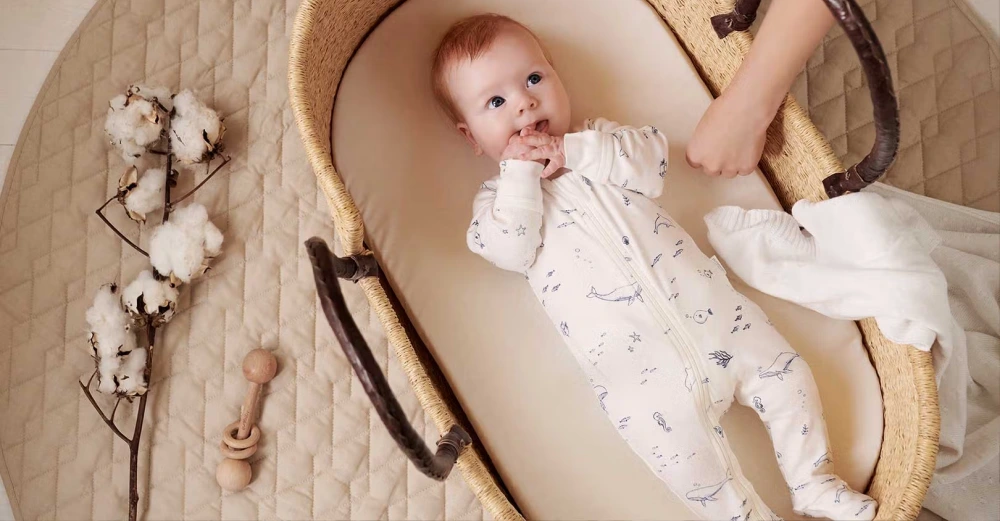
You want your baby to feel safe and comfortable every day. When you ask, Is organic cotton better for babies, you’re really asking about health. Pediatricians often warn parents about the risks found in non-organic cotton baby clothes.
Harmful chemicals can linger in the fabric and touch your baby’s skin. Let’s look at what you might find in regular cotton clothing:
Health Risk | Description |
|---|---|
PCBs | Non-organic cotton baby clothes may contain polychlorinated biphenyls (PCBs), which can lead to skin irritation and other health issues. |
Formaldehyde | The presence of formaldehyde in non-organic cotton can cause skin irritation and allergic reactions. |
Pesticide Residues | Non-organic cotton may have pesticide residues linked to developmental delays and immune dysfunction in children. |
You probably want to avoid these risks. Pesticide exposure in non-organic cotton is associated with developmental delays. It can lead to immune system dysfunction. Some studies even link pesticide residues to increased cancer risk.
When you choose organic baby clothes, you lower your child’s exposure to these harmful substances.
Friendtex Cotton Baby Pajamas and Kids Cotton Pajamas use certified organic cotton. You get peace of mind knowing your baby’s pajamas are free from dangerous chemicals. You protect your child’s skin and support their healthy development.
Safety and Comfort in Organic Clothing
You know comfort matters just as much as safety. Babies have delicate skin that reacts quickly to rough fabrics or hidden chemicals.
Is organic cotton better for babies when it comes to comfort? Absolutely. Organic cotton is soft and breathable, making it gentle on your baby’s skin. You help prevent rashes and irritation, especially if your child has eczema or allergies.
Organic cotton is less likely to contain allergens or harmful chemicals.
The National Eczema Association recommends organic cotton as the top choice for skin-friendly clothing.
You give your baby a better sleep experience with pajamas that regulate temperature and wick away moisture.
Friendtex designs organic cotton pajamas with your baby’s comfort in mind. You’ll notice how easily your child settles down at bedtime. The pajamas feel soft and cozy, helping your baby sleep longer and wake up happy.
Note: You can trust organic cotton for babies to deliver both safety and comfort. You make a smart choice for your child’s health and well-being.
Is organic cotton better for babies? The answer is yes. You protect your baby from chemicals, support healthy skin, and create a safe sleep environment. When you choose organic baby clothes from Friendtex, you invest in your child’s future.
Environmental Impact of Organic Baby Clothes
Sustainability in Organic Cotton Production
You care about your baby’s health, but you also want to protect the planet. Choosing organic cotton baby clothes supports sustainability in many ways. Organic cotton farming skips synthetic pesticides and fertilizers.
This means less pollution and safer soil for future generations. Farmers use natural compost and crop rotation, which keeps the earth healthy.
Organic cotton production saves a huge amount of water. You might be surprised to learn that making organic cotton baby clothes can use up to 91% less water than conventional cotton. That’s a big difference. Regular cotton farming uses thousands of liters of water for just one T-shirt.
Organic cotton also helps reduce carbon emissions. Conventional cotton farming in places like China and the U.S. creates much more CO2 than organic cotton farms in countries such as Turkey or Kyrgyzstan.
Here’s a quick look at how organic cotton compares to conventional cotton:
Aspect | Organic Cotton | Conventional Cotton |
|---|---|---|
Pesticides | No synthetic pesticides | Heavy chemical use |
Water Usage | Much less water is needed | Over 2,700 liters for one T-shirt |
Carbon Footprint | Lower emissions | Higher emissions |
Pollution | Minimal runoff | Significant pollution |
When you choose organic cotton baby clothes, you support environmental sustainability and help create a cleaner world for your child.
Friendtex’s Eco-Friendly Practices
You want to buy from brands that care about the planet. Friendtex leads the way with eco-friendly practices and a strong commitment to sustainability. The company uses certified organic cotton for its baby pajamas, which means every step of production meets strict environmental standards.
Friendtex holds certifications like GOTS, Organic 100 Content Standard, and Better Cotton Initiative. These certifications show that Friendtex values safe, responsible manufacturing.
Friendtex also reduces waste and energy use in its factories. The brand invests in advanced technology to lower its carbon footprint. You can trust that Friendtex’s organic cotton pajamas are not only gentle on your baby’s skin but also kind to the environment.
Friendtex uses natural, non-toxic dyes.
The company supports ethical labor and fair working conditions.
Friendtex’s packaging is recyclable and designed to minimize waste.
Tip: When you choose Friendtex organic cotton baby pajamas, you support a brand that puts environmental sustainability first.
Choosing the Best Organic Cotton Pajamas
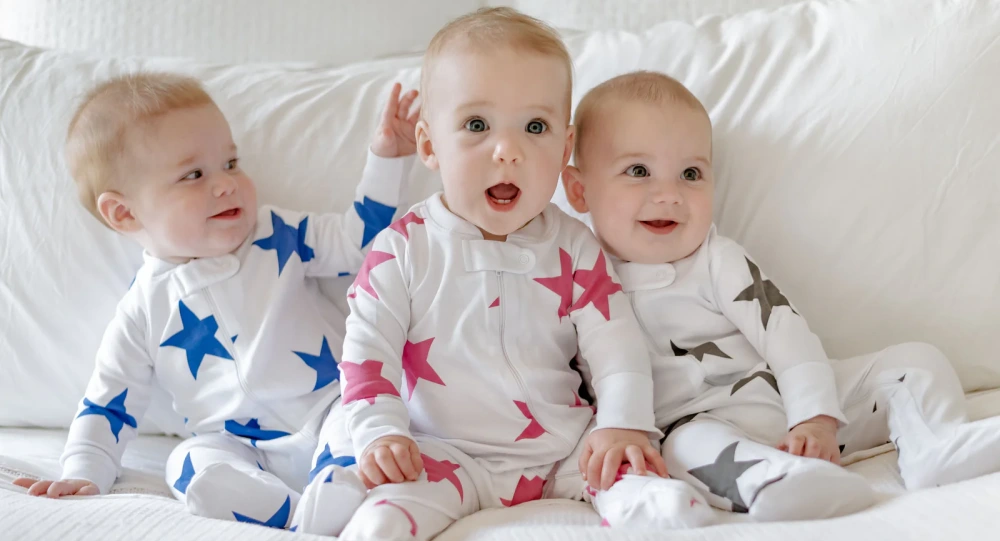
How to Identify Genuine Organic Cotton?
You want to make sure your baby’s pajamas are truly organic. It’s easy to get confused by labels and claims. Here’s a quick table to help you spot genuine organic cotton:
Indicator | What to Look For |
|---|---|
Certifications | GOTS or OEKO-TEX labels show organic standards. |
Sourcing Methods | Brands should share how they source their cotton. |
Product Labeling | Clear organic labeling is a must. |
Fabric Texture | Real organic cotton feels soft and breathable. |
Color | Natural dyes often mean authentic organic cotton. |
You should also check for compliance with safety standards like CPSC and ASTM F963. Brands that minimize chemical treatments and follow ethical practices stand out.
Tips for Buying Organic Baby Pajamas
Shopping for organic cotton jammies can feel overwhelming. You want the best for your child, so keep these tips in mind:
Look for certifications like GOTS to ensure safety and ecological standards.
Choose pajamas made from natural materials, such as high-quality organic cotton, for breathability and softness.
Avoid harsh finishes or strong chemical smells.
Opt for snug-fitting pajamas for children under five, which meet fire safety standards without harmful chemicals.
Wash new pajamas before your baby wears them.
Start with items that sit close to the skin, like those in an organic cotton baby collection.
Tip: Always read the product description and check garment labels for organic cotton claims. You can use online tools to verify certifications or ask the retailer for sourcing details.
Why Choose Friendtex for Organic Clothing?
You want a brand you can trust. Friendtex stands out for its commitment to quality and sustainability. The company uses certified organic cotton and offers customizable designs for babies and kids. You get peace of mind knowing every pajama meets strict safety and ethical standards.
Friendtex’s organic clothing is soft, breathable, and gentle on sensitive skin. You can choose from a wide range of styles, colors, and patterns to match your child’s personality.
Friendtex makes it easy to build your organic cotton baby collection. The brand’s pajamas last through many washes and keep their softness. You support eco-friendly practices and give your baby the comfort they deserve.
Conclusion
Choosing organic cotton for your baby means you put health, comfort, and the planet first. You get peace of mind knowing organic cotton is soft, breathable, and gentle on sensitive skin. Parents love that it’s grown without harsh pesticides and lasts through many washes. Here’s why so many families make the switch:
Soft and comfortable for delicate skin
Grown without traditional pesticides
Less likely to cause irritation or allergies
Breathable to help regulate body temperature
Durable for long-lasting wear
Every step you take to choose safer, certified options like Friendtex matters. Try adding a few organic cotton pieces to your baby’s wardrobe and see the difference for yourself.
FAQ
What makes organic cotton safer for my baby?
Organic cotton skips harsh chemicals and pesticides. You get fabric that feels soft and gentle on your baby’s skin. You lower the risk of irritation, allergies, or rashes. Many parents notice fewer skin problems when they switch to organic cotton.
How do I know if pajamas are truly organic?
Look for trusted certifications like GOTS or OEKO-TEX on the label. These show the pajamas meet strict organic standards. If you see these marks, you can feel confident about your choice.
Can organic cotton pajamas help with eczema or sensitive skin?
Yes! Organic cotton is hypoallergenic and free from irritants. Babies with eczema or sensitive skin often feel more comfortable in organic cotton pajamas. You may see less redness and fewer flare-ups.
Are organic cotton pajamas more durable?
You’ll find that organic cotton pajamas hold up well. The fibers stay strong through many washes. They keep their softness and shape, so you get more value for your money.
Why should I choose Friendtex for organic baby pajamas?
Friendtex uses certified organic cotton and eco-friendly practices. You get pajamas that are soft, safe, and customizable. Friendtex focuses on quality and sustainability, so you can trust your baby’s comfort and the planet’s future.