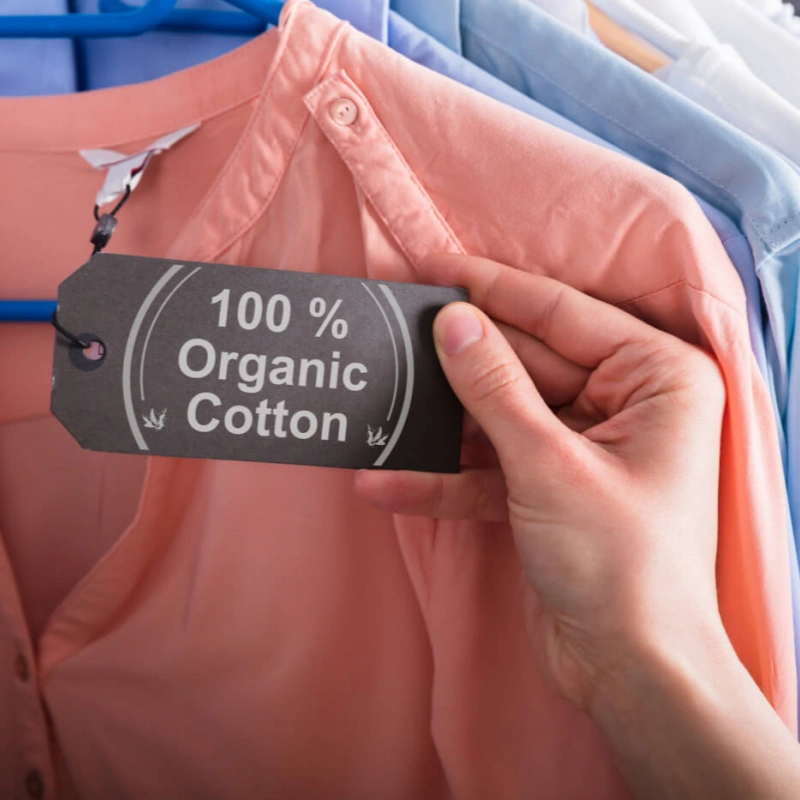
Looking for the best organic cotton clothing manufacturers for your sustainable fashion brand? You know how rare organic cotton still is—only about 0.7% of global cotton production qualifies, though it’s growing fast with leaders like India and China.
Certifications such as GOTS, SKAL, and OEKO-TEX matter a lot. They show that a manufacturer cares about the planet, safe materials, and ethical practices. Choosing the right partner means you get quality, transparency, and real sustainability.
Key Takeaways
Choosing the right organic cotton manufacturer boosts your brand’s sustainability and reduces environmental impact.
Look for key certifications like GOTS and OEKO-TEX to ensure ethical practices and high-quality materials.
Transparency in the supply chain builds trust with consumers and helps you verify ethical production standards.
Consider manufacturers that offer low minimum order quantities to test new designs without large risks.
Prioritize manufacturers with a strong commitment to ethical labor practices and environmental responsibility.
Why Manufacturer Choice Matters?
Impact on Sustainability
When you pick the right manufacturer, you directly influence your brand’s sustainability. A good partner uses fibers grown without synthetic pesticides or genetically modified organisms, which helps reduce agricultural impact and promotes biodiversity.
They also adopt natural dyes and eco-friendly processing methods, cutting down water pollution and toxic waste. Plus, many manufacturers implement energy-efficient practices and water-saving techniques, lowering their ecological footprint.
Choosing a manufacturer committed to fair trade and ethical practices ensures fair treatment and safe working conditions for workers. Certifications like Fair Trade or GOTS confirm these standards.
Some manufacturers even promote recycling and upcycling initiatives, encouraging textile waste reuse and offering take-back programs. These efforts help create a circular economy, making your brand more sustainable overall.
Research shows that organic cotton production has a much lower environmental impact compared to conventional cotton. Conventional farming relies heavily on toxic chemicals, depletes soil health, and consumes vast amounts of water—over 2,700 liters for a single T-shirt.
Organic cotton, on the other hand, enhances ecosystem health by reducing chemical use and conserving resources. This difference in practices means your choice of manufacturer can significantly reduce your brand’s environmental footprint.
Quality and Supply Chain Transparency
Quality is not just about the final product; it starts with transparency across the supply chain. When your manufacturer maintains clear, traceable supply chains, it boosts your brand’s reputation. Consumers today want to know where their products come from and how they’re made.
Transparency across the supply chain builds trust and loyalty, showing your commitment to responsible sourcing and ethical practices.
Moreover, transparent practices help you identify and mitigate risks related to labor violations or environmental harm. Knowing exactly where and how your materials are sourced ensures you meet regulatory standards and align with consumer expectations.
This traceable supply chain also makes it easier to verify certifications like GOTS or OEKO-TEX, which are crucial for sustainable fashion brands.
In short, choosing a manufacturer that values transparency across the supply chain ensures you deliver high-quality, ethically produced products. It also helps you build a trustworthy brand that consumers support and advocate for.
Key Certifications for Organic Cotton Clothing Manufacturers
GOTS, OEKO-TEX, and More
When you search for organic cotton clothing manufacturers, you’ll see a lot of certifications. These certifications show that a company follows environmental and social standards.
You want to make sure your brand uses certified materials and certified production processes. Let’s look at the most important certifications and what they mean for you.
Here’s a quick table to help you understand the requirements for GOTS and OEKO-TEX:
Certification | Key Requirements |
|---|---|
GOTS | – At least 70% organic fibres |
Manage environmental impact
High labor standards
Reduce energy and water usage
Compliance verified by independent auditors | | OEKO-TEX | – Materials must not be harmful to humans
Monitoring of dyes, fabrics, chemicals
MADE IN GREEN adds environmental sustainability, social responsibility, and product traceability |
GOTS stands out as the gold standard for certified organic practices. It checks both environmental and social standards. OEKO-TEX focuses on certified materials and environmental compliance. MADE IN GREEN goes further by adding traceability and ethical and environmental compliance.
Other certifications and compliance credentials include Organic 100 Content Standard, Fair Trade, and SA8000. These certifications help you prove your brand meets environmental and social standards. They also show your commitment to certified organic practices and certified production processes.
Ethical and Labor Standards
You want your manufacturer to follow strict ethical and labor standards. Social compliance certification, like SA8000, covers many important areas. Check out this table for what SA8000 includes:
Element | Description |
|---|---|
Child Labor | Prohibits the employment of children in hazardous conditions. |
Forced Labor | Ensures no forced or compulsory labor is used. |
Health and Safety | Mandates safe working conditions for all employees. |
Freedom of Association | Supports workers’ rights to organize and join unions. |
Discrimination | Prohibits discrimination in hiring and employment practices. |
Disciplinary Practices | Ensures fair treatment in disciplinary actions. |
Working Hours | Regulates working hours to prevent excessive overtime. |
Remuneration | Guarantees living wages for workers. |
Management Systems | Requires effective management systems to uphold these standards. |
These certifications matter because they protect workers and support ethical and environmental compliance. You build trust with your customers when you choose manufacturers who meet environmental and social standards.
Certifications help you show your brand cares about environmental compliance and social responsibility. You also get peace of mind knowing your products use certified materials and follow certified organic practices.
Tip: Always ask your manufacturer for certifications and compliance credentials. This step helps you verify their commitment to environmental and social standards.
Leading Organic Cotton Clothing Manufacturers Worldwide
You want to know who leads the way in organic cotton clothing manufacturing. The market is booming, especially in the Asia-Pacific region, which holds almost 70% of the global share.
Europe is also growing fast, with Germany and the UK as major players. Let’s look at the top organic cotton clothing manufacturers you should consider for your sustainable brand.
Friendtex
Friendtex stands out as a premium ethical clothing manufacturer based in China. You get a one-stop solution here, from design to delivery.
Friendtex holds a long list of certifications, including GOTS, Organic 100 Content Standard, TUV, Amfori, Sedex, Confidence in Textiles, SGS, QIMA ONE, ISO, Intertek, and Better Cotton Initiative. These certifications guarantee certified organic cotton and responsible production.
You’ll love their focus on innovation, quality, and sustainability. Friendtex offers a wide range of products, but their organic cotton pajamas and organic cotton underwear are especially popular.
You can customize styles, colors, and patterns to match your brand’s vision. Friendtex uses high-quality fabrics like Tencel, Bamboo, Lenzing Modal, Pima Cotton, and recycled content, making them a GRS-certified clothing manufacturer as well.
Here’s a quick look at what sets Friendtex apart:
Aspect | Description |
|---|---|
Premium Positioning | High-end, innovative, and sustainable manufacturing for global brands |
Certified Organic Cotton | GOTS, Organic 100, and more |
Product Focus | Pajamas, underwear, children’s wear, and custom garments |
Recycled Content | Uses recycled polyester and other eco-friendly materials |
Labor Practices | Fair wages, safe conditions, and supportive values |
Customization | Bespoke design, low MOQs, and flexible production |
Thygesen Textile Vietnam
Thygesen Textile Vietnam is a powerhouse in the Asia-Pacific region, which dominates the organic cotton market. You get a production capacity of 10 million units per year.
Thygesen specializes in certified organic cotton clothing and performance apparel for brands that want scale and reliability. They focus on sustainable materials, including recycled content, and offer flexible solutions for both large and small orders.
Billoomi Fashion
Billoomi Fashion, based in India, is a woman-owned, family-run business. You’ll find a strong commitment to ethical labor, fair wages, and eco-friendly materials. They hold certifications like GOTS, OEKO-TEX 100, SEDEX, and ISO 9001:2015, making them a trusted GRS-certified clothing manufacturer.
Billoomi focuses on certified organic cotton, recycled content, and fair trade practices. Their core values center on sustainability, and they offer a wide range of garments for men, women, and children.
Certification | Description |
|---|---|
GOTS | Global Organic Textile Standard |
OEKO-TEX 100 | Safe for human use |
SEDEX-audited | Ethical supply chain |
ISO 9001:2015 | Quality management |
ASNS Apparel

ASNS Apparel is another top choice if you want certified organic cotton and sustainable fabrics. They’re GOTS certified and focus on organic cotton farmed without toxic chemicals. ASNS Apparel promotes a healthier lifestyle through eco-friendly materials and ethical production.
You can trust them as a GRS-certified clothing manufacturer, especially if you want to highlight recycled content and environmental friendliness in your brand.
Strengths and Certifications | Description |
|---|---|
Commitment to Organic Fabrics | Emphasizes organic and sustainable fabrics |
GOTS Certification | Meets global organic textile standards |
Environmental Friendliness | Uses cotton farmed without harmful chemicals |
Akcakaya Textile
Akcakaya Textile, based in Turkey, operates an eco-friendly factory that meets international standards. You get a wide range of products, including garments for women, men, children, and babies. They use certified organic cotton, bamboo, Tencel, and recycled content.
Akcakaya partners only with suppliers who meet strict sustainability criteria. Their focus on quality and environmental responsibility makes them a reliable partner for sustainable fashion brands.
ASBX Fashion Group
ASBX Fashion Group offers something unique for new and growing brands. You can order blank apparel online with no minimum order quantity. ASBX uses organic cotton, recycled fibers, and eco-conscious printing and dyeing. They’re 100% eco-friendly certified and a GRS certified clothing manufacturer.
You get customization options like block printing, embroidery, and DTG printing. This flexibility helps you launch your line without excess inventory or waste.
No MOQ on blank apparel
Sustainable fabrics and recycled content
Eco-friendly printing and dyeing
Customization options for unique branding
Square Fashion
Square Fashion is a leading manufacturer in Bangladesh, a country known for its large-scale textile production. You can source casualwear, sportswear, undergarments, and denim made from certified organic cotton and recycled content.
Square Fashion supports sustainable practices and offers performance apparel for brands that want both style and function.
Country: Bangladesh
Product Lines: Casualwear, sportswear, undergarments, denim
Ninghow

Ninghow, based in China, is a trusted name among organic cotton clothing manufacturers. They hold GOTS, OEKO-TEX, and Fairtrade certifications. Ninghow uses cotton grown without harmful chemicals and natural fertilizers, making their products safe for sensitive skin.
You’ll find a focus on certified organic cotton, recycled content, and ethical production.
GOTS, OEKO-TEX, Fairtrade certified
Uses natural fertilizers and safe materials
Great for sensitive skin and eco-conscious brands
Organic Apparel USA
Organic Apparel USA is a leader in supply chain transparency and ethical production. You get GOTS certified organic cotton, OEKO-TEX Standard 100, and zero-discharge dyeing. They power their manufacturing with renewable energy and use plastic-free, recyclable packaging.
Organic Apparel USA ensures fair wages and living wage top-ups for workers, monitored by independent inspectors. They focus on recycled content and certified organic cotton for brands that value accountability.
Certification/Practice | Description |
|---|---|
GOTS Certified Organic Cotton | Full chain of custody, from farm to garment |
OEKO-TEX® Standard 100 | Free from harmful substances |
Zero-Discharge Dyeing | No hazardous chemical discharge |
Ethical Manufacturing & Living Wages | Fair compensation, third-party monitored |
Renewable Energy Production | Low carbon intensity |
Plastic-Free Shipping | 100% recyclable, paper-based mailers |
Crystal Group
Crystal Group is a global leader in sustainable manufacturing. You get a wide range of products, including performance apparel, casual wear, and children’s clothing. Crystal Group uses certified organic cotton, recycled content, and advanced eco-friendly technologies.
They focus on innovation, quality, and ethical labor practices. Their global reach and experience make them a top choice for brands seeking reliable organic cotton clothing manufacturers.
Esquel Group
Esquel Group, based in China, has built a strong reputation for sustainability. They invest in eco-friendly technologies and support cotton farmers through micro-financing. Esquel Group’s supply chain ranks as one of the greenest in China.
You get certified organic cotton, recycled content, and a commitment to ethical production. Their leadership in sustainable practices makes them a trusted GRS-certified clothing manufacturer for brands worldwide.
Note: Asia-Pacific leads the organic cotton market with nearly 70% share. Europe is growing fast, with Germany and the UK as key players. The market value in Europe is expected to reach $14.48 billion by 2034.
If you want to build a sustainable fashion brand, these organic cotton clothing manufacturers offer certified organic cotton, recycled content, and ethical production. You can find the right partner for your needs, whether you want performance apparel, casualwear, or custom designs.
Comparing Manufacturer Strengths and Offerings
Production Capacity and Flexibility
When you compare organic cotton clothing manufacturers, you’ll notice big differences in how much they can produce and how flexible they are with orders. Some factories handle millions of pieces each year, while others focus on smaller batches. Here’s a quick look at how top manufacturers stack up:
Manufacturer | Production Capacity (pieces/year) | Certifications | MOQ (units) | Lead Time | ODM/OEM Expertise | Innovation & Sustainability | Price Range ($/piece) | Ratings |
|---|---|---|---|---|---|---|---|---|
Friendtex | 500,000–2M+ | GOTS, ISO, OEKO-TEX, BSCI | 50–500 | Rapid | Full-service | Digital tools, recycled fabrics | 5–150 | 5+/5 |
Thygesen Textile | 10M+ | GOTS, SA8000, WRAP | 1000 | Fast | OEM/ODM | LEAN production, eco focus | 4–120 | 5/5 |
Billoomi Fashion | 500,000+ | GOTS, OEKO-TEX, SEDEX, ISO | 100 | Moderate | OEM/ODM | Recycled content, fair trade | 6–100 | 4.8/5 |
You get more flexibility with manufacturers like Friendtex, who offer low minimum order quantities and quick turnaround times. This helps you test new designs or scale up fast. Some brands, like Royal Apparel, also focus on low MOQs and water-efficient dyeing, which supports sustainable garment production.
Sustainable Materials and Customization
You want your brand to stand out with unique designs and eco-friendly fabrics. Top manufacturers offer a wide range of sustainable materials, including organic cotton, bamboo, Tencel, and recycled fibers. Customization is another key feature. You can choose colors, patterns, and even packaging to match your vision.
Manufacturer | Certifications | Key Specialties | Location |
|---|---|---|---|
Friendtex | GOTS, Organic 100, ISO | Bespoke sleepwear, custom underwear | China |
Thygesen Textile | GOTS, SA8000, WRAP | LEAN production, OEM/ODM | Vietnam |
Billoomi Fashion | GOTS, OEKO-TEX, SEDEX | Small-batch, fair trade, recycled | India |
Qianshiwear | GOTS, Ethical Audits | Small-batch customization, innovation | Global |
Continental Clothing | GOTS, Fair Wear | Traceable cotton, low-carbon footprint | India/UK |
Friendtex stands out with its one-stop solution for design, proofing, and high-quality apparel production. You can create custom organic cotton pajamas or underwear that reflect your brand’s style. This level of customization supports sustainable fabric sourcing and helps you build a unique product line.
Experience and Reputation
You want to work with manufacturers who have a strong track record and follow responsible manufacturing practices. Look for companies with third-party audits like BSCI or SA8000. These audits show a real commitment to ethical production. Certifications like GOTS prove the cotton is grown without harmful chemicals and meets strict environmental standards.
Third-party audits (BSCI, SMETA, SA8000) show ethical production.
Organic cotton certification means safer, cleaner materials.
Garment construction expertise ensures comfort and durability.
Friendtex, Thygesen Textile, and Billoomi Fashion all have years of experience and positive ratings. They use sustainable production practices and focus on quality at every step. When you choose a partner with a great reputation, you set your brand up for long-term success.
Tip: Always ask about certifications, audits, and experience before you commit. This helps you find a partner who values sustainability as much as you do.
Tips for Sustainable Fashion Brands: Choosing a Manufacturer
Choosing the right manufacturer can make or break your journey as a sustainable fashion brand. You want a partner who shares your values, delivers quality, and helps you build a responsible supply chain. Let’s break down the steps you should take to find the best fit for your brand.
Verifying Certifications
You can’t just take a manufacturer’s word for it when it comes to certifications. Here’s how you can make sure their claims are real:
Check for Key Certifications
Look for certifications like GOTS, OEKO-TEX, and WRAP. These show the manufacturer meets strict organic and ethical standards. Friendtex, for example, holds a wide range of certifications, including GOTS and OEKO-TEX, so you know they’re serious about sustainability.Ensure Factory Transparency
Ask your potential partner to share details about their practices and operations. A trustworthy manufacturer will be open about their processes and happy to answer your questions.Visit the Factory or Request a Virtual Tour
If you can, visit the factory in person. If not, ask for a virtual tour. This helps you see working conditions and verify that the company follows ethical standards.Tip: Always ask for up-to-date certificates and check if they’re verified by independent auditors. This step protects your brand and your customers.
Assessing MOQs and Capacity
Minimum order quantities (MOQs) and production capacity can affect your ability to scale or test new designs. Here’s what you should consider:
Know Your Needs
Figure out how many pieces you need for your first order. Some manufacturers, like Friendtex, offer low MOQs, which is perfect if you want to start small or try out new ideas.Check Production Capacity
Make sure your manufacturer can handle your growth. If you plan to expand, you’ll want a partner who can scale with you.Ask About Lead Times
Find out how long it takes from order to delivery. Quick turnaround times help you respond to trends and keep your customers happy.Look for Full-Service Partners
Working with a full package manufacturer, like Friendtex, streamlines the process. You get everything from design to delivery in one place, which saves time and reduces headaches.
Factor | What to Ask | Why It Matters |
|---|---|---|
MOQ | What’s the minimum order quantity? | Flexibility for small brands |
Capacity | How many pieces can you produce per month? | Supports your brand’s growth |
Lead Time | How long from order to delivery? | Keeps your launches on track |
Full-Service Options | Do you offer design, sampling, and logistics? | Simplifies your supply chain |
Evaluating Communication and Traceability
Good communication and supply chain traceability are essential for building trust and ensuring ethical production. Here’s how you can evaluate these areas:
Set clear goals for what you want to achieve with supply chain traceability. Maybe you want to meet regulations or prove your sustainability claims.
Map out the supply chain with your manufacturer. Ask them to identify all stakeholders, from cotton farms to finished garments.
Standardize how you collect and share data. This keeps information accurate and consistent.
Use technology like blockchain or IoT tools to track materials and processes. These tools make it easier to verify claims and spot issues early.
Build strong relationships with your manufacturer. Open communication helps you solve problems quickly and keeps everyone on the same page.
Note: Friendtex stands out as one of the most reliable sustainable apparel partners. They use advanced technology for supply chain traceability and maintain open communication at every step.
Sustainable fashion brands need to stay on top of the latest trends. Organic cotton is now a top choice because it’s safer for the environment and people. The industry is moving toward more responsible supply chains, so working with ethical manufacturers is more important than ever.
When you follow these steps, you set your brand up for long-term success. You get peace of mind knowing your products are truly sustainable, and your customers will trust your commitment to quality and ethics.
Conclusion
Choosing certified organic cotton clothing manufacturers shapes your brand’s future. You get ethical production, a stronger brand image, and meet growing consumer demand for transparency.
Benefit | Description |
|---|---|
Ethical Production | Follows fair labor standards and responsible sourcing |
Enhanced Brand Image | Shows your commitment to sustainability |
Meeting Consumer Demand | Aligns with what today’s shoppers want |
Consider Friendtex and other top manufacturers for their eco-friendly materials, innovative technology, and reliable quality. Use the tips shared to find partners who value sustainability, regular audits, and creative textile solutions. Your choices today help build a better, greener fashion industry.
FAQ
What makes organic cotton better for my brand?
Organic cotton uses no harmful chemicals. You get softer, safer fabric. Your brand stands out as eco-friendly. Customers trust you more when you choose organic materials.
How do I check if a manufacturer is truly certified?
Ask for certificates like GOTS or OEKO-TEX. Check the certificate number on the official website. You can also request a factory tour or a third-party audit report.
Can I order small batches for my first collection?
Yes, many manufacturers offer low minimum order quantities (MOQs). Friendtex, for example, lets you start small. This helps you test designs without big risks.
Why should I care about supply chain transparency?
Supply chain transparency builds trust. You know where your cotton comes from. Customers want to support brands that show honesty and responsibility.